Latest news and stories about labour reform in legal in Portugal for expats and residents.
This page has only 2 stories and is not indexed by search engines.
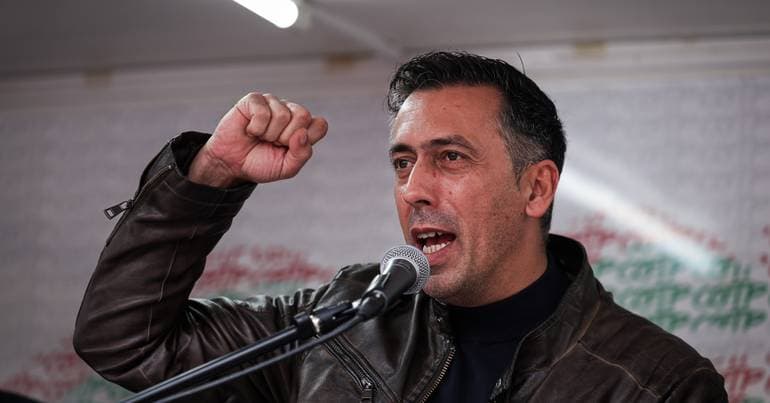
A delegation from the CGTP's executive committee delivered a petition with more than 190,000 signatures on Tuesday to the Prime Minister's official residence at São Bento to 'defeat this labour package'. 'The Government has already had every opportunity to open its eyes,' said the CGTP general secretary in remarks to journalists in Lisbon, after the ...

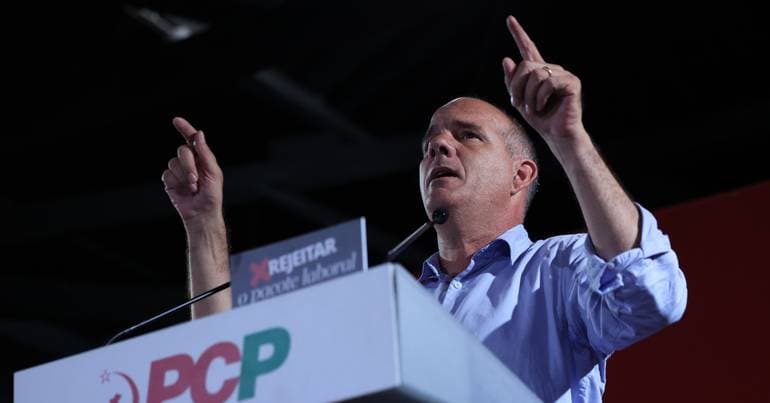
In response to statements by the Minister of Labour, the PCP's secretary-general said one must 'have a lot of nerve' and accused the Government of having withdrawn from the solutions for the labour reform.

The trade union centre has a demonstration scheduled for this afternoon.

The Minister of Labour said the Government 'will be here to listen'

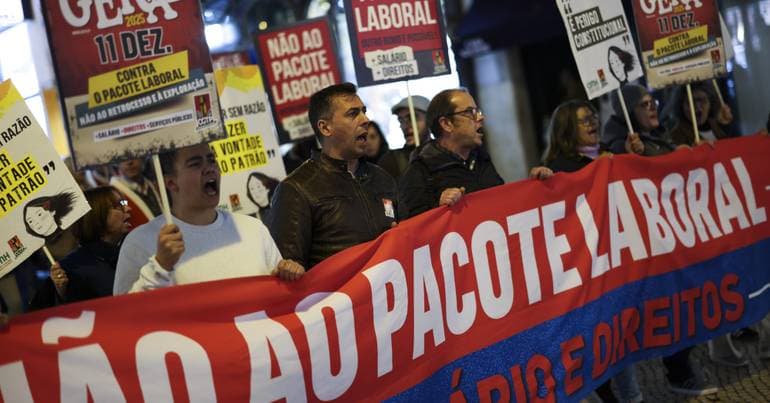
CGTP and UGT carried out a general strike on 11 December against the Government's proposal.

Tiago Oliveira says that Luís Montenegro is 'lying' when he claims the labour law reform paves the way for a €1,600 minimum wage, and hopes the prime minister will clarify this statement at this week’s meeting, at which the CGTP plans to submit thousands of signatures against the proposed changes to labour legislation.

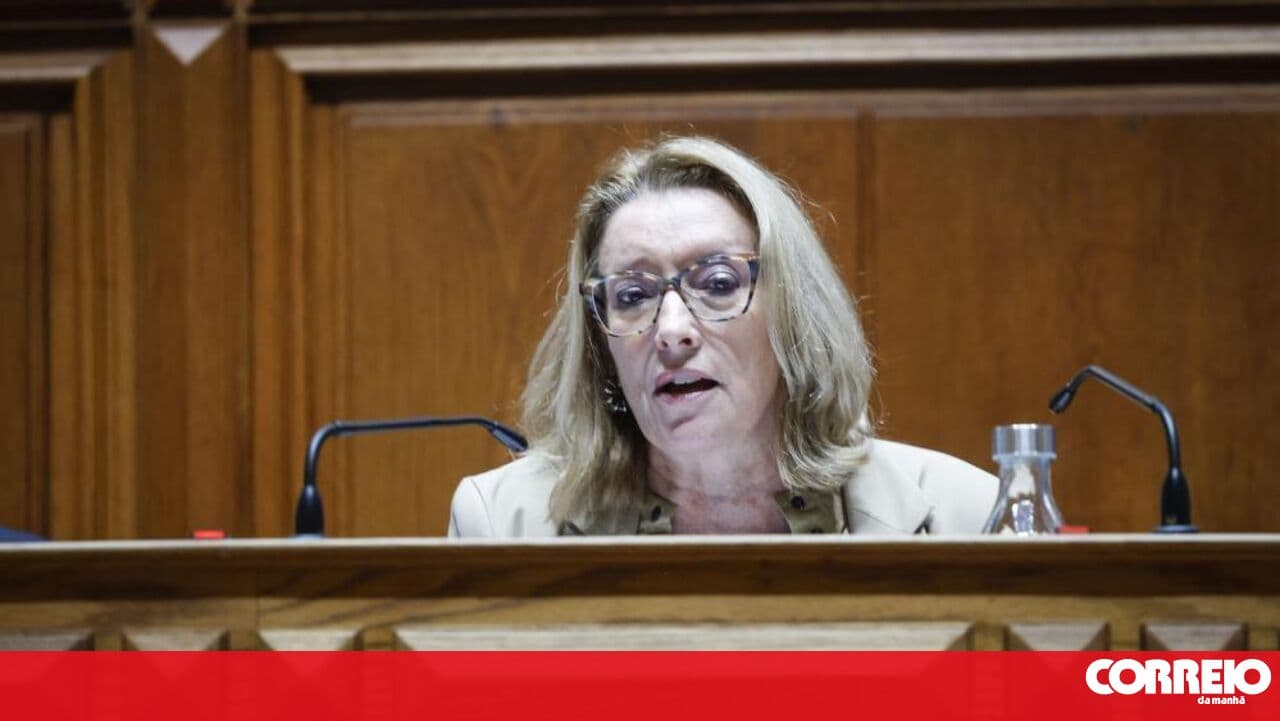
Maria de Fátima Carioca argues that Portugal needs a substantial overhaul of its labour legislation, saying flexibilisation of labour relations is unavoidable but must not undermine social protections. She warns the proposed new law is not a magic wand for boosting wages — structural reform is required alongside measures to safeguard workers. Her remarks come as the Government prepares a wide-ranging review of labour rules and the social safety net.

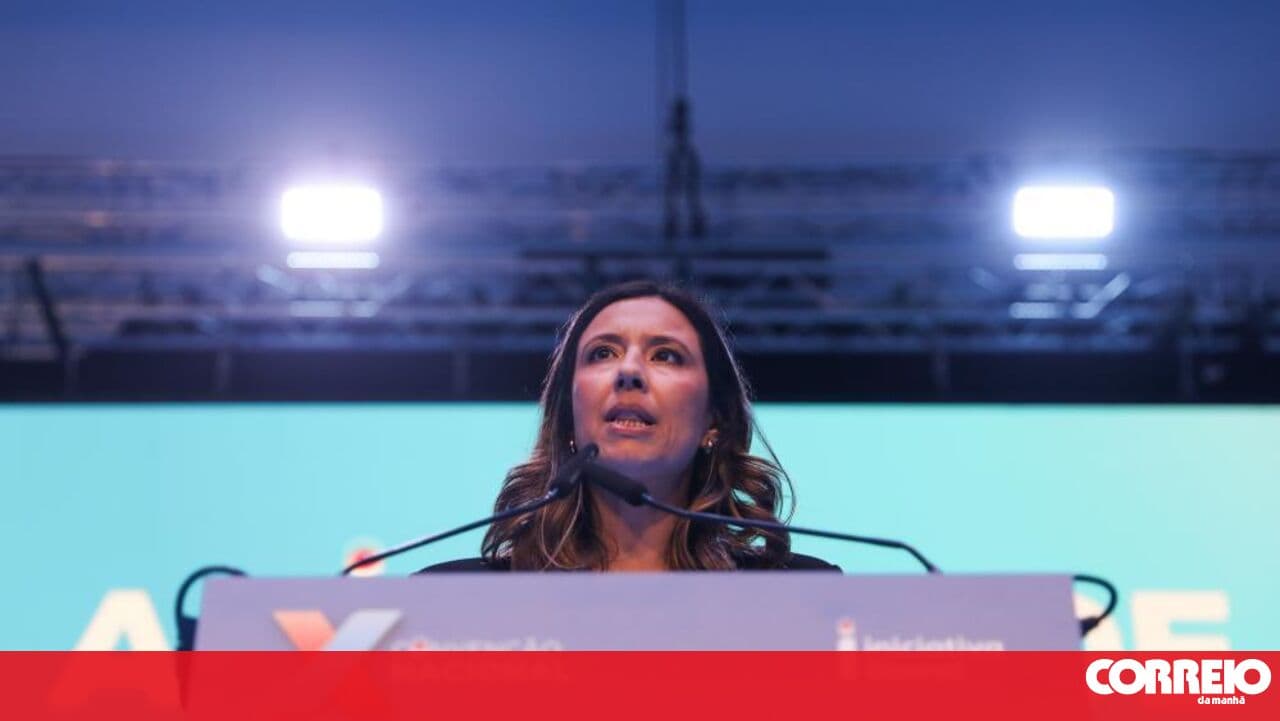
Mariana Mortágua said it is possible to build a parallel path between a more flexible labour market and “guaranteeing the protection of people”.

Zohran Mamdani was sworn in as New York City council president moments after midnight at the symbolic Old City Hall subway station. The unconventional timing and venue underscore a populist, reformist image and signal a break with ritualised civic spaces. Meanwhile in Portugal, opposition leader Luís Montenegro publicly defended a proposed labour reform as necessary to secure ‘decent wages’, framing it as a balance between worker protections and market flexibility. The two developments illustrate how political actors use symbolism and policy narratives to shape public perceptions: Mamdani’s inauguration emphasises accessibility and grassroots politics, while Montenegro’s defence seeks to pre-empt concerns about economic impact and social equity.

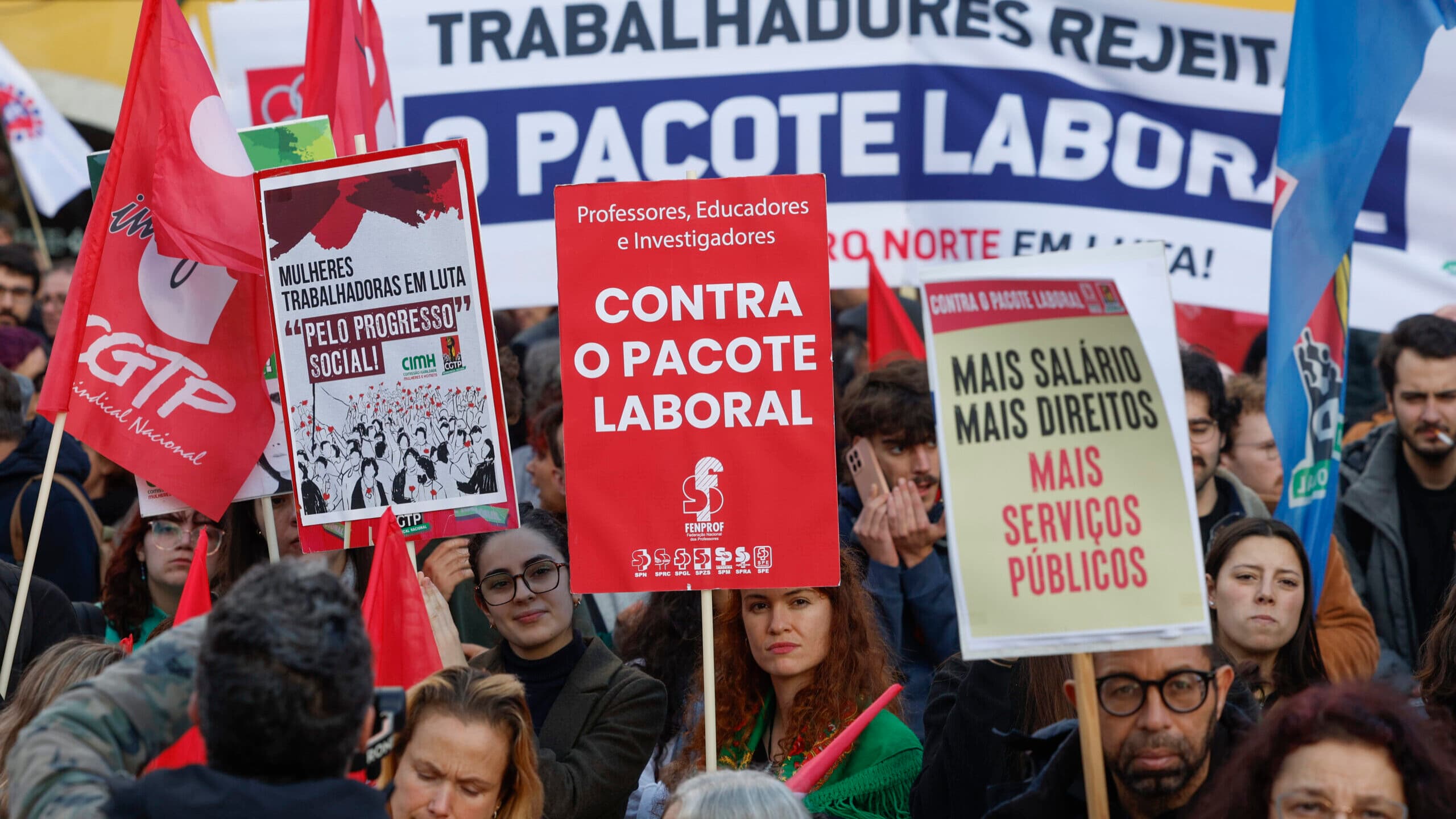
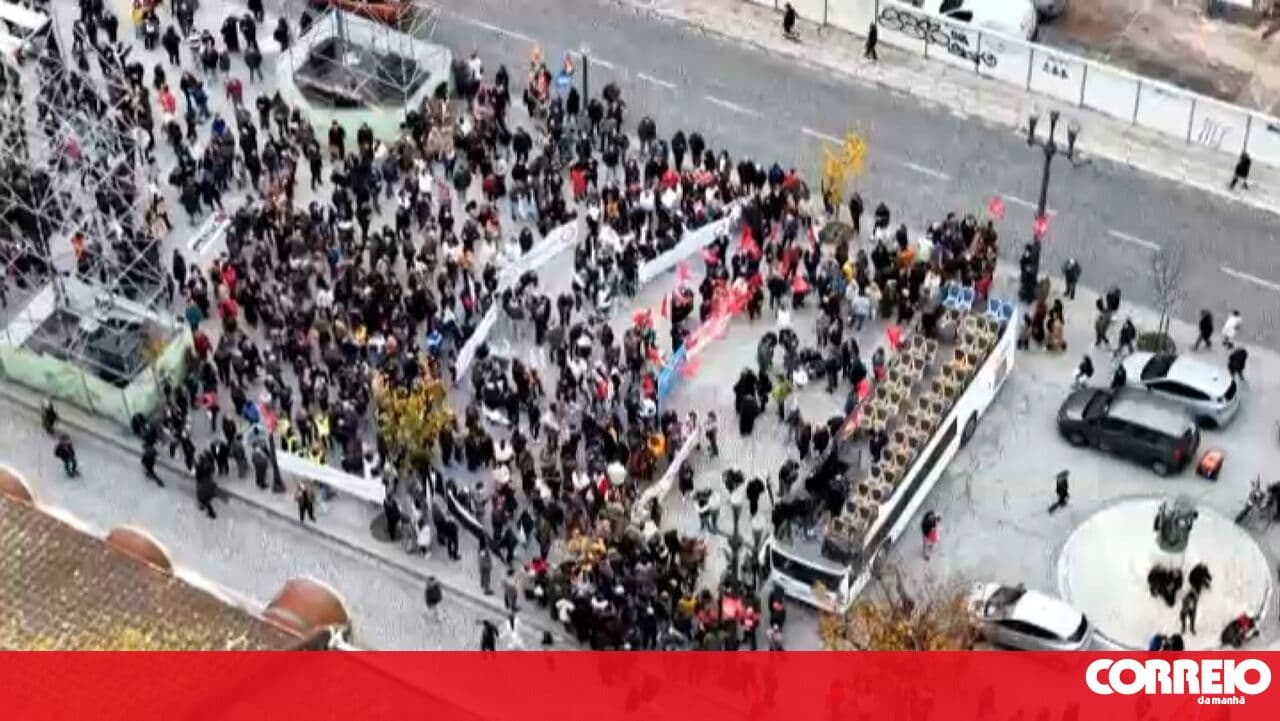
Tensions rise at the end of the protest against the labour reform that the government wants to implement. On a day of general strike, a war of numbers: CIP contradicts CGTP.

Many people are in Porto this Thursday to express their rejection of the labour package proposed by the Government.

In this news report, we cover the statements made by the General Secretary of the PCP and the leader of the BE during initiatives held during the strike. We will also go live to São João Hospital and Lisbon Airport.

The impact of the proposed labour changes on the weakening of a system that has, more or less generously, robustly ensured social protection for workers against the eventualities of their life cycle is significant and should not be ignored or removed from the discussion.
Among the more than 100 changes the Government wants to make to labour legislation, there are not only the most critical and media-covered measures — such as the extension of fixed-term contracts and the limitation of dismissal for breastfeeding — but also changes that have received less attention, particularly regarding remote work, ...

Twelve years after the protests against the troika and the legislative changes imposed by the authority, CGTP and UGT unite again in opposition. The general strike against the government's legislative package promises to halt the country this Thursday.

Opposition to the reintegration of workers, the expansion of minimum services during strikes, collective bargaining, and the simplification of layoffs are the changes in the government's labour reform that raise questions about their constitutionality among labour law experts.

A Labour and Social Security Law expert points out that the “most controversial” change relates to the opposition to the reintegration of workers dismissed unlawfully.

The general strike on Thursday, December 11, aims to halt the government's labour package. Among the various proposed changes, there are six that both the CGTP and UGT consider red lines.

Portugal does need a labour reform, yes. But modernising does not mean reverting to the past disguised as the future.

Alongside a hundred demonstrators, the coordinator of the Lisbon Unions argued that the draft labour reform will deepen “precariousness, unemployment, and low wages.”

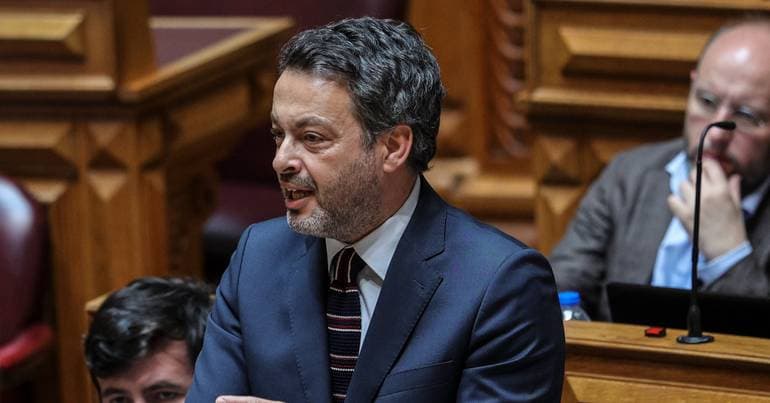
The PS deputy accuses the Government of applying a recipe “very similar to that of the troika” and of implementing a labour reform that is “a thing of the past”. Along the way, he asks Montenegro to “apologise to the UGT”.

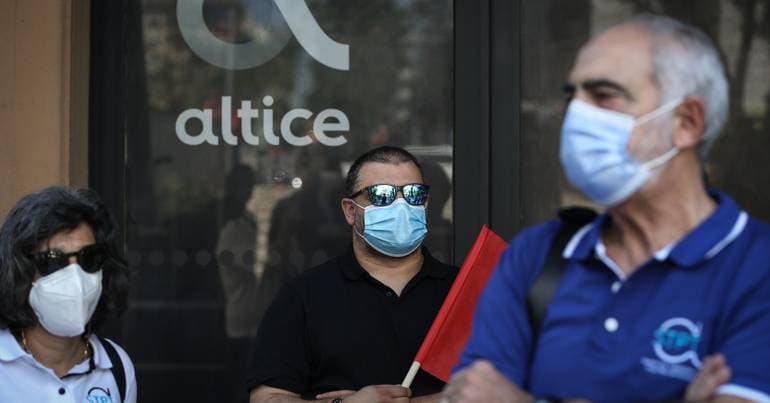
In a letter sent to the Government, the Altice Group Workers' Union states that the labour reform is “one of the greatest attacks on workers' rights since April 25th”.

The motion, unanimously approved, aims to extend the fight to defend workers' interests, who speak of a “perpetuation of precariousness” with the new labour package.

The president of the Confederation of Tourism of Portugal (CTP) stated today in Macau that the labour reform should be constructed with consensus, transparency, and balance, reiterating criticism of the general strike which he describes as “untimely and disproportionate.”