Violence associated with professional football in Portugal has seen a significant decline during the first half of the season, with a 37% drop in incidents compared to the previous year. However, police authorities are concerned about the emergence of the “casual” movement—organised groups of fans who avoid traditional club affiliation to focus on pre-arranged physical confrontations. While pyrotechnics and direct assaults have decreased, officials note that violence is becoming more unpredictable and spreading to other sports like futsal and handball, necessitating enhanced surveillance and international cooperation ahead of the 2030 World Cup.
Over the last five years, drug seizures in Portugal have been on an upward trend, particularly cocaine. The number of seizures of this narcotic rose by 20.6% in 2025, and the volume of seized drugs increased by 11.4% compared to 2024, reaching a total of 25.6 tonnes. Authorities acknowledge that this brings challenges related to violent crime in the country, but state they are “proactive” in this fight. Officials from the PJ, PSP, and GNR highlighted the importance of information sharing and daily efforts to ensure public safety, while also noting concerns regarding the emergence of increasingly potent and dangerous synthetic drugs.
The Ministry of Internal Administration believes these devices are an “effective alternative between verbal deterrence and the excessive use of lethal force,” such as firearms, for example.
While cocaine was the drug seized in the largest quantity by the PJ, the highest number of seizures involved cannabis. There was a decrease in the amount of heroin seized, but an increase in ecstasy.
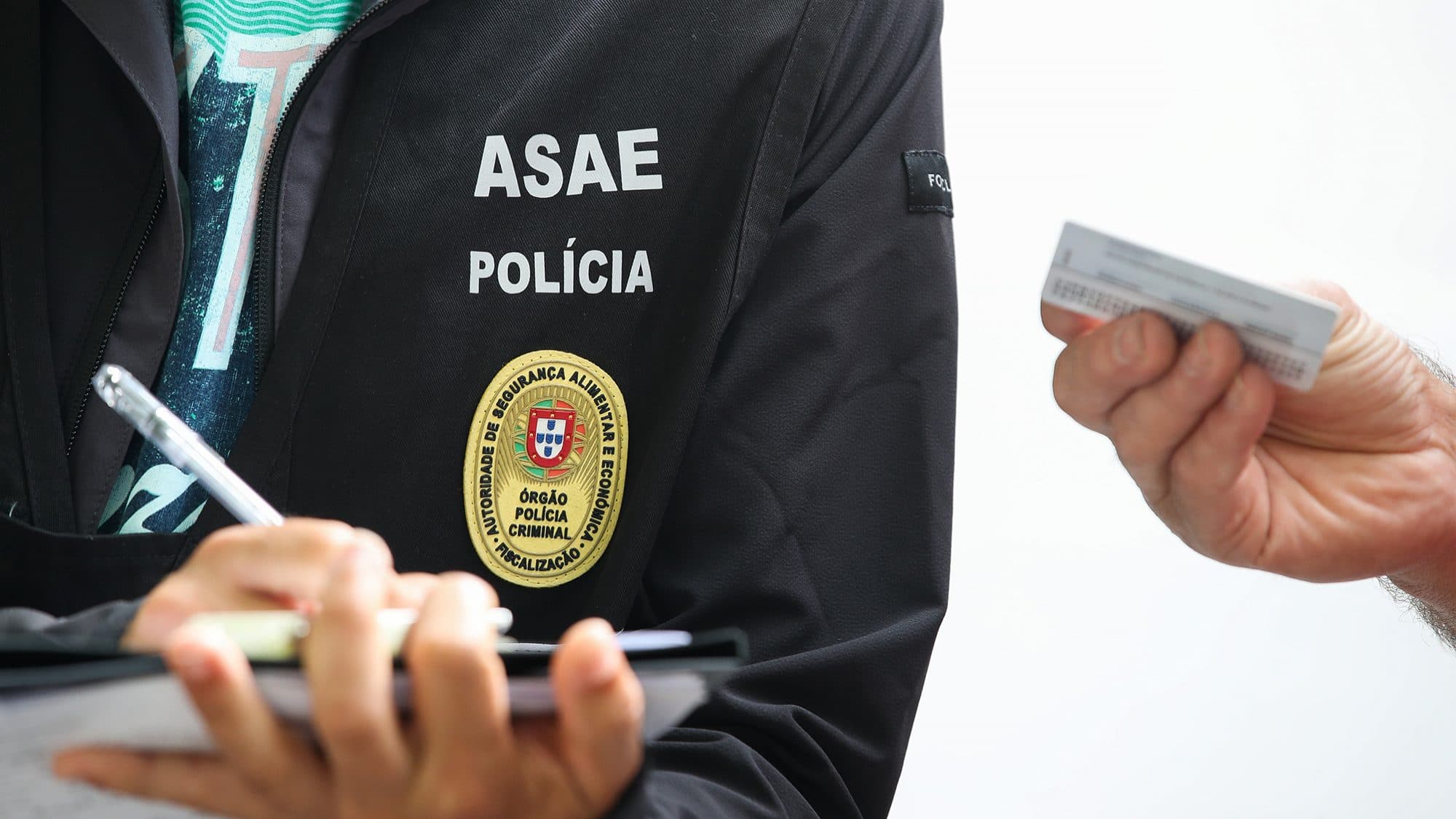
The operation mobilised resources from the GNR, PSP, PJ, Maritime Police, ASAE, Tax Authority, Authority for Working Conditions, and the Agency for Integration, Migration and Asylum.
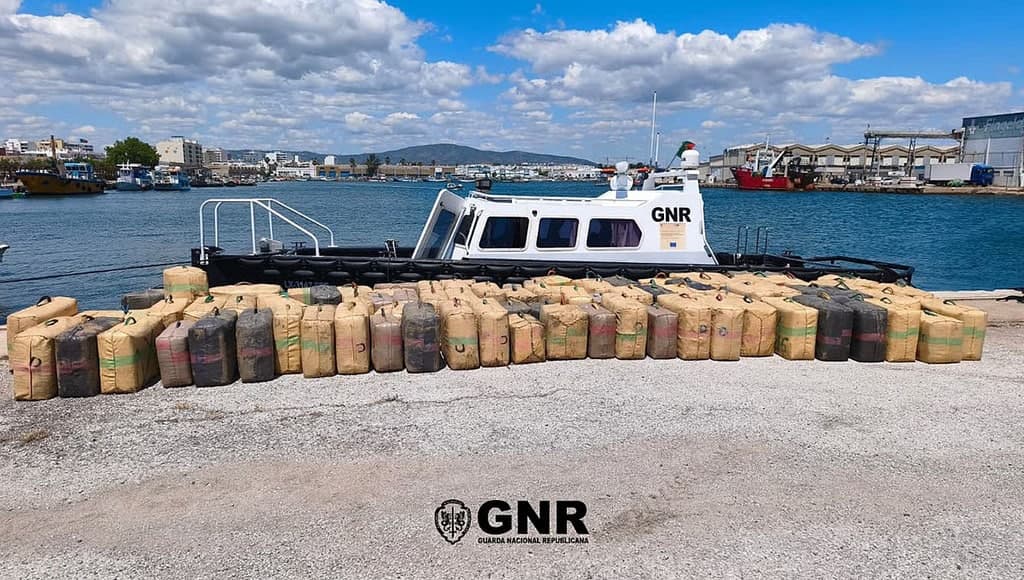
Annual report on combating drug trafficking aggregates seizures from all Portuguese authorities. The amount of cannabis (hashish) seized has more than doubled.
Nine police officers in Portugal have been detained as part of an expanding investigation into abuse allegations. The probe is examining misconduct within the police force, highlighting concerns over abuse and misconduct by law enforcement officials. Further details about the specific allegations or the context of the investigation are not provided in the summary.
The article reports that over 130 individuals were detained during the first operation of the year under Portugal's ‘Portugal Sempre Seguro’ initiative, aimed at enhancing public safety. The operation signifies ongoing efforts by authorities to maintain security and order across the country.
83 people were arrested for road traffic offences and 19 for drug-related crimes. Authorities also reported the seizure of five firearms, 35 vehicles and motorcycles, and €10,000 in cash.
The European Commission has given Portugal two months to fully transpose a directive regarding the exchange of information between law enforcement authorities of member states, described as essential for combating cross-border crime. As part of the March infringement package announced today, the European Commission stated it has issued a reasoned opinion to Portugal, France, and others.
The Public Security Police (PSP) reported that last year they seized over 6,470 kg of drugs and arrested 2,949 suspects for trafficking, primarily in Lisbon, Porto, and Setúbal. Overall, drug seizures increased by approximately 15.2% compared to 2024. Of the 5,961 individuals identified for drug trafficking, 2,949 were arrested, with the majority being men over 21. Cannabis, cocaine, heroin, and ecstasy were the most seized substances, with cannabis seeing a 365% increase in volume, while cocaine and heroin seizures decreased by 38% and 40% respectively. Most heroin, cocaine, and ecstasy entered the country by land, whereas 88.41% of seized cannabis arrived by sea.
Seven PSP officers from the Rato station were arrested on March 4th on suspicion of several crimes, including severe torture, consummated and attempted rape, and abuse of power.
The Public Security Police (PSP) seized more than eight tonnes (8,650 kg) of ammonium nitrate due to the storage of nitrates in quantities exceeding the permitted limit without the required licence issued by the PSP, and for storing restricted explosive precursors outside of restricted areas inaccessible to the public, as part of Operation 'Explosives Precursors'. According to a statement sent by the PSP to newsrooms, the operation was carried out between 2 and 6 March, within the scope of its exclusive and specific duties regarding the licensing, control, and inspection of the manufacture, storage, marketing, use, and transport of weapons, ammunition, explosive products, hazardous materials, and explosive precursors. 154 inspection actions were carried out on economic operators who provide explosive precursors and professional users to prevent criminal offences associated with this activity. The operation is linked to the European Day of Remembrance for Victims of Terrorism (established by the European Union), marked annually on 11 March following the terrorist attacks carried out with explosives at Atocha station in Madrid on 11 March 2004, which resulted in 193 deaths and around 2,000 injuries. Of the more than 150 inspection actions, 34 administrative offence notices were issued for various reasons, including 21 for lack of records or irregular registration of transactions, acquisitions, or manufacturing; eight for irregular storage; two for non-compliance with technical standards defined for the activity; and three for making restricted explosive precursors available to private individuals.
This article reports on the arrest of seven Portuguese PSP agents suspected of serious crimes, including torture, abuse of power, and illegal detention, linked to incidents at the Rato police station in Lisbon. The suspects are in preventive detention while investigations continue, which have also implicated two other officers previously detained. The case has raised concerns about police misconduct, with allegations of violence against vulnerable populations and sharing of incriminating material among officers. The Minister of Internal Administration emphasized that most PSP officers serve with integrity and that any misconduct will be thoroughly investigated, highlighting the importance of maintaining public trust and accountability within law enforcement.