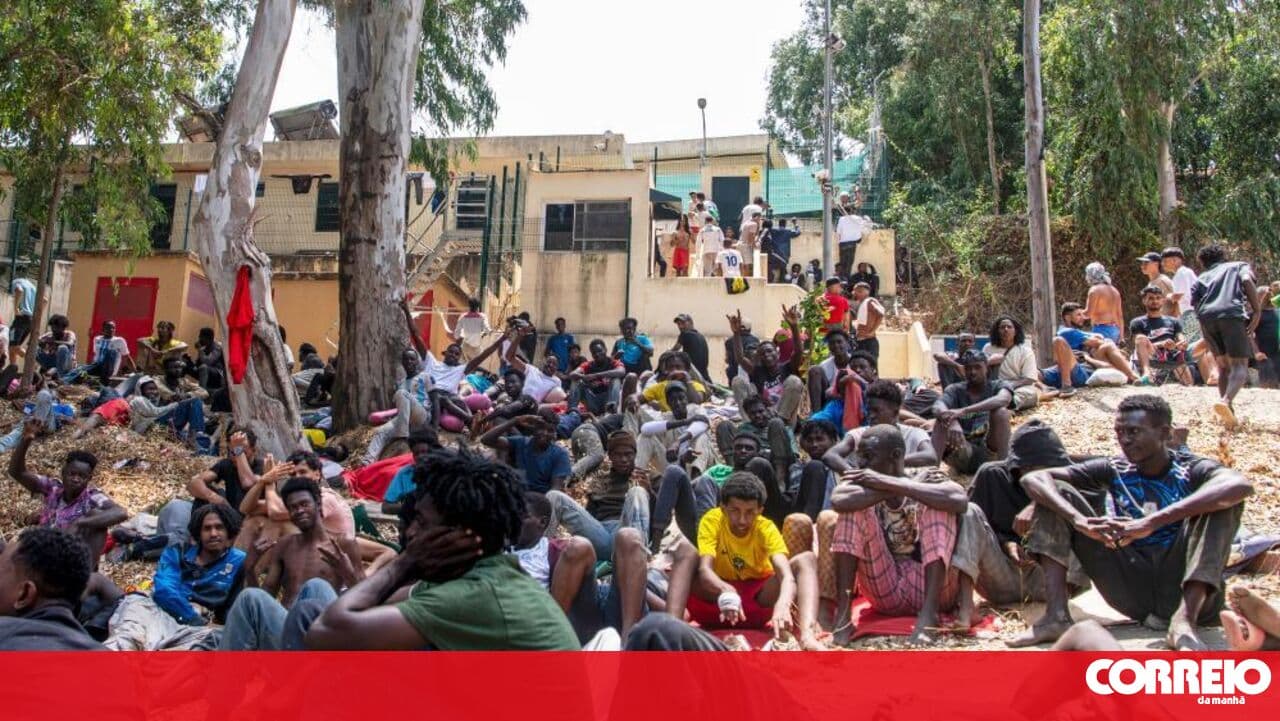
European institutions have reached a provisional agreement to toughen migration policy, including measures to accelerate deportations and the potential use of hubs in third countries for failed asylum seekers. These reforms, which complement the broader European Pact on Migration and Asylum (Pacto Europeu de Migração e Asilo) taking effect June 12, aim to increase control over the bloc's external borders.
The European Pact on Migration and Asylum (Pacto Europeu sobre Migração e Asilo) is a set of EU regulations designed to standardize how member states manage border security, asylum applications, and the relocation of migrants. It aims to create a more uniform process across the bloc, ensuring that countries share responsibility for processing arrivals and handling returns of individuals who do not qualify for asylum.
The European Commission has extended temporary protection for Ukrainians until March 2028, though the proposal faces criticism regarding the potential exclusion of military-age men and calls for universal access to international protection.
The European Union has finalized and is preparing to implement a comprehensive set of new migration regulations following years of legislative negotiations.
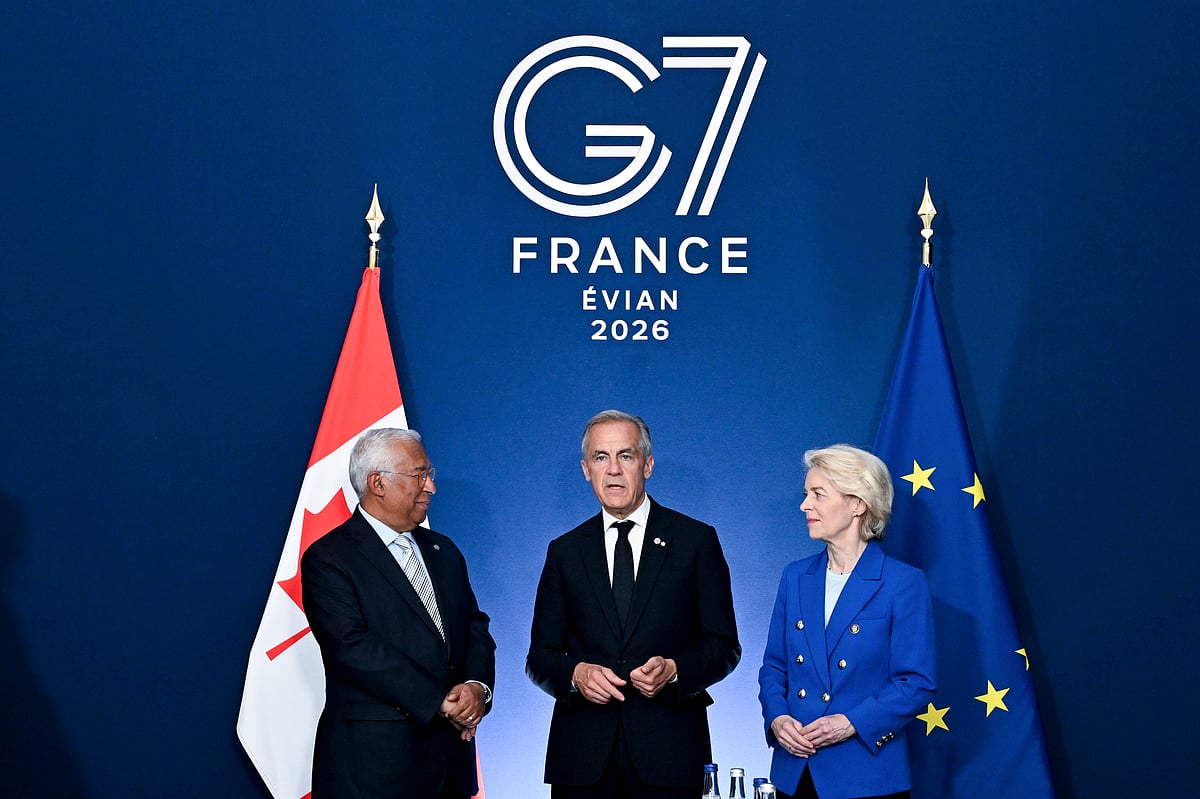
It is a 'tectonic shift', a Canadian official told the Wall Street Journal regarding Canada's move towards the European Union at the expense of the United States. According to the New York newspaper's Sunday edition, Ottawa and Brussels are exploring ways to make the North American country an 'associate member' of the EU. Prime Minister Mark Carney is set to visit the European Parliament in Strasbourg this Wednesday to attend Ursula von der Leyen's State of the Union address and deliver a speech of his own. Sources cited by the WSJ indicate that Carney has been in regular contact with EU leaders, including Emmanuel Macron, Friedrich Merz, Giorgia Meloni, and Scandinavian counterparts, to discuss closer ties. Discussions have reportedly included visa-free work and residency for Canadians in the EU, as well as broader proposals for the free movement of goods, services, and workers in strategic sectors. Both parties are also considering joint infrastructure projects, such as submarine cables, data centres, and satellite networks, alongside partnerships in defence, education, and the supply of Canadian energy, minerals, and fertilisers. A Canadian source described the shift as a consequence of deteriorating relations with the US since 2025, stating that Canada is transitioning from viewing itself as a North American nation to a transatlantic one.
Employment, family, and education were the primary reasons for the issuance of new permits. Brazilian citizens rank fourth in European residence permits, following Indians, Moroccans, and Ukrainians.
The European Union received 332,000 asylum applications, a figure only seen if one looks back to 2021. The drop in the number of applications continues the trend observed since the end of 2024.
Between January and June, the 30 EU+ countries (the 27 member states, Iceland, Liechtenstein, Norway, and Switzerland) received 332,000 asylum applications.
The European Union, Meta, and TikTok have agreed to create a new channel to detect and reduce the impact of disinformation regarding the migration crisis in Ceuta. The mechanism allows for faster cooperation between the European Commission, tech platforms, and fact-checkers to flag and potentially remove false content. This follows reports that viral misinformation, including claims of mass entry, fueled recent surges at the border, with officials noting potential links to Russian-affiliated channels. Former Commissioner Thierry Breton described the events as the first large-scale 'algorithmic hybrid attack' against the EU.
The statement issued following the informal meeting of European Union Interior Ministers regarding the situation in Ceuta makes no criticism of the Spanish laws governing immigration in the country, unlike a previous statement in which 22 countries made a direct link between the legalisation of thousands of people in Spain and the arrival of these 70,000 people.
European Union (EU) interior ministers agreed today on the need to strengthen borders and 'return mechanisms' for migrants, following a videoconference meeting dedicated to the crisis at the Ceuta border. In a statement released at the end of the meeting, the Council of the EU noted that the ministers exchanged 'views'...
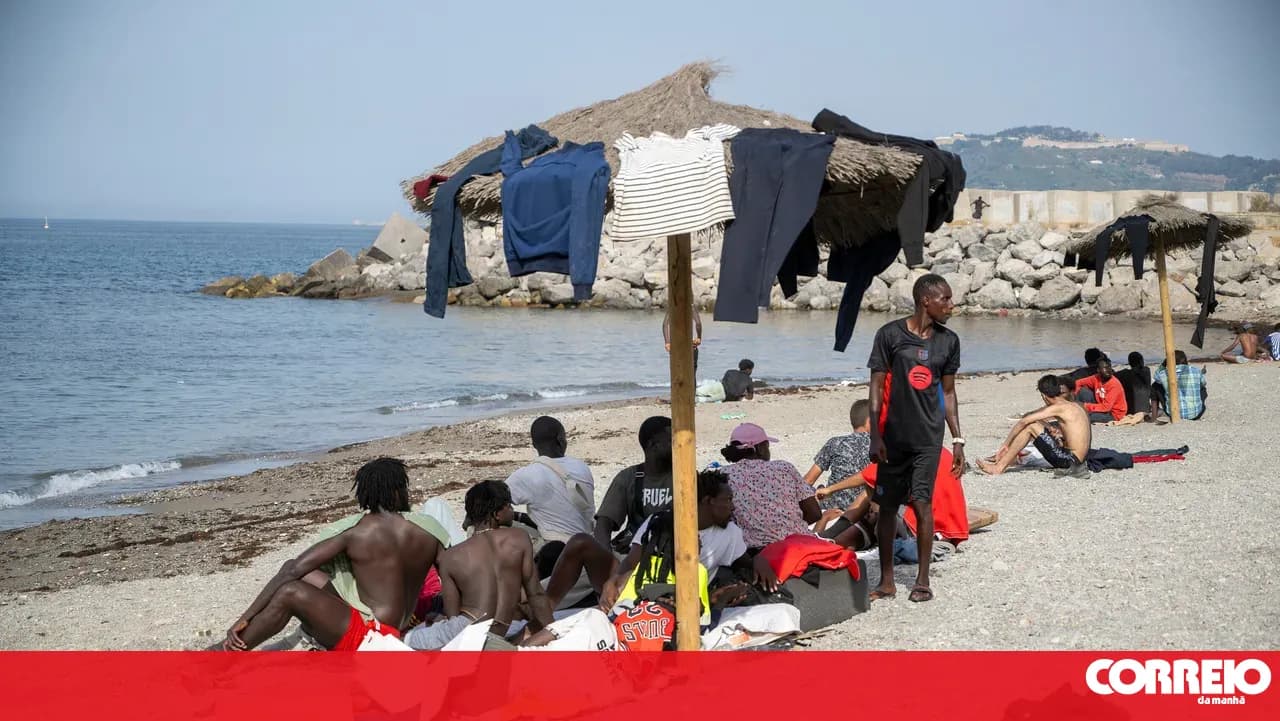
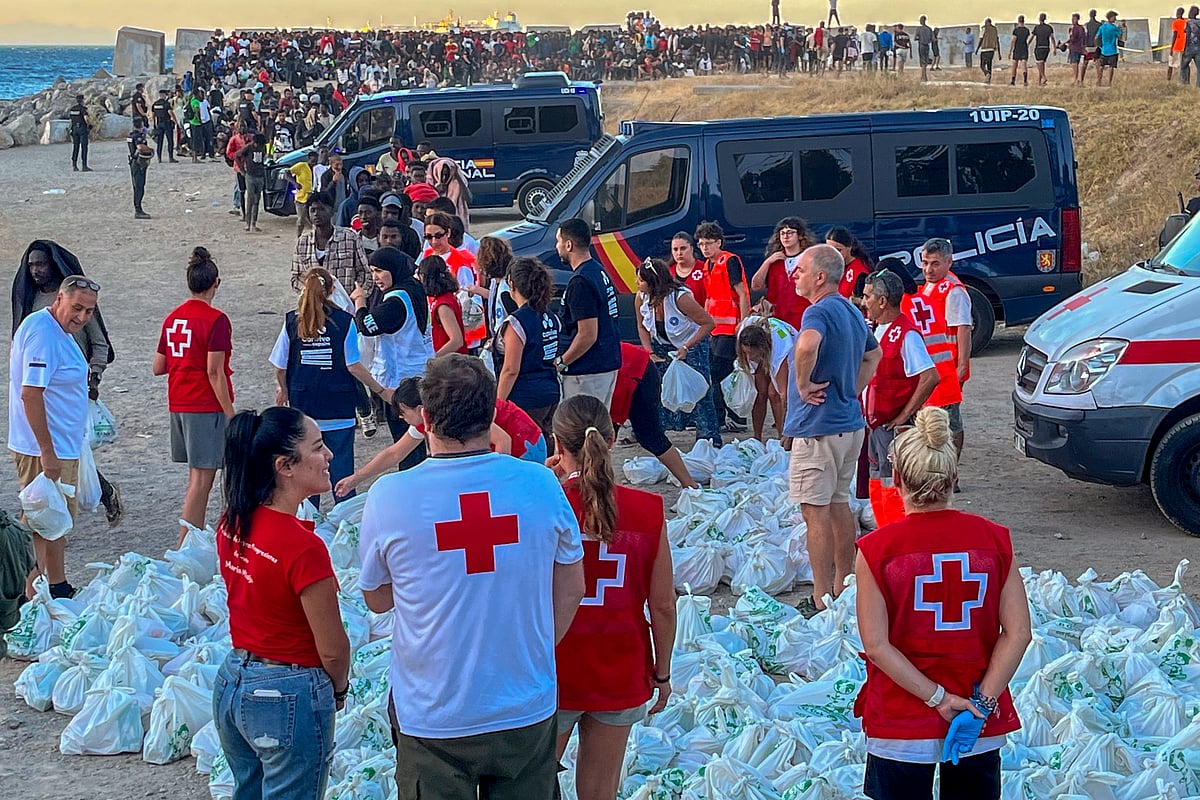
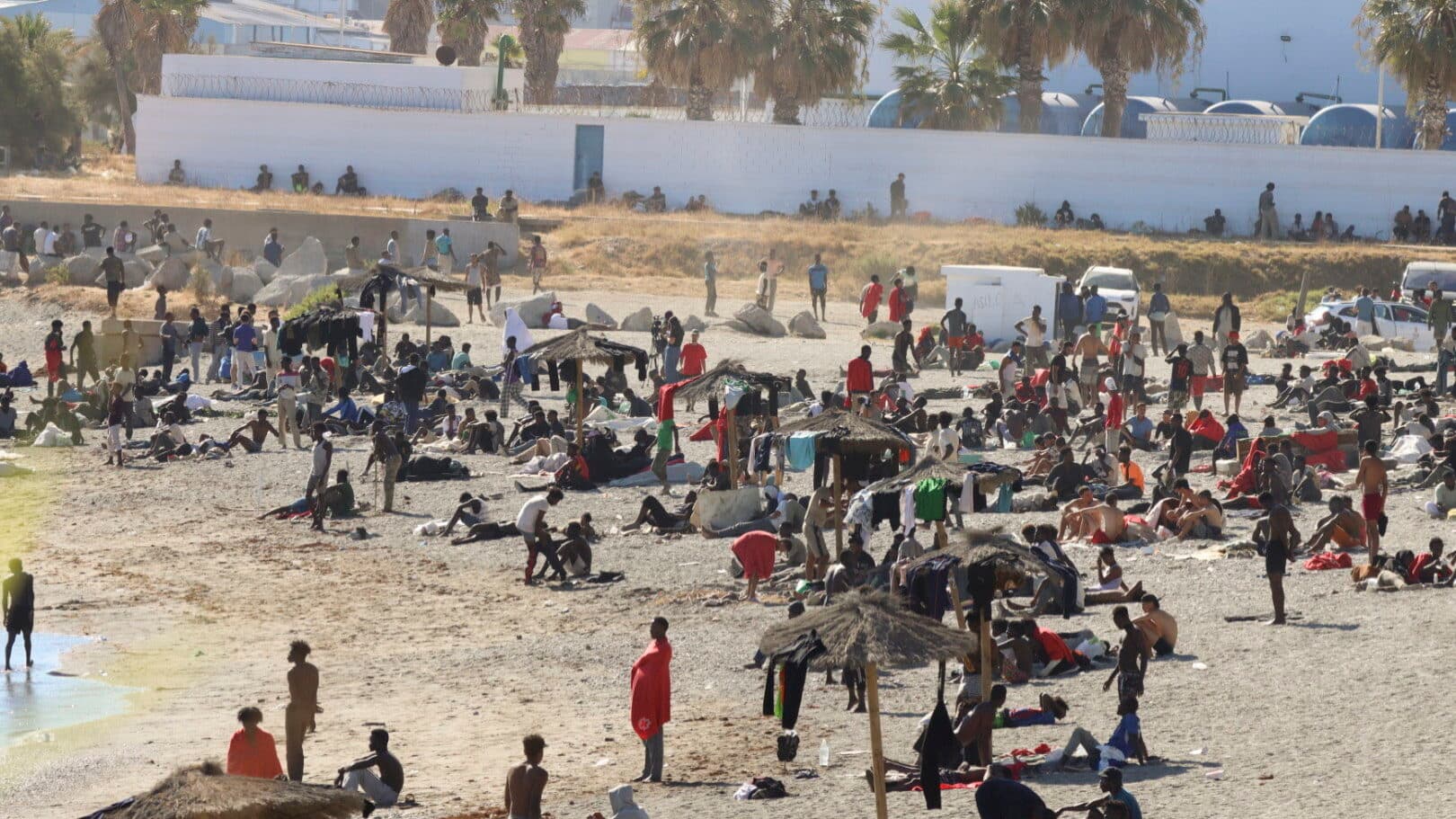
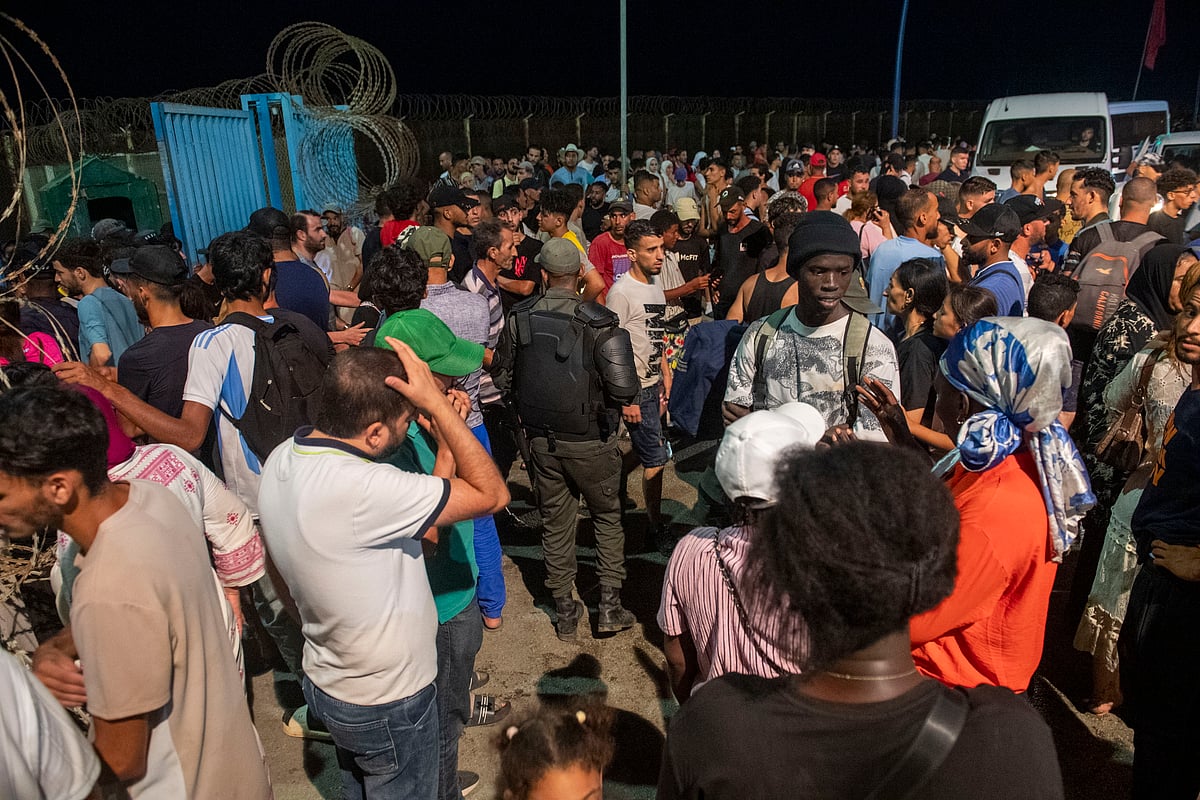
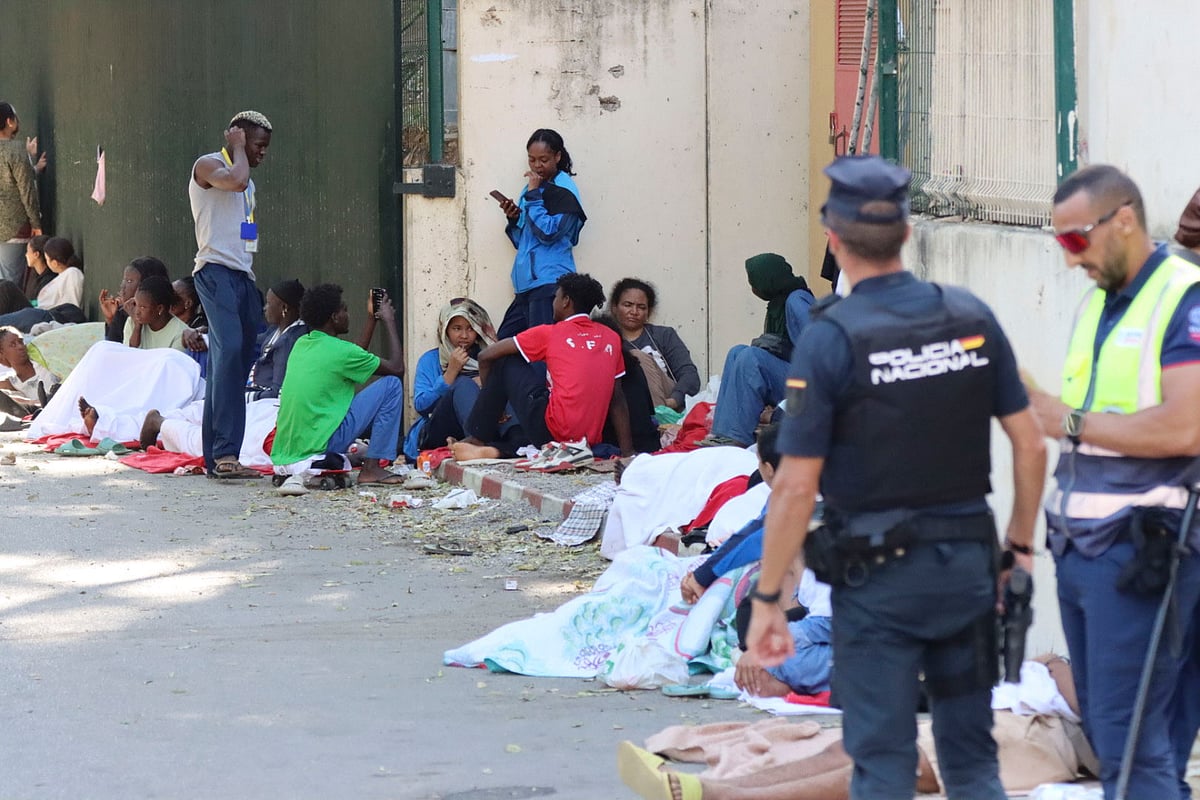
1) What triggered the crisis? Between 30 July and 1 August, approximately 50,000 to 60,000 people attempted to enter Ceuta, mostly by swimming or bypassing border barriers with Morocco. The crossing resulted in about 90 deaths, according to the latest data from Spanish authorities. 2) Why now? Analysts from the ECFR, the Elcano Royal Institute, and various commentators agree that the surge was only possible because Morocco temporarily reduced border surveillance in Castillejos/Fnideq, as such large-scale flows do not occur without operational changes by Moroccan security forces. This is interpreted as a political signal to Madrid and Brussels, alongside structural migration pressure in North Africa and deteriorating socio-economic conditions in Moroccan coastal regions. 3) What is the humanitarian scale? Between 3,000 and 5,000 people remain in Ceuta, many on guarded beaches and in overwhelmed reception centres. There are at least 862 unaccompanied minors who cannot be deported. 4) How did Spain react? Madrid reinforced police and military presence, installed a floating maritime barrier, and quickly returned most migrants to Morocco, claiming to have 'stabilised' the situation. 5) How did the EU react? The EU called an emergency meeting of Interior Ministers. 22 countries requested a reinforcement of Frontex and a review of cooperation with Morocco; Spain, France, Luxembourg, Portugal, and Ireland did not sign the letter. 6) Why did the crisis divide the EU? The mass arrival reignited tensions over external border management, shared responsibility among member states, and externalisation models. Experts note that Spain was politically isolated at the meeting. 7) Which countries adopted tougher positions? Italy suspended Schengen with Spain for a month and advocated for temporarily excluding Madrid from the free-movement area. France reinforced border controls, and Sweden criticised the Spanish management. 8) What is Morocco's role? Morocco is central, as it controls the border and has the capacity to stop or allow flows. The EU is discussing reviewing cooperation with Rabat, including surveillance and return agreements. 9) How is the crisis being politically instrumentalised? Right-wing and far-right parties in Europe and the US are using Ceuta to reinforce anti-immigration rhetoric. In Spain, the PP and Vox are attacking Pedro Sánchez, while leaders like Trump, Meloni, and Farage are amplifying the narrative of 'chaos' and 'threat'. 10) What might happen next? Experts anticipate three fronts: European hardening of external borders (Frontex, physical barriers), diplomatic pressure on Morocco, and an internal EU debate on models for processing migrants outside European territory.
EU interior ministers expressed solidarity with Spain following the migration crisis in Ceuta, emphasizing the need for a unified European response to border management and human trafficking. While most migrants have returned to Morocco, the incident has highlighted tensions regarding Schengen border controls and the need for improved information sharing and crisis coordination among member states.
Home News European Union Ministers agree on strengthening borders and return mechanisms European Union Ministers agree on strengthening borders and return mechanisms European Union ( EU) interior ministers agreed on 4 August that it is necessary to strengthen borders and “return mechanisms” for m
CNN Portugal commentator Francisco Pereira Coutinho analyses what he classifies as an authentic “tragedy”, noting that “there was clearly an instrumentalization of Morocco's most vulnerable population by the Moroccan state”. Historian José Miguel Sardica joins the debate, admitting that “it is not impossible that this was a test to experiment with the robustness of the European Union's migration policy in general”.
Jorge Silva Carvalho, an expert in intelligence and defence affairs, states that the invasion of thousands of Moroccan migrants into the Spanish exclave is part of a “geostrategic conflict” between Spain and Morocco.
The number of irregular entries into the EU decreased by 37% in the first half of 2026 compared to the same period last year, the European Border and Coast Guard Agency (Frontex) announced on Friday. The number of irregular border crossings at the European Union's external borders continued to decline in the first six months of 2026, with...
The article discusses a controversial meeting in Brussels between European Commission representatives and an Afghan government delegation regarding the deportation of Afghan refugees. The author argues that engaging with the Taliban regime, which is accused of gender apartheid and severe human rights abuses, contradicts the EU's foundational values. Additionally, the author includes a note criticizing the current chaos surrounding national exams in Portugal, attributing it to the systematic dismantling of the Ministry of Education's services.