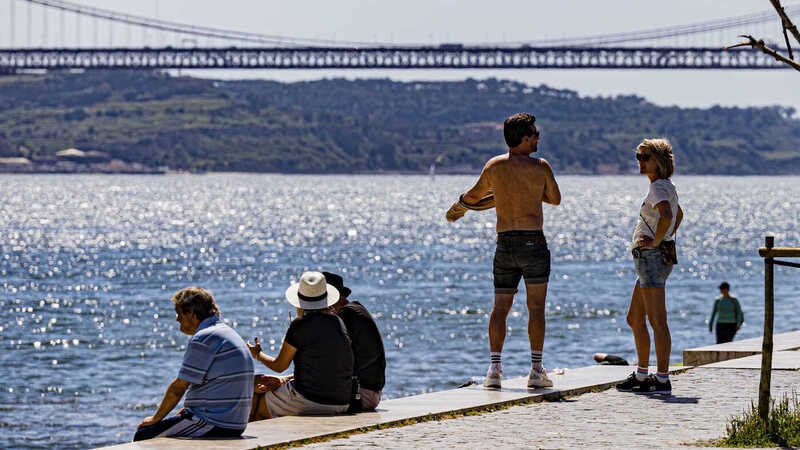
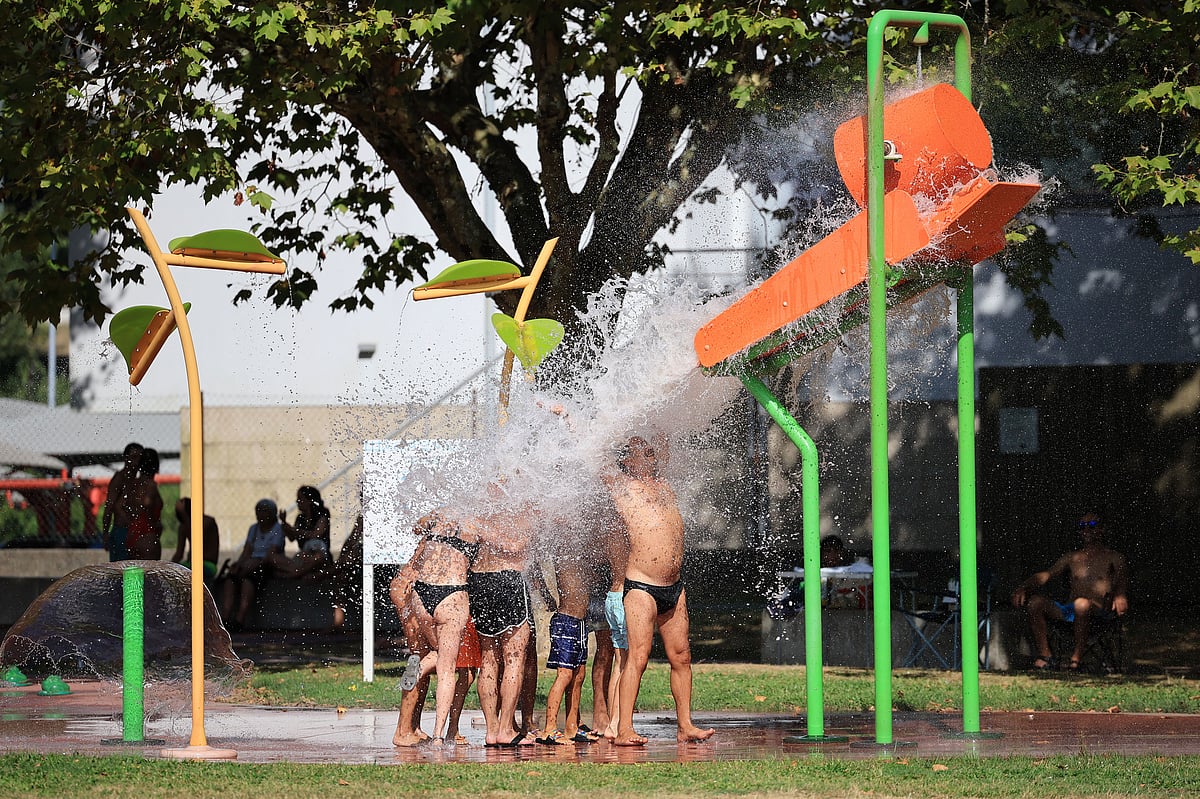
Heatwave approaching: temperatures of 31 degrees expected in Lisbon and 33 in Santarém
Heatwave extends to Braga and Coimbra between Sunday and Monday

Latest news and stories about heatwave in Portugal for expats and residents.
Heatwave extends to Braga and Coimbra between Sunday and Monday

Portugal will be affected by a tropical air mass coming from the interior of the Iberian Peninsula, in conjunction with the anticyclone located north of the Azores.

The heat is back. Maximum temperatures of 30°C are forecast for this Friday and the weekend in districts such as Beja, Évora, and Santarém, placing mainland Portugal and the Madeira archipelago at high risk of ultraviolet (UV) radiation exposure. According to the Portuguese Institute for Sea and Atmosphere (IPMA), the Madeira archipelago and the districts of Viseu, Guarda, Castelo Branco, Lisbon, Santarém, Portalegre, Setúbal, Évora, Beja, and Faro are at very high risk levels, while Viana do Castelo, Braga, Porto, Vila Real, Bragança, Aveiro, Coimbra, and Leiria are at high risk. While Beja (Friday), Santarém, and Évora (both on Saturday) are expected to reach 30°C, maximum temperatures in Lisbon, Braga, Bragança, Castelo Branco, Portalegre, Coimbra, Viseu, Setúbal, Vila Real, and Leiria are expected to range between 25°C and 28°C over the weekend. The UV radiation scale has five levels, ranging from extreme to low risk. For regions at extreme risk, the IPMA recommends avoiding sun exposure as much as possible. For regions with very high risk, the institute advises the use of UV-filtered sunglasses, a hat, a t-shirt, a parasol, and sunscreen, and recommends avoiding sun exposure for children. For regions at high risk, the IPMA recommends the use of UV-filtered sunglasses, a hat, a t-shirt, and sunscreen.

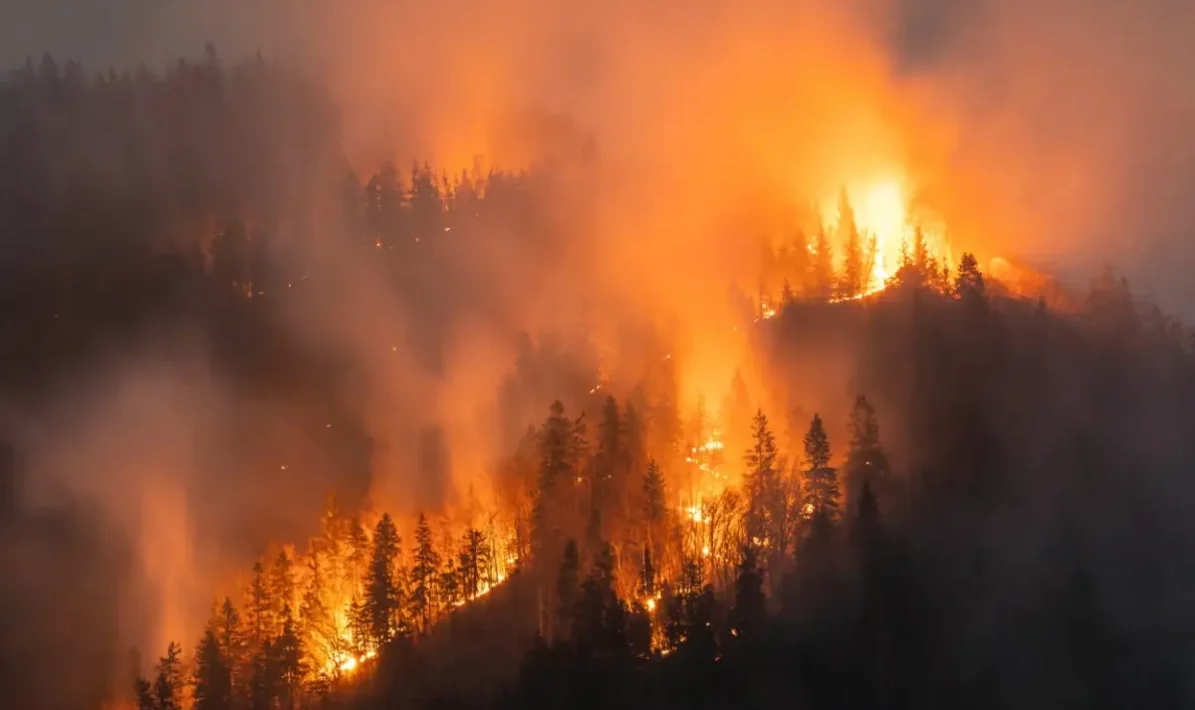
Portugal is experiencing a severe heatwave with temperatures reaching up to 42°C (107.6°F), prompting high alert across two-thirds of the country. The national meteorological service has issued warnings of extreme fire danger, especially in the capital Lisbon and other regions. Authorities have heightened preparedness measures, including warnings for the public to stay hydrated, avoid sun exposure, and monitor vulnerable populations. The heatwave is part of a broader regional trend affecting Southern Europe, increasing the risk of wildfires and health emergencies.

The increase in pollution from fossil fuels has substantially exacerbated climate change and made last year one of the warmest since records began.