

Robotic surgery debuts at ULS Médio Tejo
The director of ULS Médio Tejo states that it is 'a technology that significantly improves surgical precision.' He also added that training for more professionals is planned.
Observador

Latest news and stories about healthcare innovation in Portugal for expats and residents.
The director of ULS Médio Tejo states that it is 'a technology that significantly improves surgical precision.' He also added that training for more professionals is planned.
A group of researchers from the Faculty of Medicine of the University of Porto (FMUP) is developing a non-invasive method to identify patients at higher risk of cognitive deficit following a stroke, it was announced today.
The article discusses the impact of Artificial Intelligence (AI) on medicine, highlighting ongoing debates at FMUP (Faculty of Medicine of the University of Porto). It explores how AI technologies are transforming healthcare practices, improving diagnostics, personalized treatments, and operational efficiency. The discussion emphasizes both the potential benefits and ethical considerations associated with integrating AI into medical fields in Portugal. Overall, the article underscores the importance of responsible AI adoption to enhance medical outcomes while addressing challenges related to data privacy and decision-making transparency.

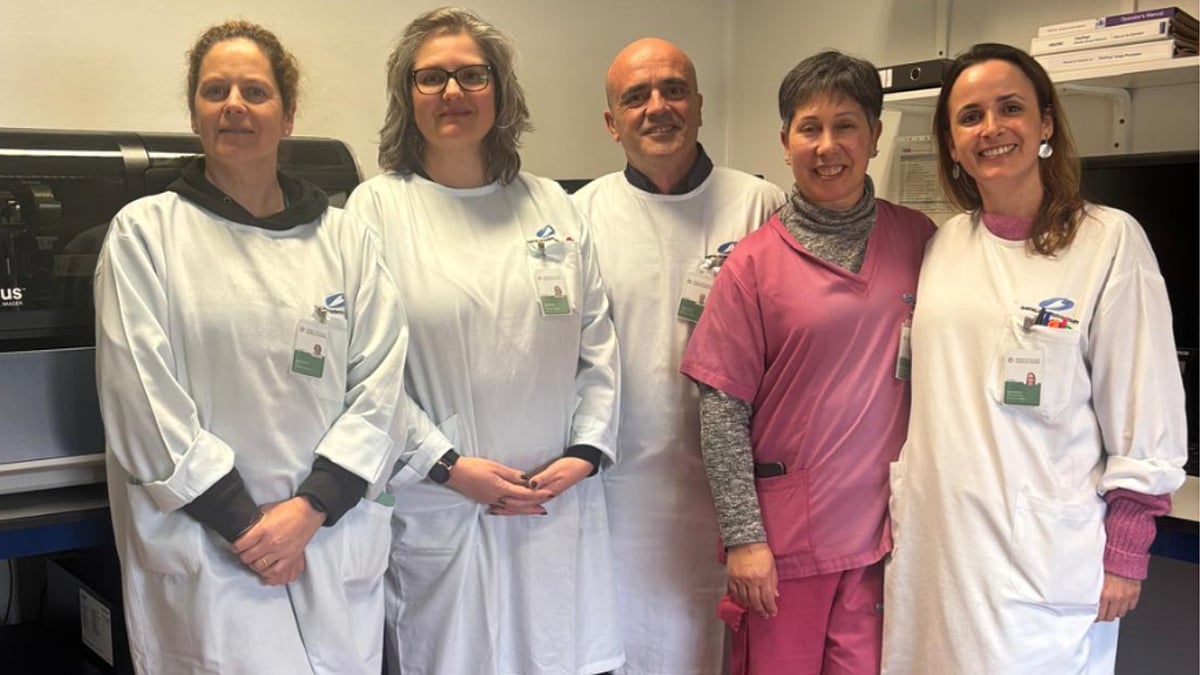
A system using Artificial Intelligence (AI) to enhance the accuracy of cervical cancer screening has been implemented at Évora Hospital, making it the first national public institution to adopt this method. In a statement released on March 6, the Central Alentejo Local Health Unit (ULSAC), which manages the hospital, announced it has become the “first public institution in the country” to implement this system, called Genius Digital Imager. This digital system for gynecological cytology combines AI algorithms with high-resolution image analysis, aiming to identify precancerous and cancerous lesions of the cervix with unprecedented efficacy. Carlos Quintana, the director of the Pathological Anatomy Service at ULSAC, emphasized that the introduction of this technology at Évora Hospital marks a significant advancement in healthcare for the Alentejo population. He noted that the new system ensures screening across the entire Alentejo region using genotyping as the primary test, followed by cytology in indicated cases, highlighting that “prevention is our tool against cervical cancer.” The doctor reiterated that the system allows professionals to identify high-risk situations early with high standards of quality, safety, and speed. ULSAC explained that this resource shifts the diagnostic process from relying solely on manual microscopic observation of slides to a high-resolution digital environment where AI highlights suspicious areas for cytotechnicians' review. While this system does not replace clinical judgment, it enhances the detection and validation capabilities of healthcare professionals, making screening in Alentejo one of the most advanced and secure in the country. According to ULSAC, the method offers key benefits such as more accurate diagnoses through computer-assisted screening, a more efficient digital workflow, and strong traceability, as the entire process is digitally monitored. The combination of HPV vaccination with excellent diagnostics is currently the most effective strategy to combat the disease and save lives in the region.
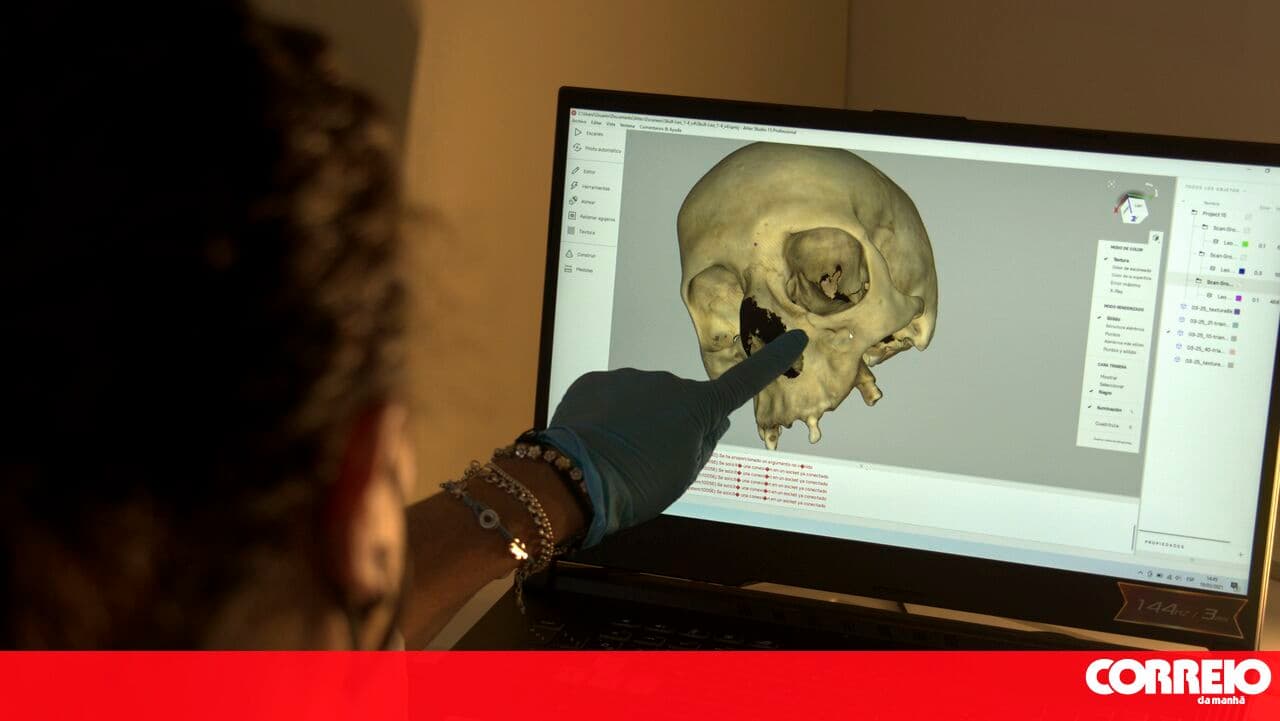
Home News University develops bone substitutes University develops bone substitutes A research team at the University of Aveiro has developed a regenerative medicine project to create personalised bone substitutes using three-dimensional (3D) printing technology, according to an academic source.

Researchers used the technique of vat photopolymerization to produce custom-made parts for each patient.
Home News Portugal scientists develop innovative molecule for cancer treatment Portugal scientists develop innovative molecule for cancer treatment A group of researchers from the University of Coimbra has developed an innovative molecule that could represent a significant advance in the treatmen

A European consortium aims to transform a bacterium associated with acne into a diagnostic and treatment vehicle for atopic dermatitis. A team from the Faculty of Sciences of Lisbon is part of the research.

With partnerships established with “almost all” public hospitals in Lisbon and surrounding areas, the 3D Printing Centre for Health at NOVA FCT already has over 200 different prototypes in operation.

Recovery demonstrated by several patients opens the possibility for the treatment to be applied on a large scale, once clinical trials with a larger number of people are completed.

Fidelidade was awarded the “Best Insurance Project” on Wednesday at the 10th edition of the Portugal Digital Awards, an initiative by IDC and Axians that recognises the most relevant digital transformation projects in Portugal. The insurer won with the Sofia project, a platform created to support the population over 60 years old, ...
