Are sweets good for your health? — Your question
We already know that too many sweets are bad for you. But can eating just a little bit have any benefits? Nutritionist Mariana Chaves clarifies.
observador.pt

Latest news and stories about health in Portugal for expats and residents.
We already know that too many sweets are bad for you. But can eating just a little bit have any benefits? Nutritionist Mariana Chaves clarifies.

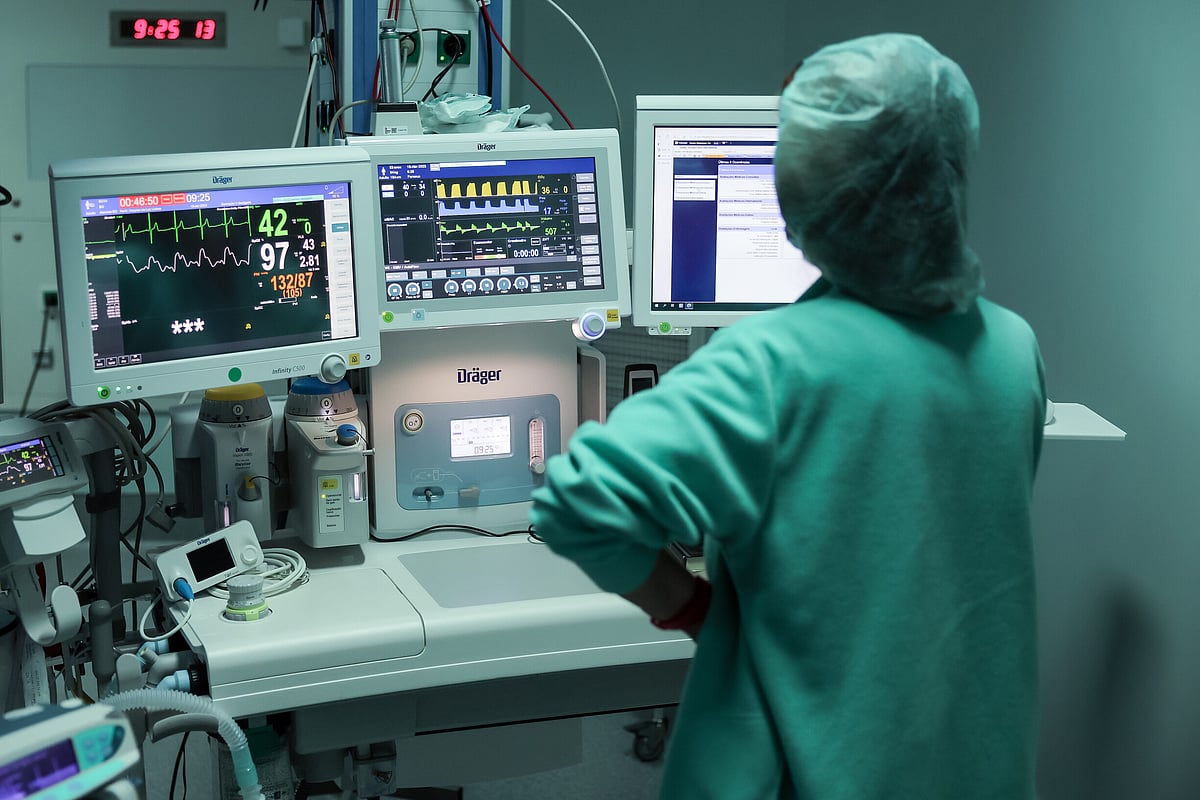
Sword Health, which develops Artificial Intelligence in healthcare, is present in 80 countries and generated hundreds of millions of dollars in revenue in 2025. And its founder Virgílio Bento knows that “there is no turning back”.
A study from University College London reveals that an analysis of the gut microbiome can identify Parkinson's years before the first symptoms appear. 638 people from different countries were examined.

Temperatures have been rising since Friday, April 17, and are expected to remain high until Tuesday, April 21, with highs reaching 30 degrees in several regions. The Portuguese Institute for Sea and Atmosphere (IPMA) has issued a warning for very high UV radiation levels across the country. Health authorities recommend avoiding direct sun exposure between 11 am and 5 pm, using sunscreen with an SPF of at least 30, and wearing protective clothing. Meanwhile, experts warn that buildings in Portugal are not designed to withstand such thermal extremes.

The author reflects on the shift of middle age from 40 to 50, noting that men at this stage become more determined and aware of their physical needs. He emphasizes that strength training is essential after 50 to preserve muscle mass, protect bone density, and improve metabolic health. He argues that fitness culture must move away from focusing solely on the aesthetics of youth and instead promote exercise as a tool for longevity, mobility, and overall well-being.
The inland village of Furnazinhas in Castro Marim will host a full day of activities on April 19, including a rural fair, a fun walk-run and free health screenings. Held The post Inland Algarve village comes to life with rural fair appeared first on Portugal Resident.

International experts are gathering at the 'Within and Beyond the Brain' symposium in Porto to discuss the scientific understanding of near-death experiences, consciousness, and reports of past lives. Neuroscientist Charlotte Martial notes that 25% of cardiac arrest survivors report near-death phenomena, often involving white lights or out-of-body sensations. While some experiences can be linked to brain activity during oxygen deprivation, other mysteries, such as children's detailed accounts of past lives studied by the University of Virginia, continue to challenge conventional scientific models and the limits of materialism.
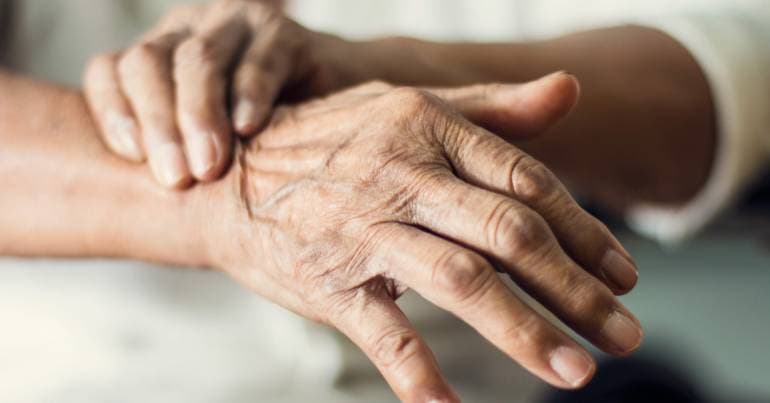
Parkinson's disease can cause changes in sense of smell, constipation, and sleep disturbances up to 20 years before motor problems arise, explains a neuroscientist. The disease is neurodegenerative, chronic, and incurable.
Sneezing, itchy nose, and watery eyes. In spring, pollen levels rise and many people start suffering from allergies. Find out why this happens and what can help.

For decades, Portugal and Brazil have maintained a relationship marked by both historical and cultural ties. Today, however, this affinity evolves into something much more relevant: an economic and scientific partnership capable of transforming education, health, and technology into engines of global growth and innovation. The Atlantic thus ceases to be a barrier and becomes a bridge of knowledge, with cultural affinity now transforming into strategic synergy. In a world where innovation depends on collaborative ecosystems, the Luso-Brazilian relationship takes on new contours. Portugal seeks to cement its position as a European hub for science, education, and technology, while Brazil asserts itself as an emerging power in biomedical research and a large-scale Latin market. This complementarity creates the opportunity to build an axis of innovation and internationalisation of companies, higher education, scientific knowledge sharing, and the exchange of highly qualified professionals. According to the Brazilian Franchise Association, in 2024, Portugal was only behind the United States in the ranking of preferred destinations for Brazilian companies to internationalise. The close relationship between the two countries creates a virtuous effect through the continuous circulation of knowledge, where each educational context enriches the other with diverse approaches and perspectives. This flow of skills reinforces the modernisation of practices, the adoption of emerging technologies, and strengthens the Luso-Brazilian talent network. Thus, it is urgent to view internationalisation as a strategy for shared growth. The first step towards internationalisation is a well-executed market study, an essential basis for success. Additionally, commercial vision is key to achieving this goal. In 2023, the two countries, through Apex (Brazilian Agency for Export Promotion) and AICEP (Agency for Investment and Foreign Trade of Portugal), signed an economic cooperation agreement in the markets of CPLP (Community of Portuguese Language Countries), promoting internationalisation and stimulating bilateral trade and investment flows. By aligning priorities, Portugal and Brazil have the capacity to create a true corridor of internationalisation, research, and innovation within a single ecosystem. In the health sector, this model redefines how learning and practice occur, strengthening skills and exponentially broadening professional horizons. The transatlantic bridge begins in institutions that no longer just train students but also innovators. With the intersection of curricula and specialised courses, Portugal and Brazil can (and should) not only export but also build knowledge. The demand for Portuguese professionals for advanced training in Brazilian institutions, driven by linguistic proximity, scientific reputation, and specialised educational offerings, shows how this bridge is already functioning well. According to the latest data from the Order of Dentists, Portugal has a ratio of one dentist per 814 inhabitants, placing it in a very favourable position, as the World Health Organisation recommends one dentist per 1500-2000 inhabitants. Thus, this internationalisation gains even more strength, providing the opportunity to enhance the training of highly qualified professionals, promote the circulation of scientific and technological knowledge, and create a collaborative ecosystem that benefits both Portugal and Brazil. Education, technology, and health now speak a new common language: that of innovation. Portugal and Brazil are uniquely positioned today to shape this global axis as protagonists of internationalisation and complementarity between the two markets. The transatlantic bridge already exists. The next step is to expand it to become the engine of transformation for the coming decades.