Latest news and stories about global warming in Portugal for expats and residents.
This page has only 1 story and is not indexed by search engines.
The increase in pollution from fossil fuels has substantially exacerbated climate change and made last year one of the warmest since records began.
The year 2025 was the third warmest on record and the third consecutive year in which temperatures remained above the 1.5°C limit, a European scientific centre said today.
European Copernicus data confirm 2025 was the third‑warmest year on record, with global averages close to the recent peak and continued signs of a long‑term warming trend; climatologists note the difference versus the warmest year was small. Coverage emphasises ongoing risks to weather patterns, sea levels and extreme events rather than short-term variability. Residents should be mindful that warmer baseline conditions increase the frequency of weather extremes and long-term planning for heat and coastal risks remains important.
Copernicus data indicate that 2025 was the third-warmest year on record.

The world will shoot past the Paris climate agreement's lower target by 2030, data shows.
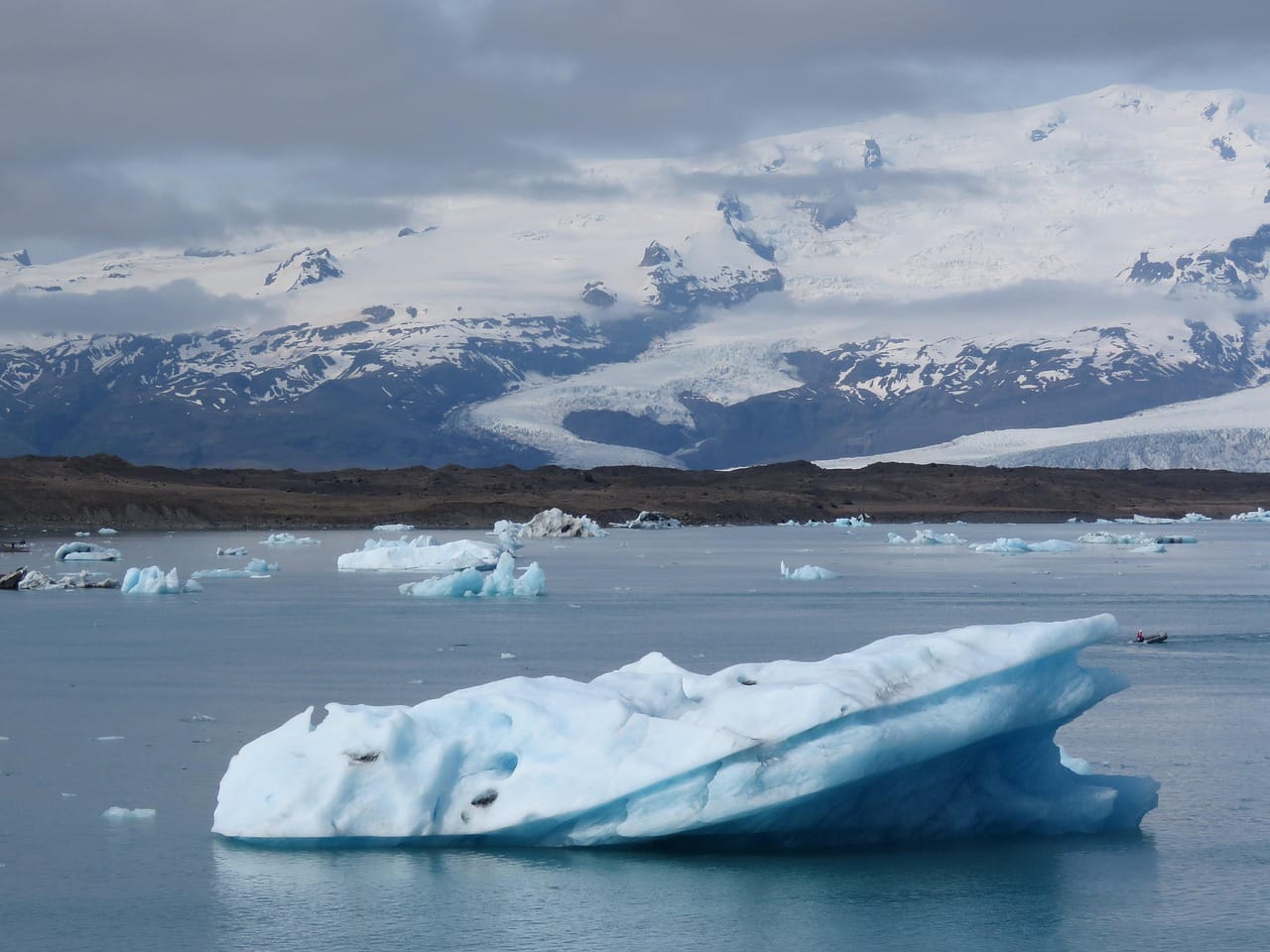
Thousands of glaciers have disappeared in recent decades and, as the world continues to warm, they are expected to vanish at an ever-increasing rate. A new study gives an idea of how quickly this could happen, and it's frightening.

An international study calculates the thermal energy the ocean absorbed last year: it is 37 times greater than the world’s total energy consumption in 2023.

Climate change, exacerbated by human behaviour, made 2025 one of the three warmest years on record, according to scientists.