Latest news and stories about free trade in Portugal for expats and residents.
This page has only 1 story and is not indexed by search engines.
A new free trade agreement with South American partners is set to boost Portuguese exports of wine and olive oil by reducing tariffs and opening distribution channels. The deal also creates new market access for Portuguese cheese, presenting export opportunities for dairy producers. However, the agreement could put pressure on domestic beef, pork and poultry sectors, which may face increased competition and potential job and price impacts. Policymakers and industry groups will need targeted measures to support vulnerable meat producers while maximising gains for high-value agri-food exporters.

With this agreement, the world’s largest free-trade area is created after more than 25 years of negotiations. Also in sport, Benfica play tonight against Rio Ave in Vila do Conde.

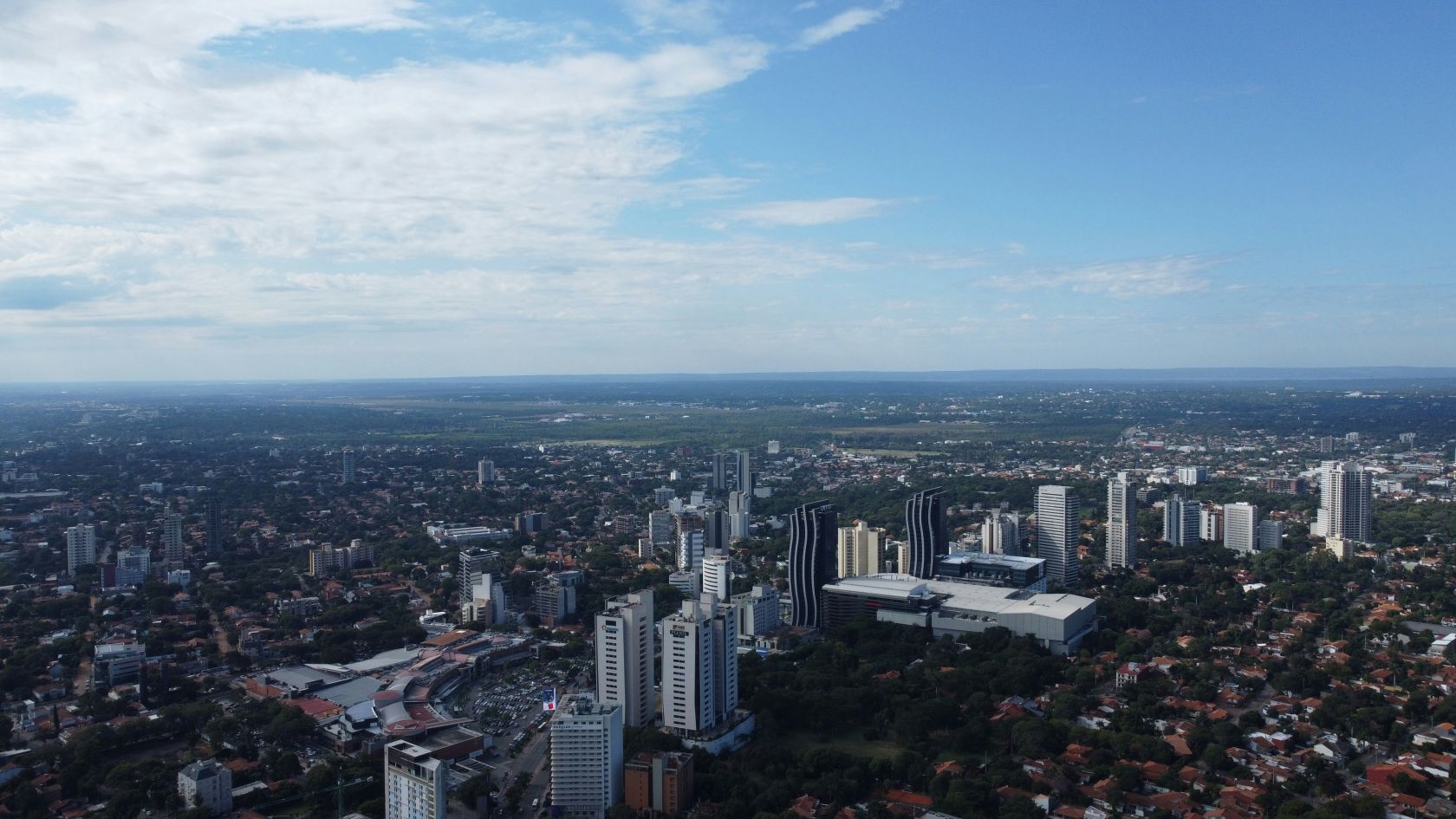
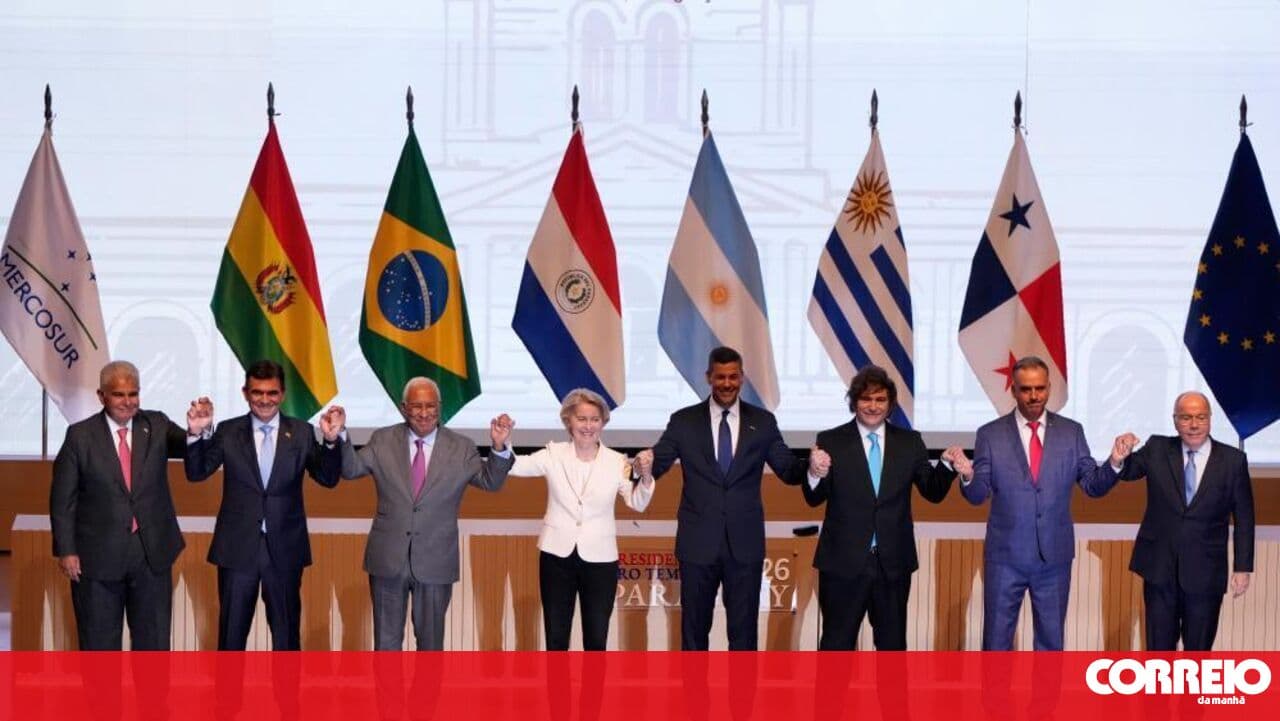
After 25 years of negotiations, the European Union and Mercosur have signed a comprehensive trade agreement in Paraguay that aims to create the world’s largest free-trade area, covering more than 700 million consumers. The deal opens markets for European exports — including vehicles, machinery, wines, spirits, olive oil and cheese — and is welcomed by business groups such as Portugal’s CIP and the Portuguese government as a major opportunity for economic growth on both sides of the Atlantic. Implementation and regulatory alignment will be crucial for the agreement to deliver its projected benefits and reshape transatlantic trade flows.
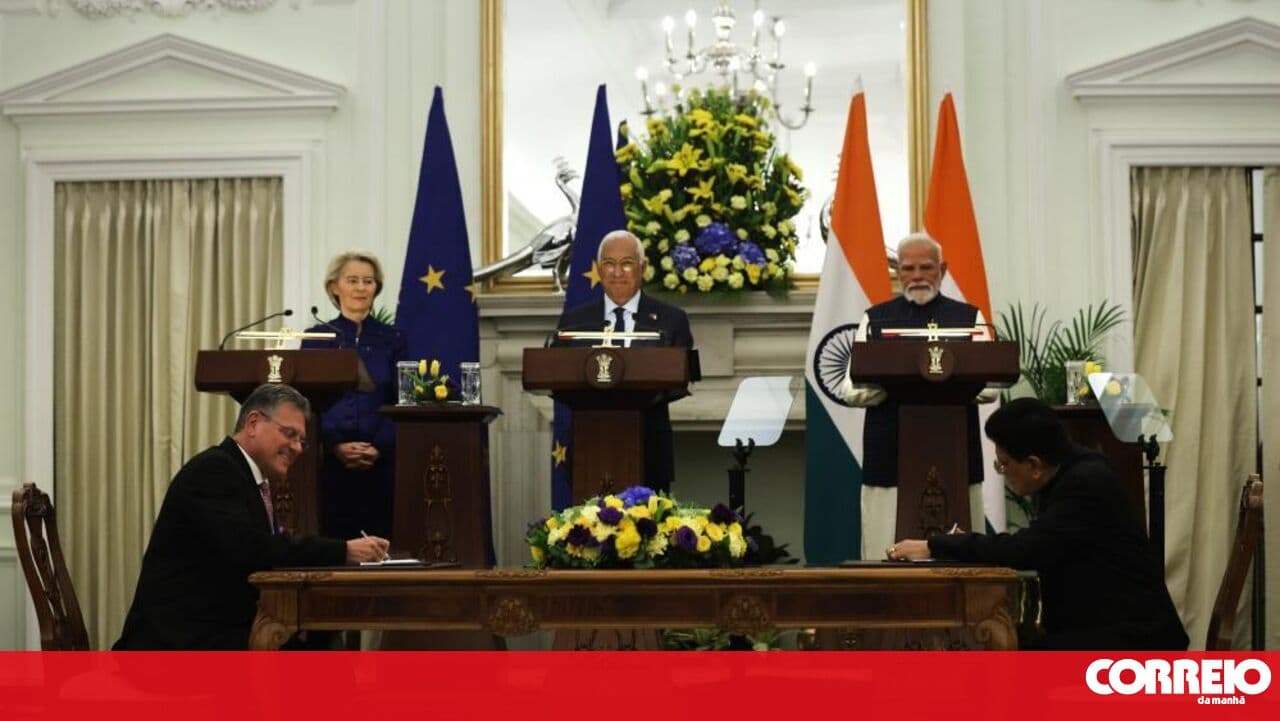
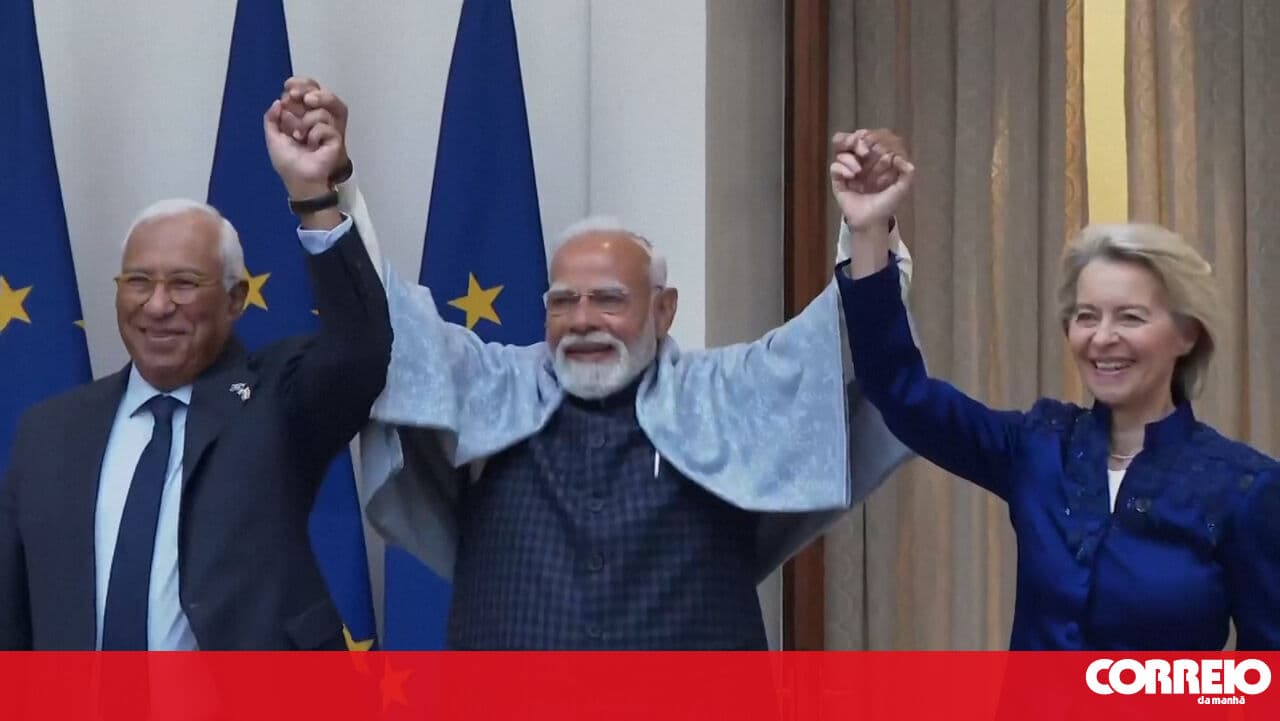
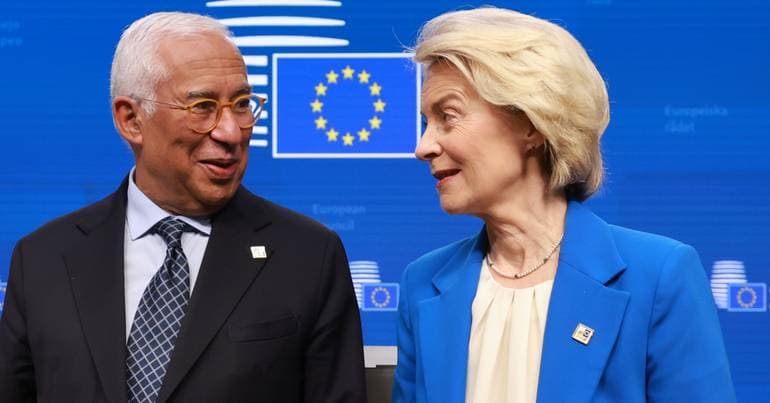
Update: The signing ceremony took place in Asunción, Paraguay; EU leaders including European Commission President Ursula von der Leyen and European Council President António Costa attended, while Brazil’s president Luiz Inácio Lula da Silva did not attend and was represented by his foreign minister, Mauro Vieira. Portuguese media note the pact covers more than 700 million consumers and highlights Portuguese exporters (wines, olive oil, cheese) as well placed to gain access — but national ratification and regulatory alignment are still required before trade changes take effect.
Update 2: Multiple outlets report the formal signatories included Mercosur members such as Argentina, Brazil, Paraguay and Uruguay, and the EU delegation included the European Commissioner for Trade Maroš Šefčovič. Ursula von der Leyen framed the pact as a choice for “fair trade rather than tariffs.” The agreement still requires national ratification and technical regulatory alignment before market changes apply.

Mercosur is the South American trade bloc (Southern Common Market) whose main founding members are Argentina, Brazil, Paraguay and Uruguay. An EU–Mercosur trade agreement — which the story says may be approved and signed soon — would reduce tariffs and open markets on both sides, affecting agricultural and industrial trade flows and therefore prices and business opportunities relevant to residents and companies in Portugal.

António Luís Santos da Costa (born July 17, 1961, in Lisbon) is a Portuguese lawyer and Socialist politician who served as Prime Minister of Portugal from 2015-2024 and currently serves as President of the European Council since December 1, 2024. After leading the Lisbon Municipal Assembly and practicing law, he was elected MEP (2004-2005) and entered parliament in 2002. He led the Socialist Party from 2014-2024, building unprecedented parliamentary coalitions with the Communist Party and Left Bloc (2015-2019) before winning an absolute majority in 2022. He resigned as PM in November 2023 following a corruption investigation, though subsequently cleared. The 27 EU member states elected him Council President in June 2024, making him the fourth full-time President and the first southern European socialist in that role.
Political Philosophy:
Costa represents moderate European social democracy, combining orthodox fiscal responsibility with progressive social investment. He prioritizes European integration, consensus-building, and pragmatic compromise over ideological confrontation. As Council President, he champions mediation between member states, improved EU inter-institutional relations, shorter decision-making processes, and regular visits to every EU capital to reconnect citizens with European institutions. His approach emphasizes "creative bridges" reconciling divergent interests while maintaining firmness on European values, particularly regarding Ukraine.

Ursula Gertrud von der Leyen (born October 8, 1958, in Brussels, Belgium) is a German physician and politician serving as President of the European Commission since December 1, 2019, becoming the first woman to hold this office. She previously served as Germany's Minister of Defense (2013-2019) and held cabinet positions in family, labour, and social affairs under Chancellor Angela Merkel. Re-elected in July 2024 with 401 votes for a second term until 2029, Forbes named her the world's most powerful woman in 2022, 2023, 2024, and 2025. Relationship with Portugal:
Von der Leyen approved Portugal's Recovery and Resilience Plan in June 2021—the first among 27 EU member states—worth €16.6 billion to "profoundly transform the economy". In a 2025 tribute to Portugal's 40 years in the EU, she declared "Your Fado, your destiny, is right here at the heart of Europe," praising Portugal's renewable energy leadership, infrastructure transformation, and ocean protection. She highlighted Portugal's potential in lithium processing and AI startups while advocating for removing obstacles to economic growth. She also promoted energy interconnections like the Bay of Biscay project linking France-Spain, addressing Iberian energy isolation.

The European Council (Conselho Europeu) brings together EU heads of state or government to set the bloc’s overall political direction and priorities; it does not adopt ordinary legislation. Its president, Charles Michel, has chaired meetings since December 2019, and the Council’s political endorsement is important for major trade and investment deals, so those following EU policy should note its stance on agreements like the EU–Mercosur deal.
One of the biggest deals in commercial history is to be signed tomorrow. The agreement will bring together the economies on both sides of the Atlantic and aims to create the world’s largest free-trade area, covering more than 700 million consumers.
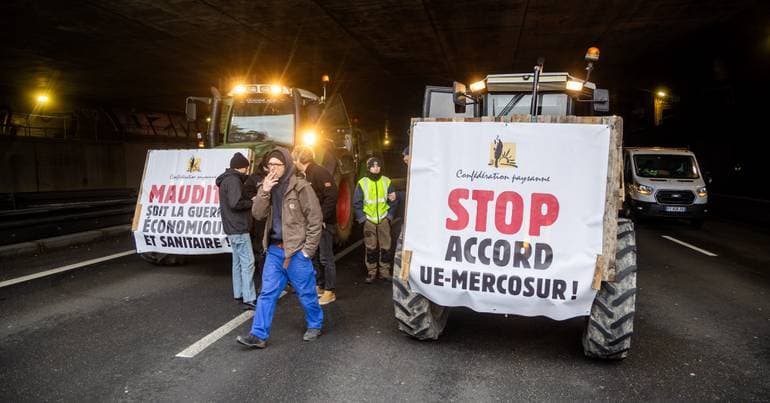
25 years on, and despite strong opposition from France and protests by farmers, the European Union approved the agreement with Mercosur, creating the largest free-trade area. Von der Leyen called it a 'strong signal' from the EU in an 'increasingly transactional and hostile' world — Donald Trump's world — and Costa reminded that in 'rule-based trade partnerships everyone wins'.

The proposed free-trade agreement between the European Union and Mercosur was approved on Friday. France, Poland, Austria, Ireland and Hungary voted against, and Belgium abstained.