Brussels wants to stop the wolves of Wall Street on TikTok
The European Union is moving to regulate financial influencers on social media platforms like TikTok and Instagram to mitigate risks associated with digital financial advice.

Latest news and stories about financial literacy in Portugal for expats and residents.
The European Union is moving to regulate financial influencers on social media platforms like TikTok and Instagram to mitigate risks associated with digital financial advice.

The proposal comes in a scenario where much of the content consumed regarding financial literacy comes from social media and is often disguised as partnerships.

The Portuguese insurance sector is grappling with several problems: a weak risk culture, insufficient financial literacy, and the consequences of a lack of insurance, as seen in Leiria, can be devastating. In another panel of 'Mulheres com ECO', featuring Ana Teixeira, co-founder and CEO of Mudey, and Sofia Mendes, member of the executive committee...

The central bank has announced the five teams that have reached the final stage of the 'Mestres do Dinheiro' contest.

The declaration of interests that Álvaro Santos Pereira submitted to the European Central Bank (ECB) is perhaps the most unexpectedly pedagogical document of the year, not for what it teaches, but for what it confesses. The Governor of the Bank of Portugal, president of the National Council of Financial Supervisors (CNSF), and fervent champion of financial literacy, presented himself to Frankfurt without...

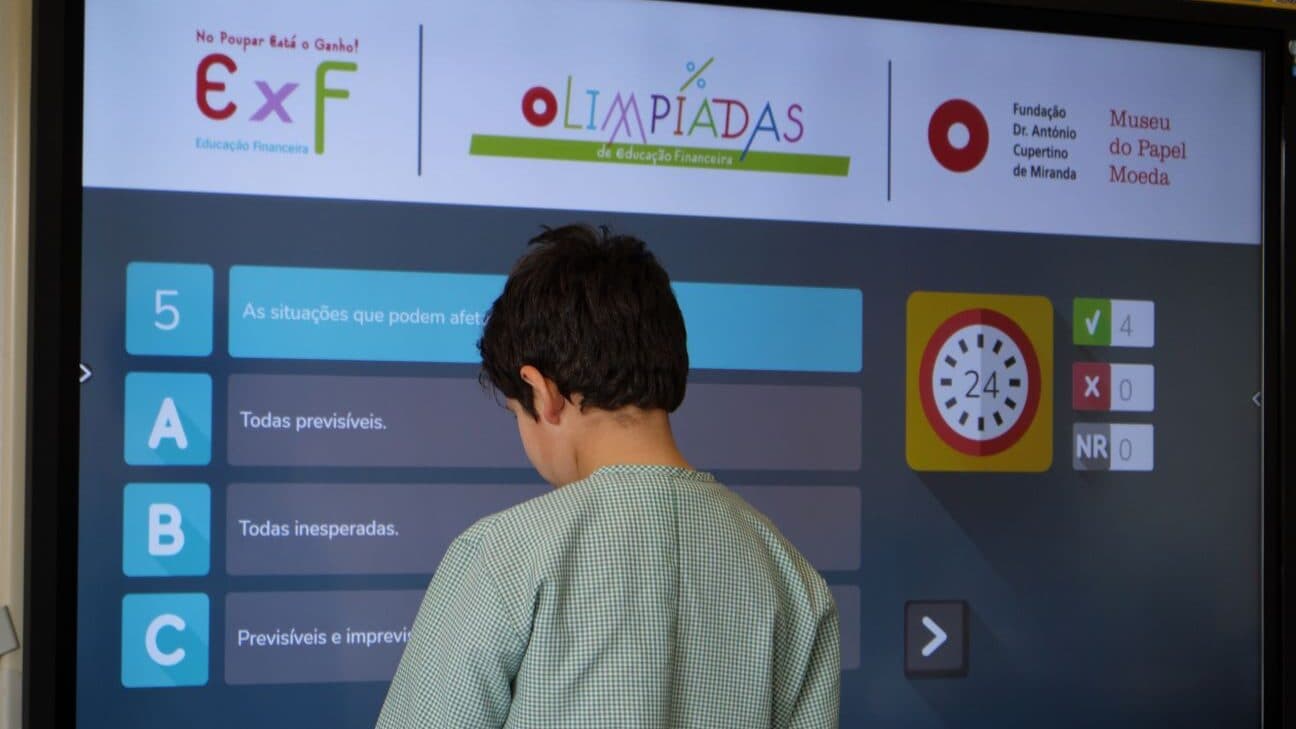
New educational initiatives in Portugal are using virtual reality technology to teach financial literacy and budgeting skills.

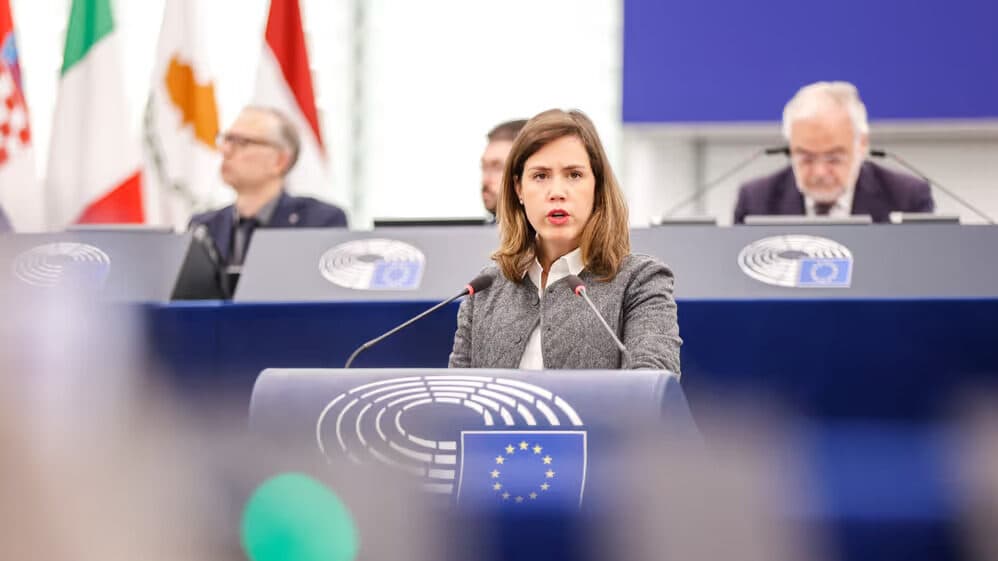
The European Parliament aims to create a voluntary seal to ensure the quality of influencers in the financial sector. A report by MEP Lídia Pereira advocates for increased investment in lifelong financial literacy.
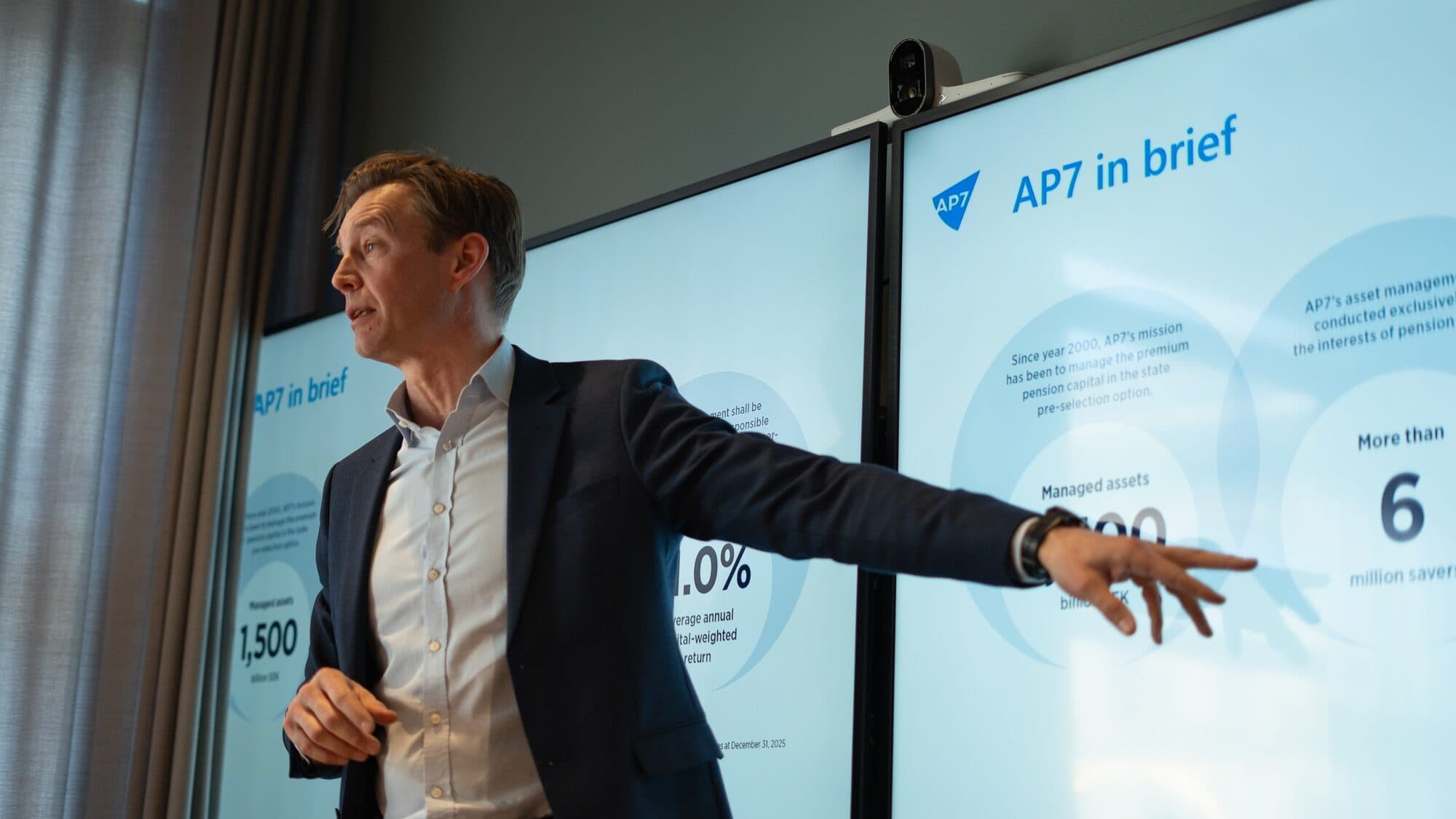
Sweden is one of the countries in the world where the population invests the most in stocks. In a country with about 10.7 million inhabitants, 3.8 million, or about 40% of the population, have a savings and investment account. With one of the most vibrant stock markets in Europe, Swedish families, despite not learning it...

When I talk about investing in the stock market or index funds (ETFs), the reaction is almost always one of distrust: 'You might as well bet at the casino, it's the same thing.' Why? A column by Luís Teixeira.

How can there be such a difference between school and the grocery store?

The first free online class will be held on April 15th. The goal is to help immigrants manage their money better and avoid falling victim to scams or becoming vulnerable.

Bárbara Barroso, a personal finance expert, explains that while Portuguese people have a habit of saving, they are highly risk-averse due to historical banking failures and low financial literacy. This leads to a preference for guaranteed capital over investment, resulting in billions of euros sitting in low-interest deposits that lose value against inflation. Barroso notes that while younger generations have more access to information, they also face an 'information overload' that complicates effective portfolio diversification.

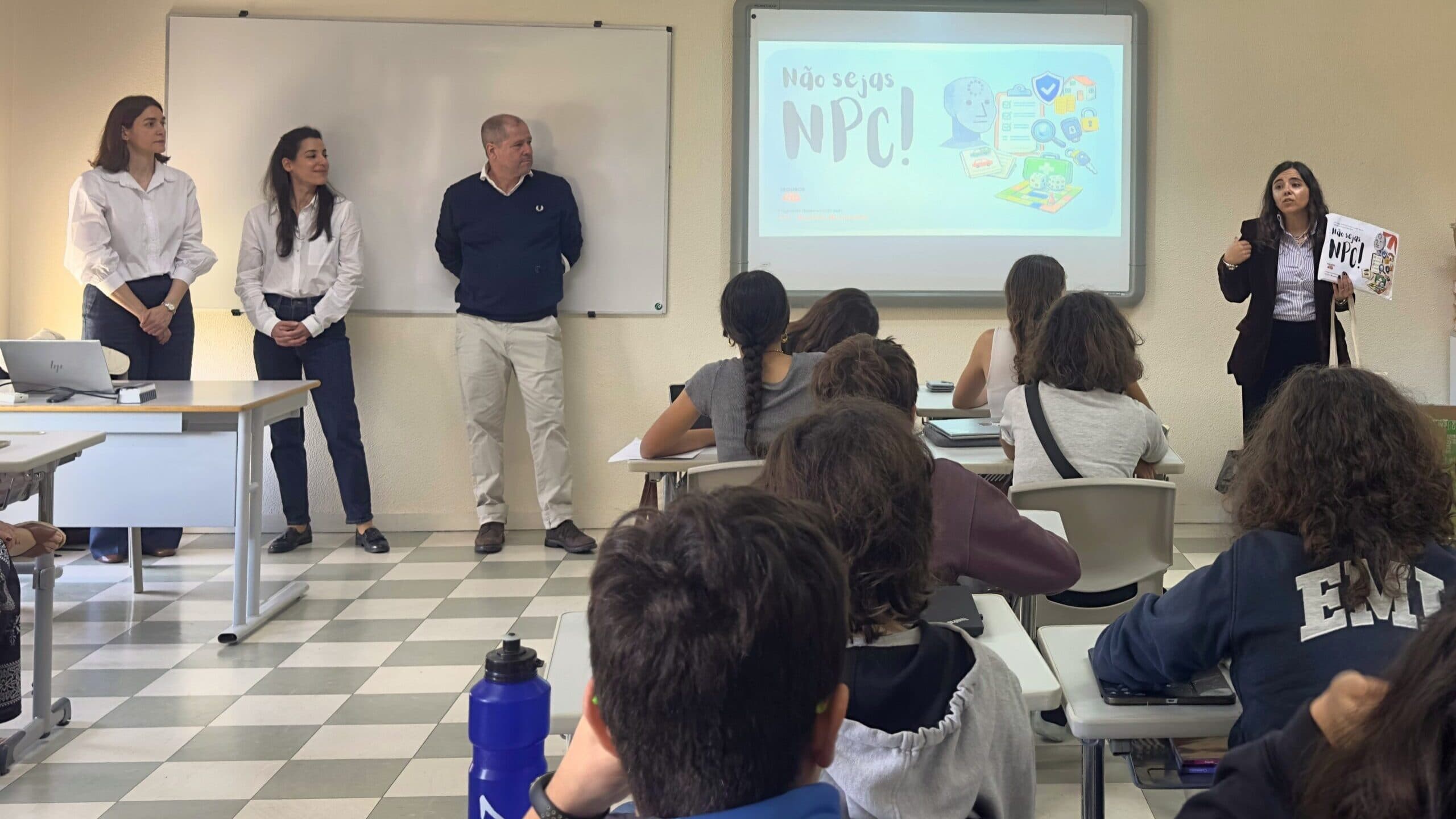
The National Council of Financial Supervisors – which brings together the Banco de Portugal, the Insurance and Pension Funds Supervisory Authority (ASF), and the Securities Market Commission – and the Ministry of Education, Science and Innovation have formalised an expanded partnership to bring financial literacy to Portuguese classrooms.

Tomorrow's poor will know how to save, having had financial literacy and entrepreneurship in school.

The Capital Minds team, from the Faculty of Economics at the University of Coimbra, won the national final of the 2nd edition of the 'My Financial Future' competition, an initiative by the Banco de Portugal and the CFA Society Portugal that brought together 200 teams, composed of more than 700 students from 48 higher education institutions. 'Financial literacy ...'

The launch of a virtual assistant, a type of 'ChatGPT' designed to help citizens make more informed financial decisions, is one of the measures included in the 2026-2030 strategic plan of the National Financial Education Plan. Coordinated by the Bank of Portugal, the Insurance and Pension Funds Supervisory Authority (ASF), and the Securities Market Commission (CMVM), the initiative aims to provide integrated, reliable information on financial risks and protections. The tool will be part of a new website featuring educational content tailored to different life stages, serving as an evolution of the current 'Todos Contam' portal.

In addition to students at universities and colleges of education, the strategic plan for the next five years includes further financial literacy training for those already in the teaching profession, ensuring they are properly qualified to teach this module within the citizenship curriculum.

The launch of a virtual assistant, a type of ChatGPT, to help citizens make more informed financial decisions is one of the measures included in the 2026-2030 strategic plan of the National Financial Education Plan. The National Financial Education Plan was created in 2011 and is coordinated by the three financial supervisors (BdP – Bank of Portugal...)

The 2026-2030 National Financial Training Plan aims to provide teachers with training in financial literacy and includes the launch of a virtual assistant to answer financial questions.

The strategic plan aims to strengthen the impact of initiatives aimed at priority groups: children and young people, primarily through schools, and the adult population.

The goal is to train future teachers for classes on this subject.

The Banco de Portugal and other entities propose strengthening financial literacy in teacher training by integrating these contents into master's degrees in education.

A recent study by the Bank of Portugal reveals that 15% of 15-year-olds lack basic financial literacy, yet 74% of those same students believe they are capable of managing their own money. This overconfidence, combined with a lack of practical experience with physical currency and outdated school curricula, highlights a growing risk of poor financial decision-making. The article suggests that parents should take a more active role in their children's financial education, starting with practical tasks like managing supermarket purchases to build real-world competence.

The Banco de Portugal and RTP are set to launch 'The Secret of Numbers', a television segment with daily episodes to promote economic, financial, and statistical literacy among Portuguese citizens. This partnership, RTP explains, involves the production and broadcast of daily micro-programmes that, 'in simple and attractive language, decode financial topics and promote knowledge...'

An overwhelming majority of Portuguese youth lacking basic financial knowledge—74% of those aged 15 without essential skills—believe they are capable of managing money, displaying 'overconfidence' that leaves them vulnerable to fraud and financial loss, according to a new study by the Banco de Portugal. The report, which analyses data from the OECD's PISA 2022 module, highlights that while Portuguese students perform similarly to their European peers in financial literacy, they have a lower percentage of top-tier performers. The study also notes that young people are increasingly using digital financial tools, such as mobile apps and online payments, without the necessary expertise to navigate the associated risks.

A study shows that only 6.6% of students demonstrated “top-tier knowledge”, yet 74% of those without basic knowledge exhibit “overconfidence”.

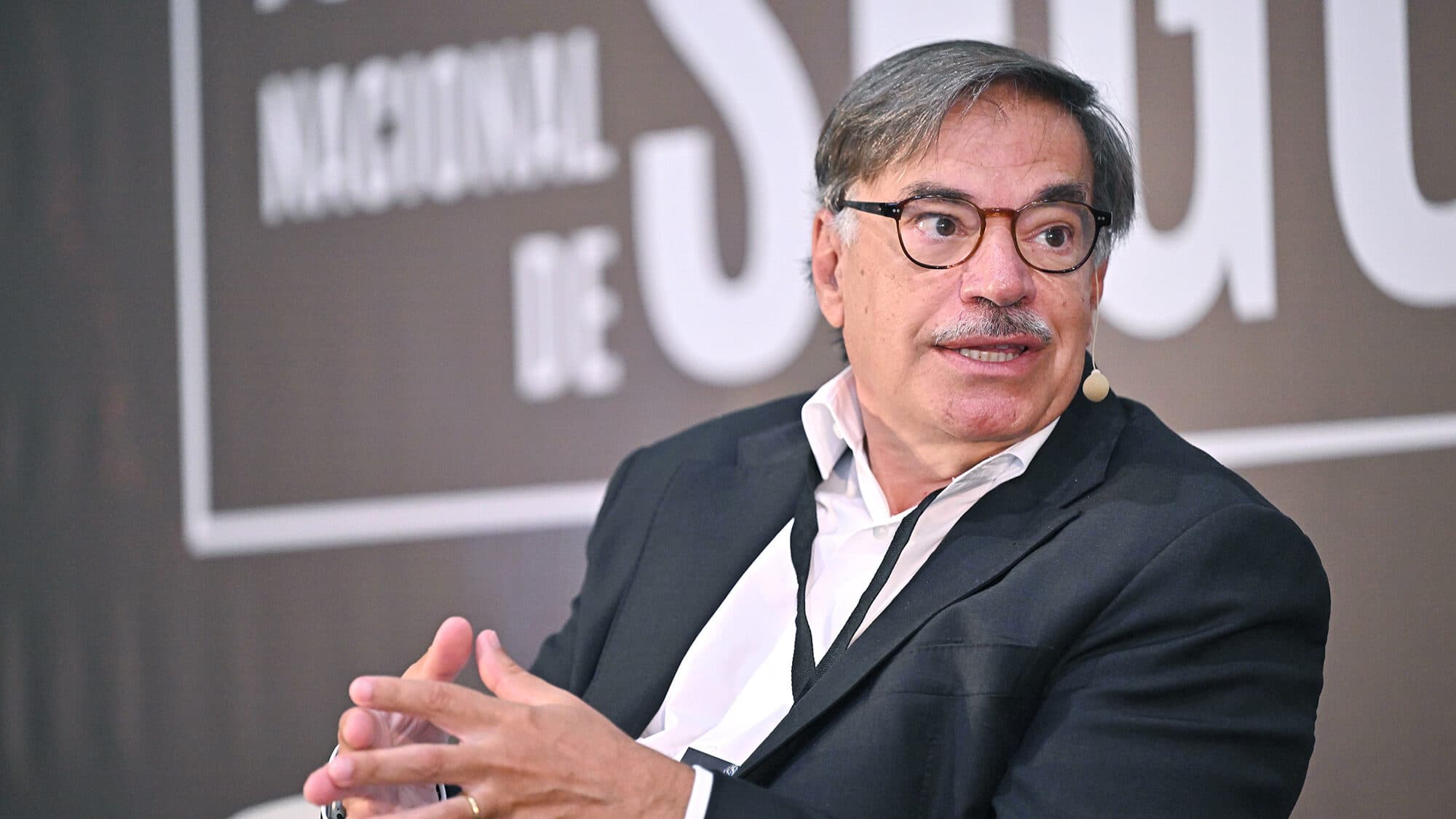
Knowing how to manage money should be as basic as knowing how to read or do sums. This is the conviction with which Álvaro Santos Pereira, Governor of the Bank of Portugal and President of the National Council of Financial Supervisors (CNSF), opened the Solemn Session of Financial Education Week this Monday in Lisbon, at the CMVM headquarters. For...

The European Commissioner for Financial Services, Financial Stability and Capital Markets Union, Maria Luís Albuquerque, is hosting the first meeting this Monday with the network she created with national ambassadors to promote financial literacy in the European Union (EU). Today, the Commissioner for Financial Services, Financial Stability and Capital Markets Union, Maria Luís Albuquerque...

Portugal records a level of financial literacy 'close to the euro area average', but hides a structural flaw: only 13% of Portuguese people can correctly answer seven basic questions about finance. This is the portrait that the Banco de Portugal publishes this Monday in the March 2026 Economic Bulletin, precisely on the day...

Among young people, Portugal is very close to the other countries analysed in the study and also to the OECD average.