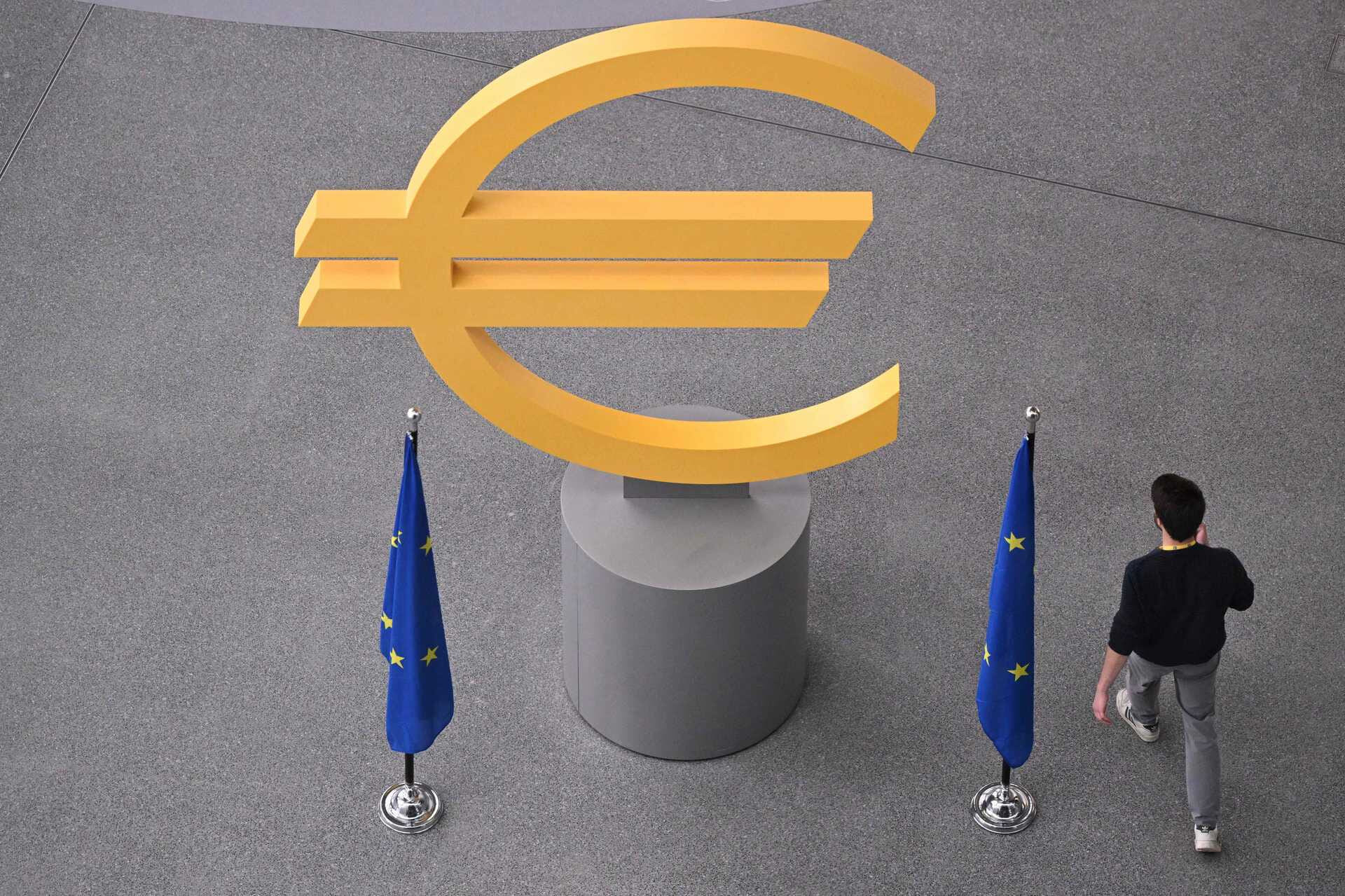
Eurozone finance ministers discuss today the economic impacts of the conflict in the Middle East
The ECB has already warned that rising energy prices could create inflationary pressures in the eurozone.

Latest news and stories about eurozone in Portugal for expats and residents.
This page has only 1 story and is not indexed by search engines.
The ECB has already warned that rising energy prices could create inflationary pressures in the eurozone.

This article does not specifically focus on Portugal but highlights a broader trend among European banks increasing their holdings of government bonds by 14% over the past year, partly driven by ECB policies and rising government borrowing. It notes that some eurozone countries, including Portugal, are under scrutiny regarding their debt levels and fiscal stability. The surge in bond holdings raises concerns about potential risks, such as a sovereign-bank doom loop, especially if economic conditions worsen or yields spike. Overall, while manageable now, regulators warn that increased exposure to sovereign debt could pose systemic risks if fiscal or market stability deteriorates.
The credit rating agency S&P has maintained Portugal's rating at 'A+', while upgrading the outlook from stable to positive. This change is attributed to the resilience of the Portuguese economy and a reduction in public debt. S&P anticipates that Portugal will continue to decrease net public debt, bolstered by effective budget management and strong economic growth, with a projected growth rate of 2.2% in 2026, surpassing the eurozone average. This assessment follows a previous stable rating from DBRS and precedes an upcoming evaluation by Fitch.

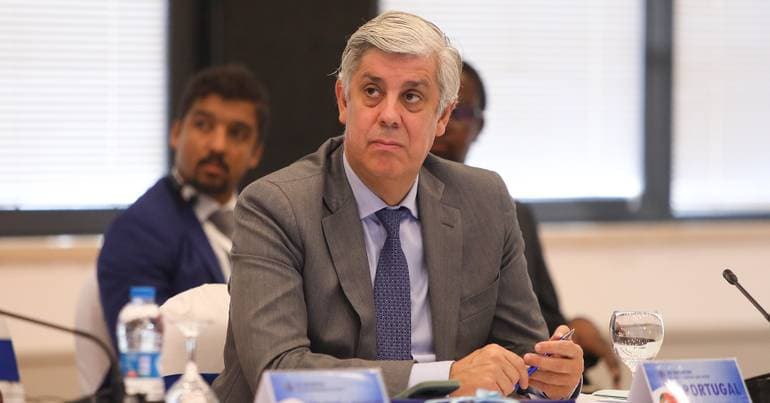
Joaquim Miranda Sarmento said on Tuesday that he had expected Mário Centeno to be elected vice‑president of the ECB, but a lack of support forced the government to withdraw from the race.

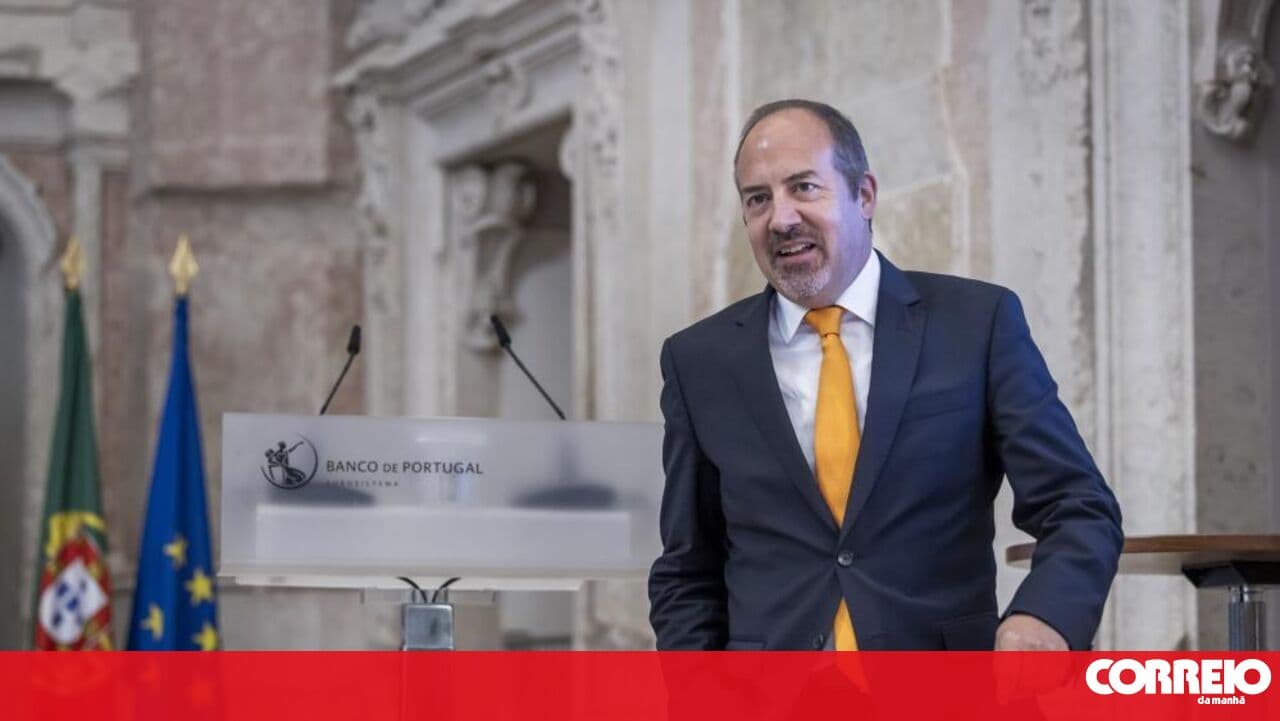
The Portuguese Government said today it “had expected” that former Bank of Portugal governor and ex-minister Mário Centeno would secure the vice-presidency of the European Central Bank (ECB), but the candidacy did not gather enough support and was withdrawn.

Boris Vujcic was elected vice-president of the European Central Bank.

The Croat was elected vice-president of the European Central Bank on Monday.

The governor of the Croatian National Bank was the big winner

At the Eurogroup meeting the successor to Luis de Guindos as ECB vice-president was discussed. Centeno was left out of the race. The Croatian candidate won.

The government had admitted that electing the Portuguese candidate would be difficult

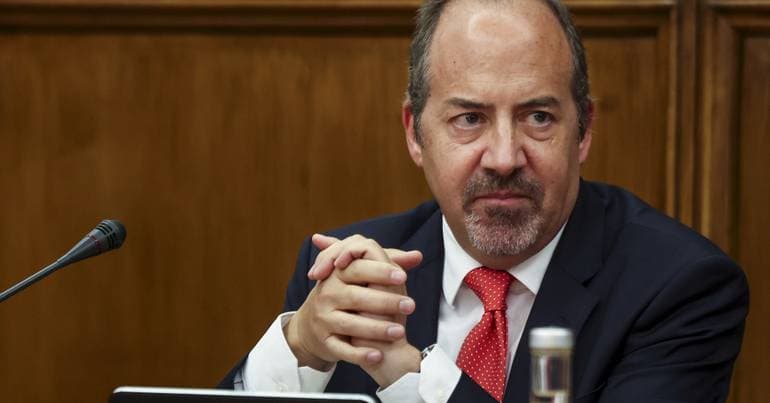
The Finance Minister described the race for the European Central Bank (ECB) vice-presidency as a 'difficult election'. The former governor of the Bank of Portugal and ex-minister Mário Centeno is contesting the post today in Brussels, but the minister said he still had 'some hope'.

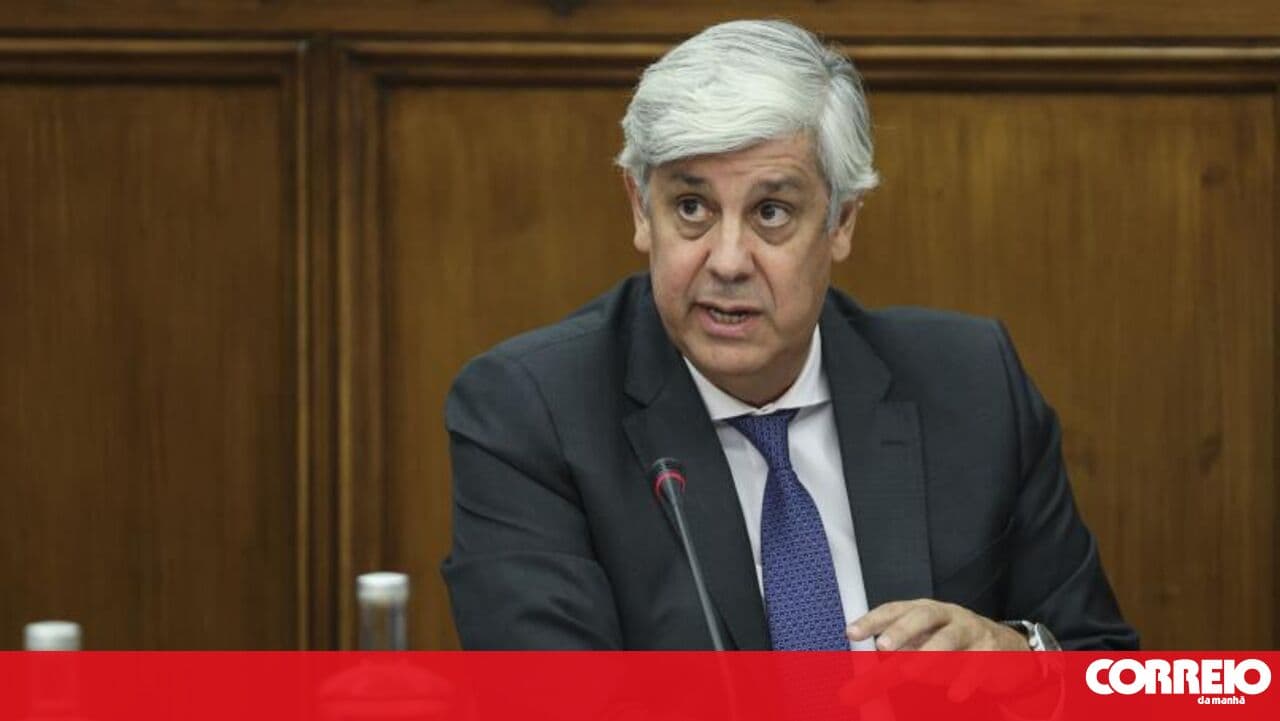
The Minister of Finance, Joaquim Miranda Sarmento, says that Mário Centeno's election as Vice‑President of the ECB will be “difficult” because “there are regional balances that need to be taken into account”.

The Portuguese government described the contest for the European Central Bank's vice‑president position — in which Mário Centeno is a candidate — as a 'difficult election', signalling strong competition and uncertain prospects.
European Central Bank president Christine Lagarde and national central bank governors across the Eurozone have closed ranks to defend US Federal Reserve Chair Jerome Powell against criticism from Donald Trump.

Mário Centeno was chosen by the Portuguese government for the post and could become the first Portuguese member of the ECB's executive board since the bank was established in 1998.
The candidacy will be formalised on Friday.

The announcement of the former governor of the Bank of Portugal's candidacy for the position of vice-president of the European Central Bank (ECB) comes in an exclusive statement to ECO. The candidacy is expected to be formalised this Friday. Mário Centeno says he was “encouraged by European contacts”.
Prices have slowed again in the eurozone, giving more grounds to those who argue that the ECB should start thinking about lowering interest rates once more.

The euro has been in circulation in Bulgaria's economy since 1 January. Travelling to the country therefore no longer requires exchanging currency or facing exchange‑rate risk.

In a context where European banking is slightly stabilising profitability and keeping non-performing loans under control, Portuguese banks continue to stand out for their combination of high profitability and strong capital solidity. The latest data from the European Central Bank (ECB) on the sector shows that the three main national institutions have a ratio ...

In the third quarter, labour costs increased by 3.3% in the eurozone and by 3.7% in the European Union, indicating a significant rise in employment expenses across the region.


Inflation in the eurozone rose again in November to 2.2%, reinforcing expectations that the European Central Bank (ECB) will keep interest rates unchanged at its next meeting in two weeks. What does this mean for your bank payment? Listen to the new episode of 'Economy Day by Day', the daily podcast from Expresso.

At the last meeting of the European Central Bank (ECB) at the end of October, there was unanimous agreement to maintain interest rates at 2%. However, the minutes of the discussion, published this Thursday, reveal two very clear opposing views: one believes that the cycle of rate cuts “has come to an end”; while the other advocates for an “open mind” regarding the possibility of further cuts.