

Waste Management: An Announced Emergency
Where does the waste we produce go? Are landfills full? In this episode, we discuss the increasing pressure on waste management. Are we truly in a state of emergency or not?
Observador
Latest news and stories about environmental regulations in Portugal for expats and residents.
Where does the waste we produce go? Are landfills full? In this episode, we discuss the increasing pressure on waste management. Are we truly in a state of emergency or not?
The National Association of Portuguese Municipalities (ANMP) wants the Government to limit the amount of the Waste Management Tax (TGR), which they consider to be “truly unbearable.”

The support for photovoltaics, aimed at cooperatives, organizations, and associations of agricultural producers and irrigators, includes production, storage, and renewable energy communities.
Renewable sources accounted for 74.3% of the electricity produced in mainland Portugal in November, corresponding to 3,081 gigawatt-hours (GWh) of the total 4,147 GWh produced, reported the Portuguese Renewable Energy Association (Apren) on Friday. Wind energy led renewable production in November with 34%, followed by hydropower at 26.1%, and solar energy...

Portugal stands out as a European example in the energy transition. In 2024, renewable sources provided 71% of national electricity, and in some months of 2025, they exceeded 80%. This is a remarkable achievement, but not a final destination. The electrification of the economy, transport, and industry will continue to increase electricity demand.

Greenvolt has reached an agreement with M.A. Silva, a cork company, to establish two energy communities.

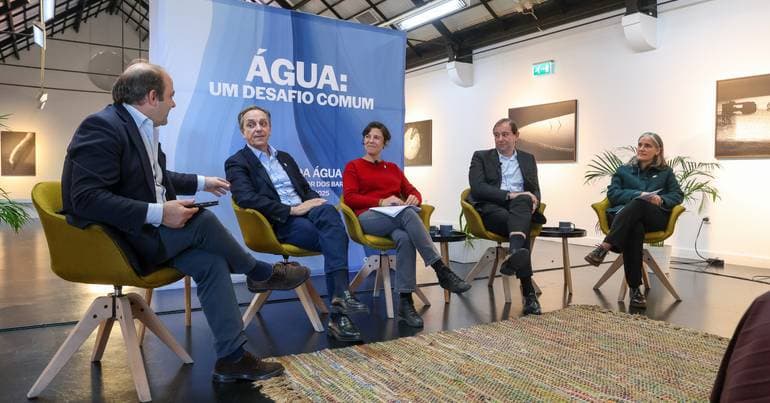
Climate change and water scarcity are a reality. The involvement of everyone is necessary. But what work has been done by the community, companies, and entities in this regard?
The regulatory context is rapidly evolving, with new rules on eco-design, critical raw materials, and producer responsibility.

At the end of October, the Government presented the new ENAAC 2030, which aims to strengthen the capacity to adapt to extreme phenomena and invest in flood prevention, among other measures.

The new treaty is part of the Council of Europe's strategy for the Environment and aims to address the so-called “triple planetary crisis” — climate change, pollution, and loss of biodiversity.
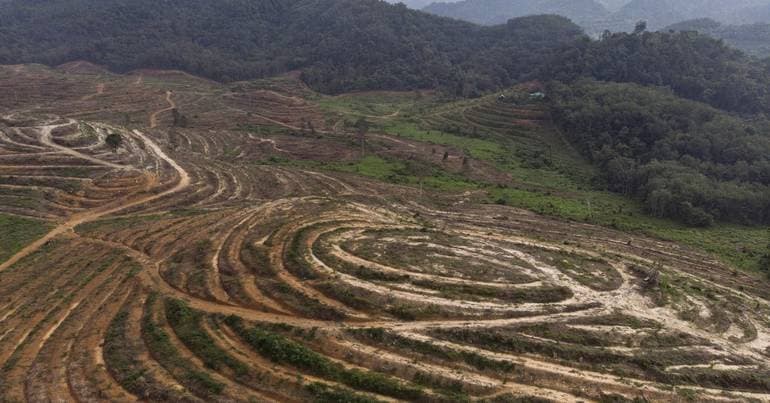
The drought is not over, and it is necessary to continue the 'exemplary' effort made to improve water efficiency, warns the president of the Portuguese Environment Agency.

The dams in the Algarve are at an average of 72% capacity and have enough water to ensure urban consumption for three to four years, said the president of the Portuguese Environment Agency (APA) on Wednesday. José Pimenta Machado provided an update on the water reserves in the region to the Lusa agency.
The organization forecasts economic growth, despite a public deficit, according to DN. Público reports that the FPF has made an agreement with a company that does not have a license to operate in Portugal.

The Innovative Transactive Renewable Energy Communities project aims to create free, web-based digital tools to support communities that come together to produce 100% renewable energy.

Rainfall over the last month has left 20 hectometres cubed in the reservoirs, but it has not helped recharge the aquifers.

Ten years, many victories (and some defeats). Nothing is finished. We celebrate, yes, with our eyes on the future: the next decade will require more courage and more environmental measures. Opinion by Francisco Ferreira

Portugal is at risk of failing to meet most of the recycling targets set by the European Union this year. The figures shared by Sociedade Ponto Verde (SPV) paint a rather negative picture of the current situation. The sending of packaging for recycling saw a 2% increase in the first half of 2025, compared to ...
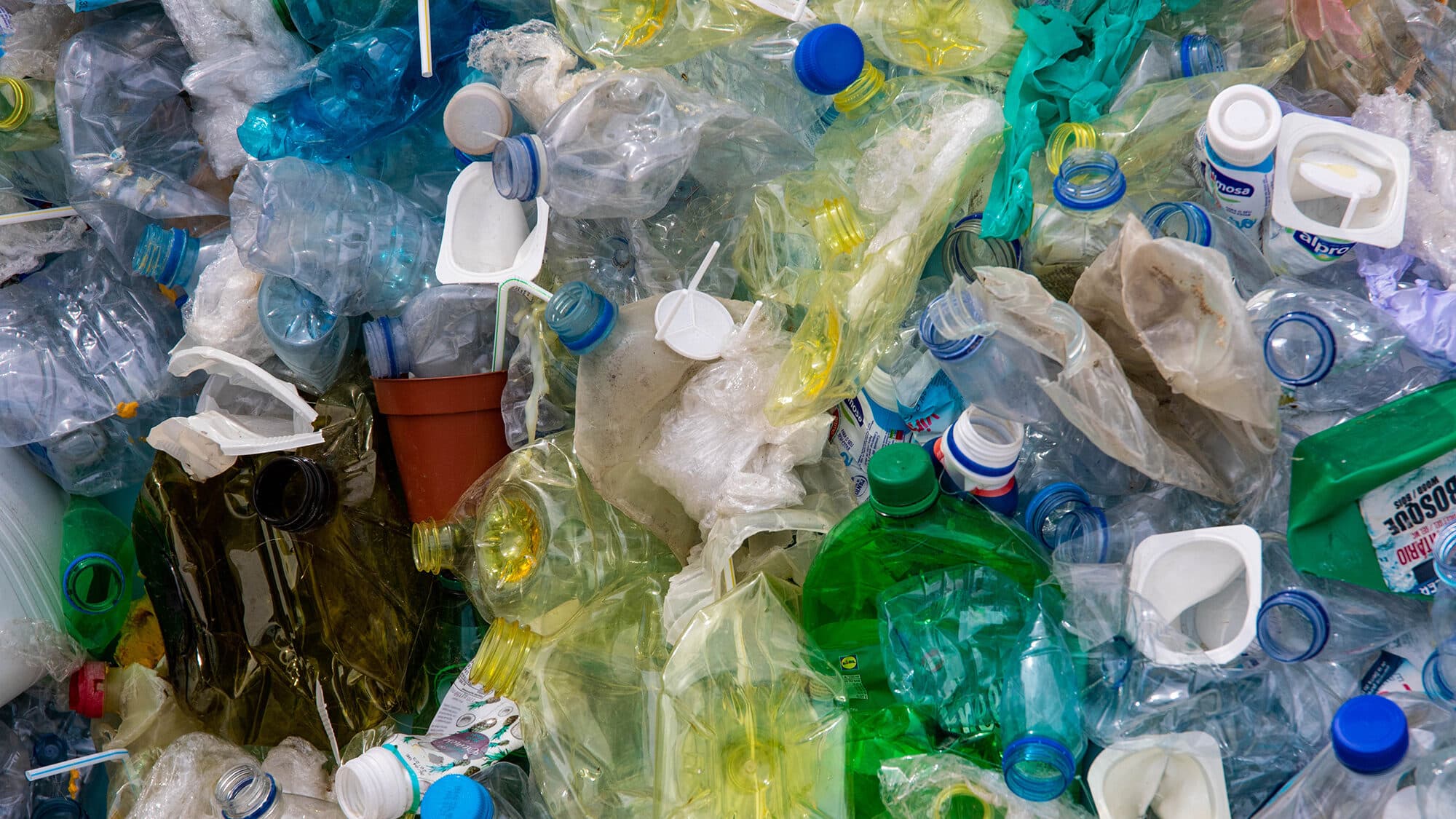
An analysis by the association Zero, based on data from the Regulatory Authority for Energy Services, reveals that waste incineration emits double the greenhouse gases compared to fossil gas.

The organiser of the Ethical Assembly, despite fearing that “nothing substantial would be decided”, expressed disappointment with COP30, which “once again had too many representatives from oil and gas”.

The event organiser stated that the COP was disappointing.

The role of renewables in the decarbonisation of energy production is undeniable – they are necessary. In each case, the pros and cons of various solutions must be carefully weighed.

The aim of the European Union's Bioeconomy Strategy is to accelerate the circularity of the economy, making it more sustainable and capable of reducing dependence on imported natural resources.

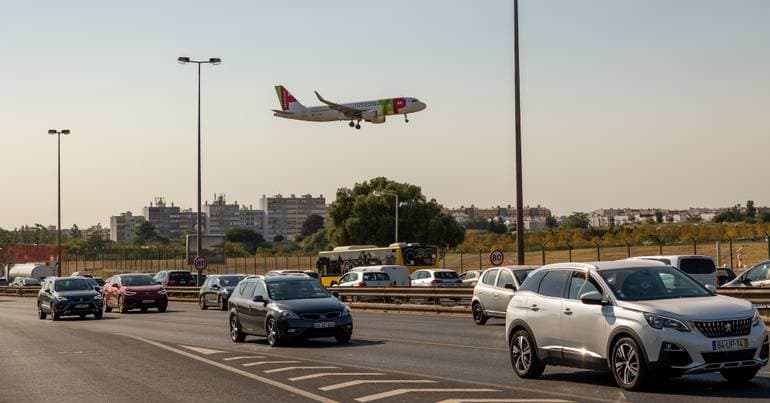
AEA calls for better monitoring of air pollution at ports and airports and their surroundings. A study states that Lisbon airport is the second most polluted of the 23 analysed.
APA has imposed a wide range of mitigation and monitoring measures that must be strictly adhered to during the construction phase of the desalination plant.

The proposal is part of the European Commission's efforts to accelerate the transition to a biological and circular economy in the EU, which aims for widespread use of these biological materials by 2040.
