Latest news and stories about energy transition in Portugal for expats and residents.
This page has only 1 story and is not indexed by search engines.
An energy system based on renewable sources would allow the European Union to save €1.637 trillion by 2050, the equivalent of 9% of European GDP or the total annual health expenditure of the EU bloc.
CNN Innovation segment about the Alliance for the Energy Transition (ATE), highlighting a collaboration between REMO and the University of Coimbra to promote research, training and projects supporting Portugal's energy transition.

The Repsol Foundation brings together leaders, experts, policymakers and academics for a conference that will take place on 14 January. You can watch the event live via streaming.

A Portuguese–Andalusian collaboration seeks to position Southern Europe as a leader in green hydrogen through joint projects, increased production capacity, infrastructure development and cross‑border investment between Portugal and Andalusia.

Admitting he is neither a technical expert nor a specialist, the presidential candidate backed by the PSD and CDS‑PP said that Portugal must invest in the energy transition.

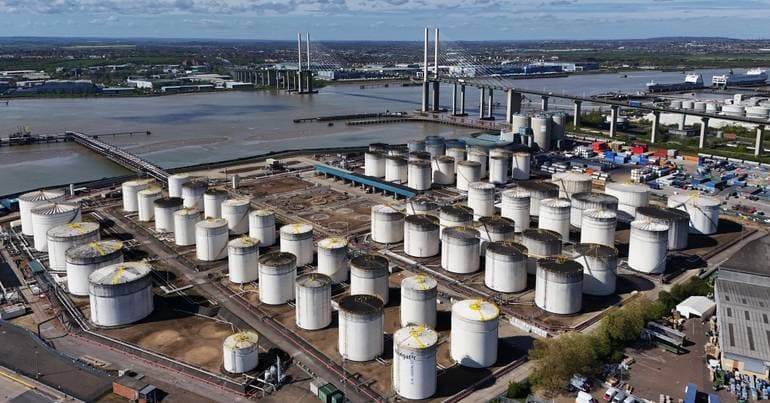
Although often overlooked in public and policy discussions, liquefied petroleum gas (LPG) plays a crucial role in supporting decarbonisation, energy security and the practical delivery of the energy transition in Portugal.

The World Energy Outlook 2025 report describes the event on the Iberian Peninsula as a reference laboratory for the future energy transition Europe will face.

For the next year, Portuguese citizens will have a new support for energy transition, this time in the form of a loan. The financing will be provided through the Development Bank and may include an additional bonus from the Environmental Fund. "It will always be a more favourable loan than the [typical] ...

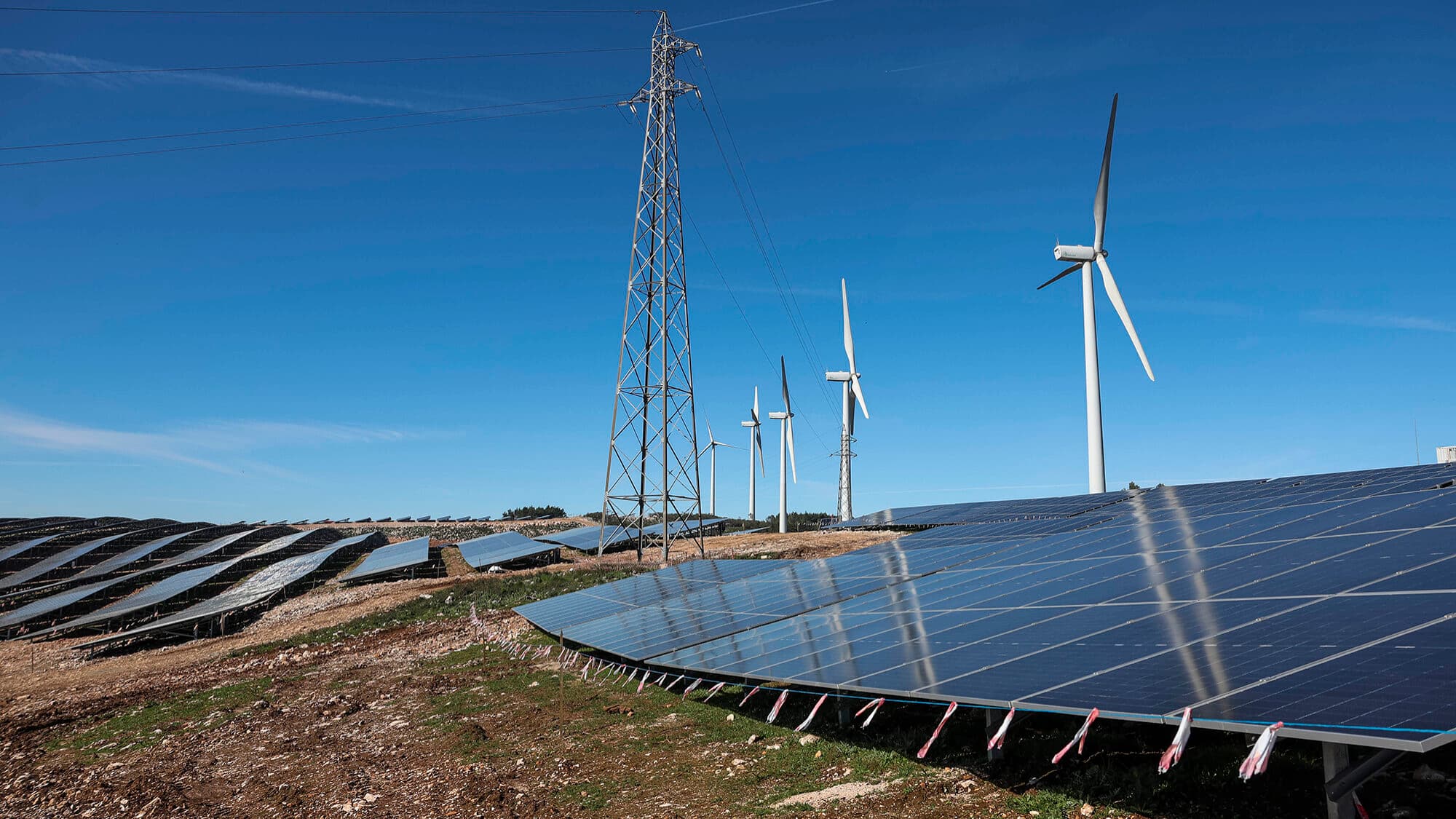
Portugal stands out as a European example in the energy transition. In 2024, renewable sources provided 71% of national electricity, and in some months of 2025, they exceeded 80%. This is a remarkable achievement, but not a final destination. The electrification of the economy, transport, and industry will continue to increase electricity demand.