

Digital sovereignty news in Portugal
Latest news and stories about digital sovereignty in Portugal for expats and residents.
Latest news and stories about digital sovereignty in Portugal for expats and residents.
As European companies and states increasingly seek digital sovereignty to mitigate geopolitical risks and dependency on global hyperscalers, Internet Exchanges are playing a crucial role. By enabling controlled, private data exchange and supporting hybrid and multicloud strategies, these platforms allow businesses to keep critical data within regional jurisdictions while optimizing performance. Projects like the Deucalion supercomputer in Portugal and the push for an Iberian AI 'gigafactory' further underscore Europe's commitment to building independent, high-performance computing infrastructure.
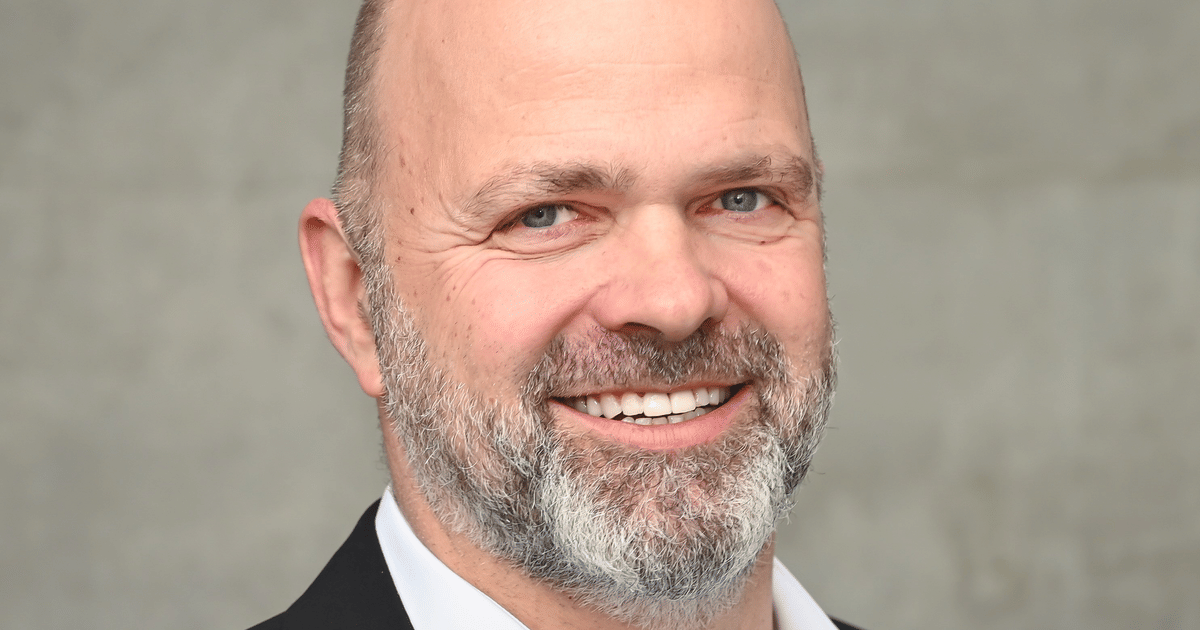
Artificial Intelligence is embedding itself into the heart of European political and administrative power with little public debate. While framed as a drive for efficiency and competitiveness, this shift risks creating a new power architecture that bypasses democratic scrutiny. The article argues that initiatives like the EU AI Act and the Omnibus package, which aim to accelerate legislative processes, may inadvertently reduce civic oversight and increase dependence on major US technology firms. As public administrations rely more on external tech infrastructure and expertise, power is quietly shifting from transparent public institutions to opaque technical circuits, threatening the very democratic control that digital sovereignty is supposed to protect.
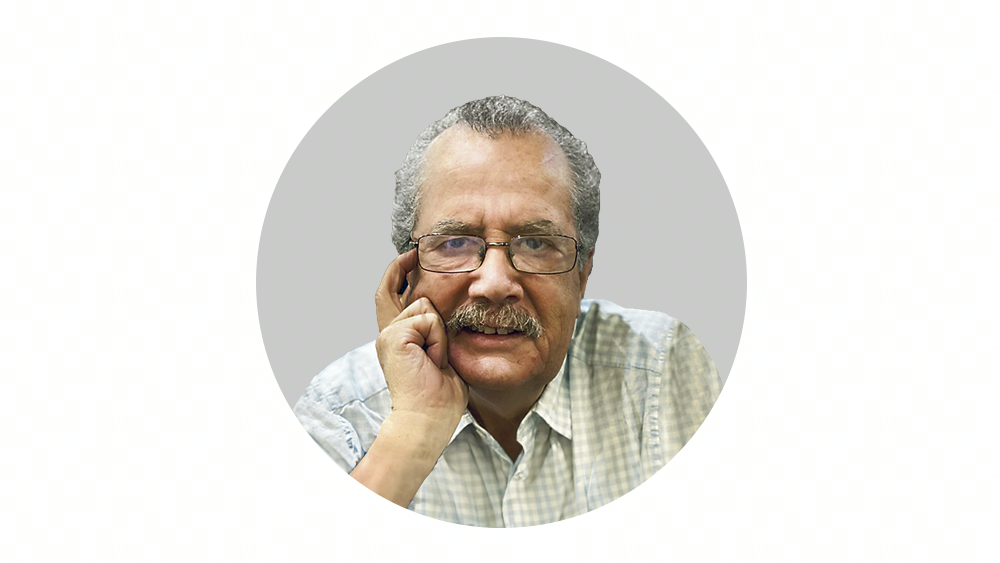
Sovereignty. The geopolitical context highlights the technological fragility of states and companies, which use tools they have little control over. 70% of computing capacity is foreign. Managers say it is an operational risk.

In a geopolitical context marked by instability and shifting alliances, topics such as technological and data control are increasingly crucial for companies and states – particularly in Europe. This was one of the key themes at the CEO AI Forum, organised this morning by Accenture, with Expresso as a media partner.

The executive considers that the country presents a solid set of structural conditions, namely in terms of energy, connectivity, and territorial availability.

The European Commission intends to reduce dependence on technologies from China, the United States and Russia. In France, Google Meet, Microsoft Teams and Zoom have been banned from use in the public sector.
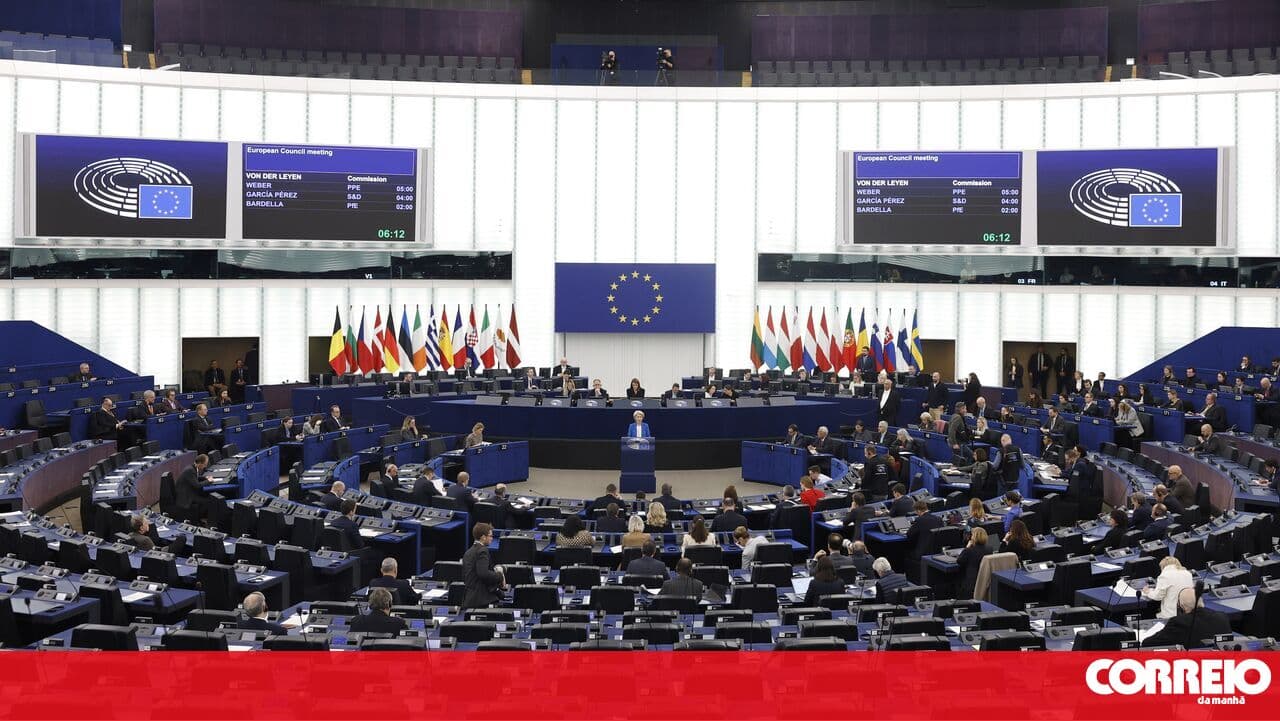
Relying on foreign tech “can be weaponized against us,” says Commission’s Henna Virkkunen.

