

Portugal's arms industry is taking off
Portugal's defense sector is experiencing significant growth, driven by increased NATO integration and a strategic focus on economic development within the arms industry.
Latest news and stories about defense industry in Portugal for expats and residents.
Portugal's defense sector is experiencing significant growth, driven by increased NATO integration and a strategic focus on economic development within the arms industry.
The Portuguese government aims to increase its participation in the European Union's 281 billion euro defence funding initiative.

Rolando Santos spoke about the Tekever AR3, the drone that impressed Russian forces. The CNN Portugal journalist considers this interest in the Portuguese drone, which is widely used by Ukrainian forces, to be “strange”.

A Portuguese company will supply drones to the British Army.

Russian military researchers are to dismantle and study a Portuguese-made reconnaissance drone after it was intercepted largely intact near the Ukrainian border. The Tekever AR3 was brought down over Russia’s The post Russia sends captured ‘Made in Portugal’ drone for military analysis appeared first on Portugal Resident.
A drone produced in Portugal was intercepted and destroyed by Russian forces.
Russia shot down a Portuguese drone and its military personnel were surprised by the device's technology.
Russian forces intercepted and destroyed a “rare” Portuguese drone in the Bryansk region. The Tekever AR3 is manufactured by the Portuguese company of the same name and is used for reconnaissance missions.

Russian forces destroyed a “rare Portuguese reconnaissance drone” from the company Tekever, which supplies these devices to Ukraine, a military official told the official Russian news agency Tass on Monday. The news agency indicated that the Tekever AR3 device, which was intercepted in the border region of Bryansk by an anti-drone battalion, was “transferred to...
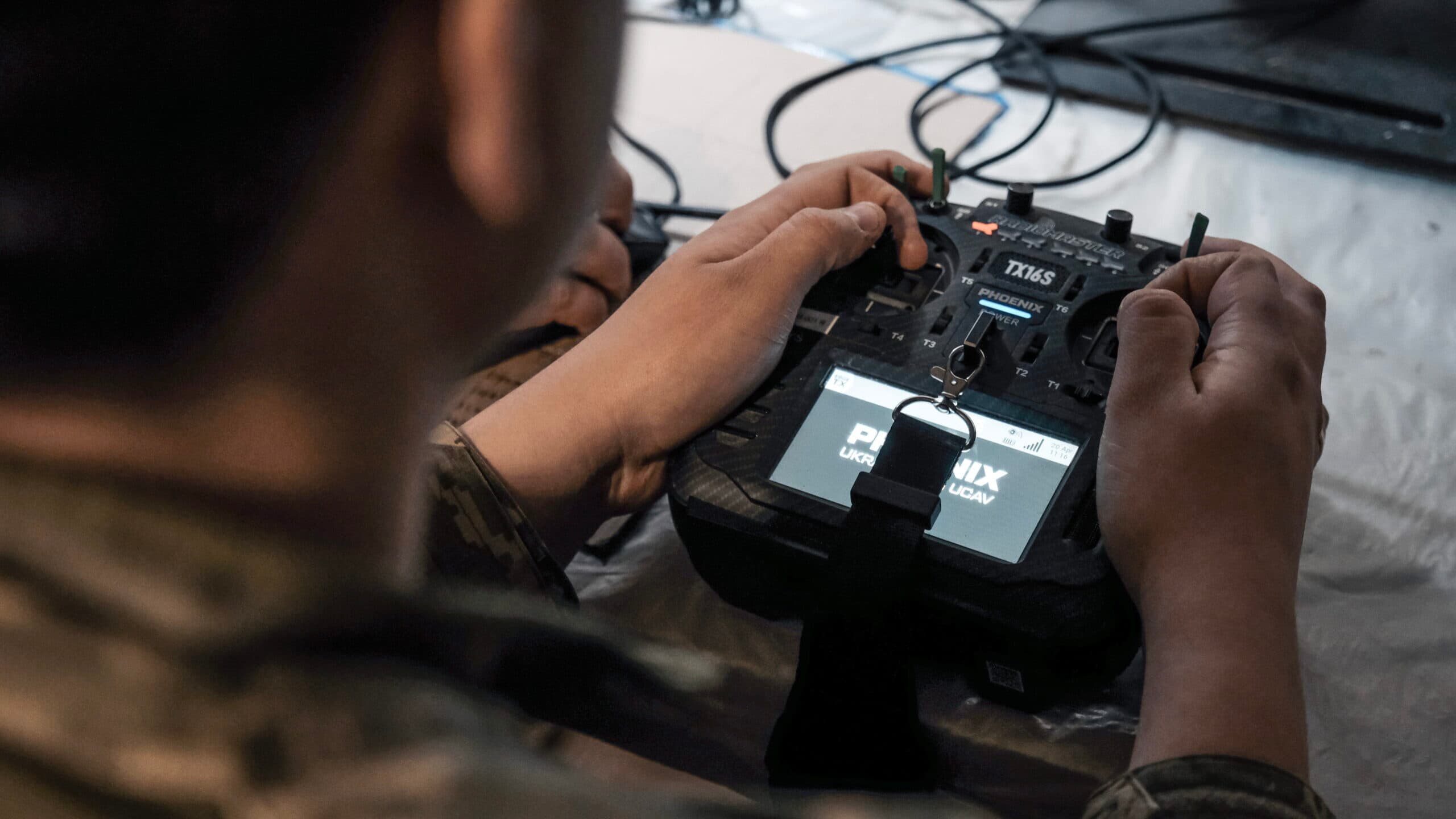
The Tekever device, which was intercepted in Bryansk, was “transferred to a research institute, where experts will study its design, technical specifications, and engineering solutions,” says Tass.

The Portuguese company UAVision has been selected by the European Defence Agency (EDA) to join a group of five companies that will test loitering munitions in an operational environment at the Santa Margarida Military Camp in Portugal during the EU's OPEX26 exercise. Portugal was chosen to serve as an EDA 'field laboratory'.
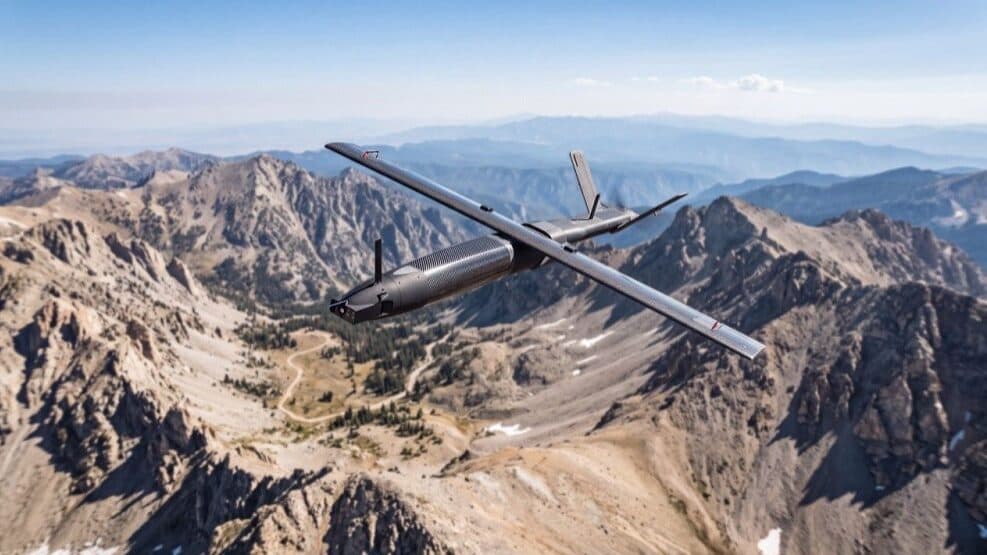
The war in Ukraine has taught us many things, but the most uncomfortable is also the simplest: drones have not only changed the weapons of war, but also who can afford to wage it. With low-cost devices forcing adversaries to spend millions on countermeasures, the conflict has become a war of attrition decided by industrial capacity rather than technological superiority. The author argues that Europe must learn to produce low-cost, mass-integrated systems to maintain its defence, and highlights that Portugal has the engineering talent and emerging drone industry to build sovereign capacity through public-private partnerships, particularly for maritime surveillance.
European missile manufacturer MBDA is developing a new interceptor system to combat mass drone attacks and other low-cost munitions, at a time when current geopolitical conflicts are accelerating the development of more economical and effective air defence systems. The Counter Mass Interceptor, which is expected to be unveiled...
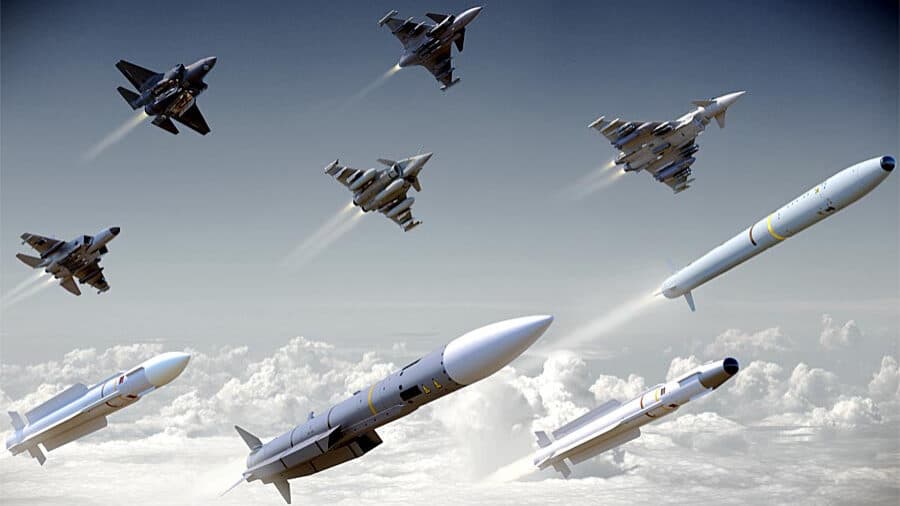
When discussing defence, the debate tends to focus on platforms, weapon systems, or digital technologies. However, before any capability exists on the ground, at sea, in the air, or in space, there is an essential question: what materials is it made of? The answer determines the weight, resistance, autonomy, and...

NATO is gathering entrepreneurs and partners who want to invest in the defence industry at a special forum in Ankara this Tuesday.
The Portuguese defence industry is growing in the areas of drones, artificial intelligence, and new technologies, but still has room to gain more weight internationally. At the CNN Portugal Summit, representatives from OGMA, TEKEVER, Beyond Vision, and the Air Force highlighted the potential of national companies and the impact that new forms of warfare are having on technological development and air defence.

The Portuguese Army is deploying domestically developed drones for a NATO mission for the first time.
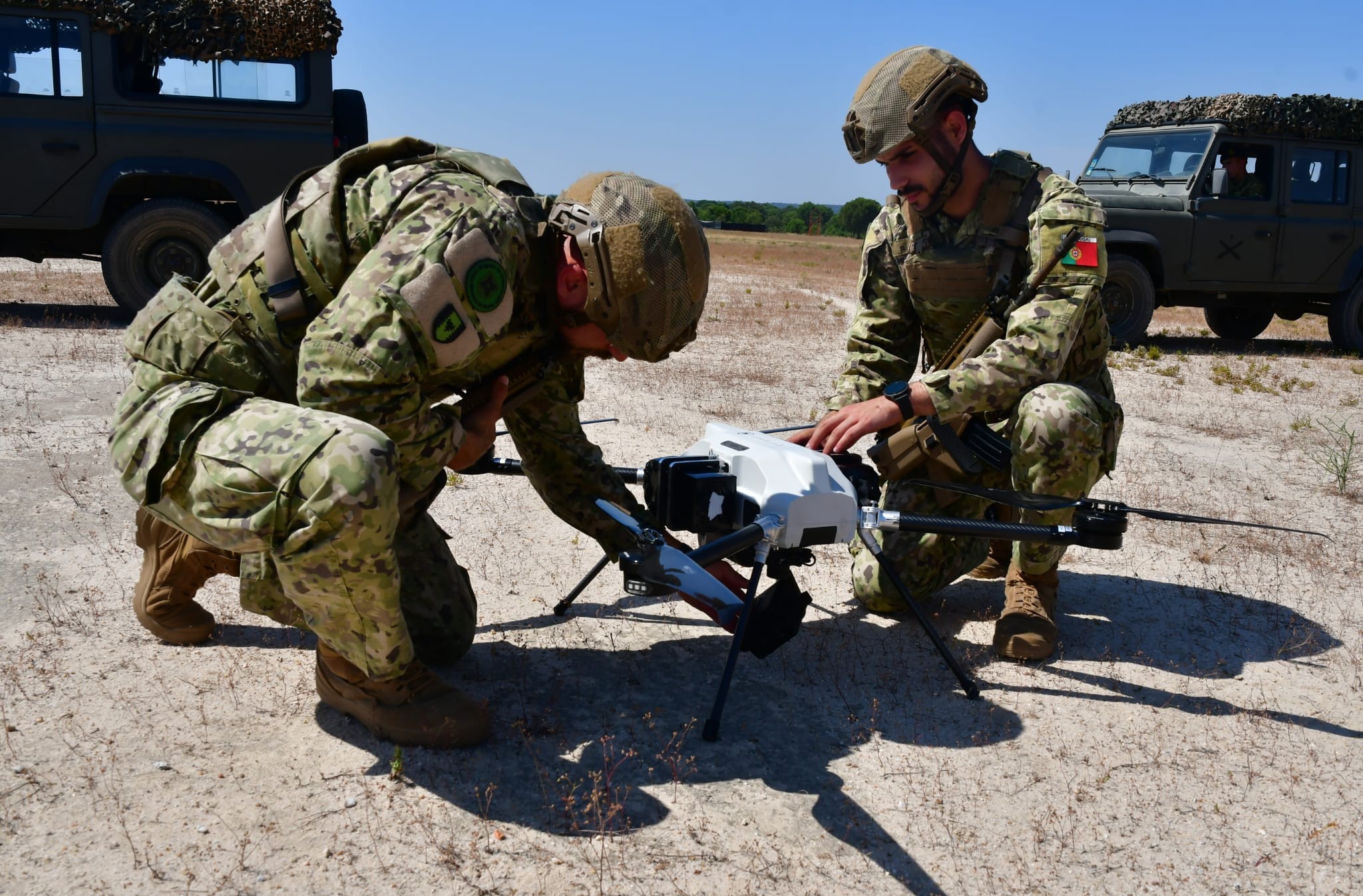
Two drone prototypes developed with the Portuguese industry will head to Slovakia in June, where they will be tested in an operational context within the NATO Battlegroup led by Spain.
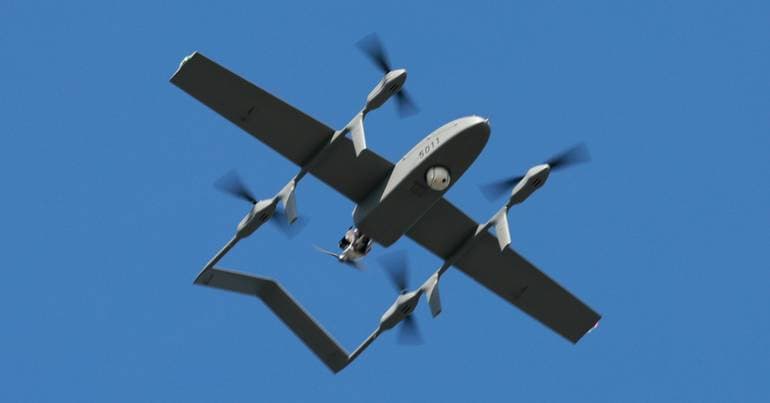
Portugal presented the capabilities of its national defence industry in Brussels. “What we brought here was Portuguese talent, Portuguese innovation,” highlighted the Portuguese Ambassador to NATO, Paulo Vizeu Pinheiro.
Portugal presented the capabilities of its national defence industry in Brussels. “What we brought here was Portuguese talent, Portuguese innovation,” highlighted the Portuguese Ambassador to NATO, Paulo Vizeu Pinheiro.
The alliance calls for increased production and investment in the innovation of SMEs and start-ups

Portugal went to show its worth at NATO headquarters in Brussels, with more than 40 companies from the sector.

Tekever, a national technology company based in Caldas da Rainha with engineering centres in the United Kingdom and France, is an essential case study in the European defence and security ecosystem.

On the sidelines of the AED Days, organised by the AED Cluster Portugal, the Director-General of the Directorate-General for Armaments and Defence Infrastructure (DGAPDN), António José Batista, spoke to ECO about strengthening the defence economy, the role of Portuguese companies in European value chains, and the challenges of accelerating modernisation and...

The German defence firm Diehl Defence is actively seeking partnerships in Portugal, with a particular focus on the drone industry.

Canadian officials identify a favourable environment for strengthening bilateral cooperation with Portugal.

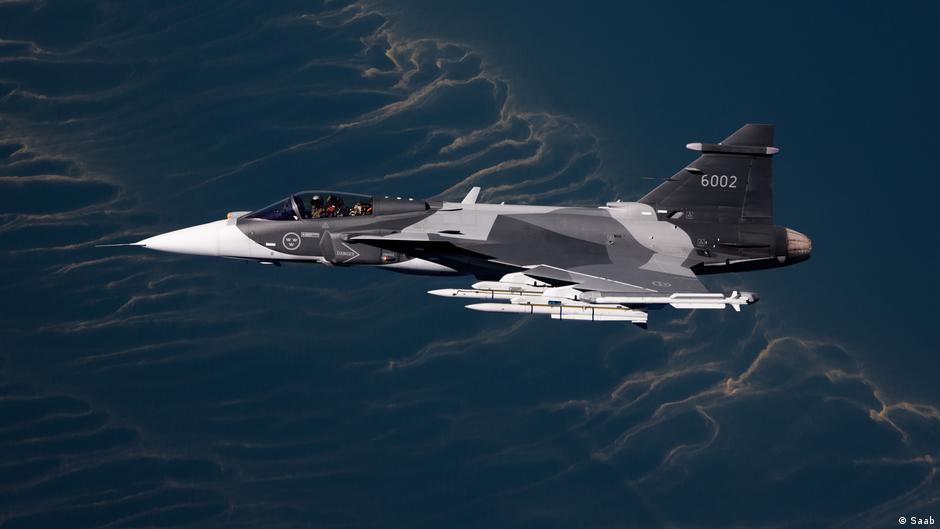
With the three candidates for the F-16 replacement promising to invest in the national industry, the Portuguese aerospace and defence sector is awaiting a swift decision from the Government.

“The Portuguese defence ecosystem exists, and we plan to make the most of it,” guaranteed Rob Weitzman, Director of International Business Development for the F-35 at Lockheed Martin, during the “AeroSpace Advantage – Mission-Ready Capability through Industrial Integration” panel, which took place this Thursday at AED Days in Estoril. At a time when there is anticipation for...

Lockheed Martin opens the door to including Portugal in the production chain of its fifth-generation fighter, a candidate to replace the F-16s.

