Latest news and stories about criminal investigation in Portugal for expats and residents.
This page has only 1 story and is not indexed by search engines.
A dispute between the victim's father and the suspect — which the lawyer had tried to mediate — is believed to be behind the crime.

The case has been transferred to the Judiciary Police and the causes of the incident are being investigated. The woman is under the supervision of the authorities.

PRESS REVIEW || A victim with drug addiction alleges a scheme of torture and rape carried out by PSP (Public Security Police) officers.

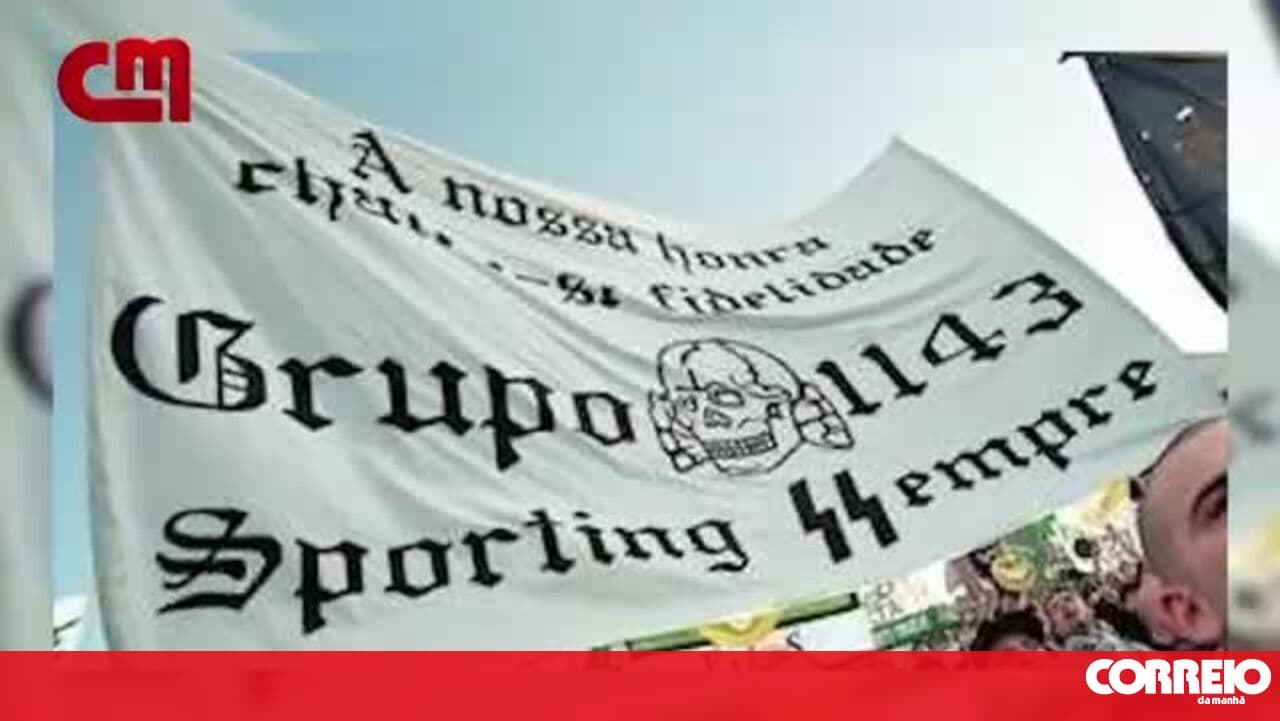
'Público' reports that the Public Prosecutor's Office (MP) accused the 'gansos' of attempting to conceal the origin of more than one million euros.

In the 19:00 bulletin, a police association expressed visible discomfort regarding allegations that two PSP officers are charged with crimes of torture and rape, highlighting internal unease and concerns about accountability.

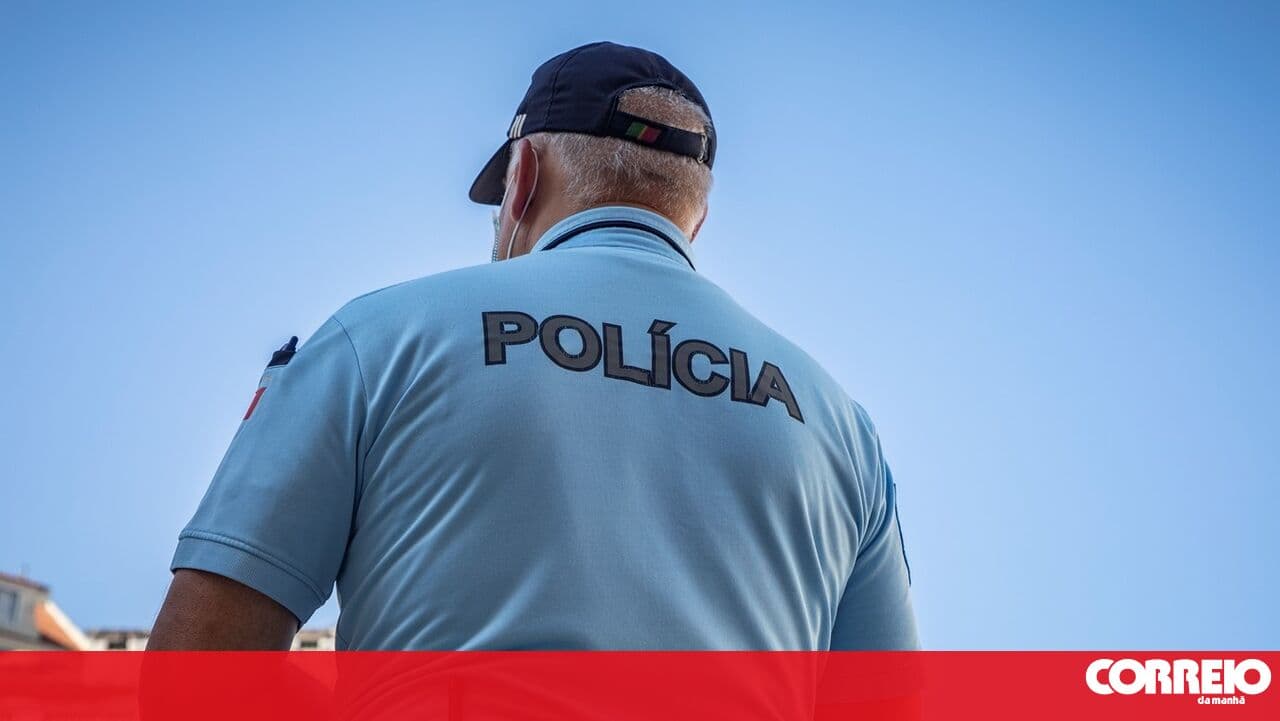
Reports say two Polícia de Segurança Pública officers, aged 23 and 26, have been accused by the Public Prosecutor’s Office of dozens of crimes including torture and sexual violence allegedly committed in police stations; several others are named as co‑perpetrators. The PSP says it regrets the events and has carried out an internal investigation as the criminal case proceeds. The allegations have raised questions about police conduct and oversight; anyone with concerns about detention or police practice should follow official case developments and rights‑advice channels.
Update: The Public Prosecutor’s Office now says its inquiry suspects more than ten officers were involved in violent assaults at two Lisbon police stations and that the circulation of torture images implicates upwards of 70 officers; two people have been formally named as suspects in connection with the images and assaults.

The PSP (Polícia de Segurança Pública) is Portugal's national civilian police force, founded in 1867. Responsible for defending Republican democracy and safeguarding internal security and citizens' rights, the PSP polices major cities—Lisbon, Porto, Faro—and large urban areas, covering only 4% of Portugal's territory but roughly half the population. Led by a National Director under the Ministry of Internal Affairs, its approximately 21,500 officers handle preventive policing, crime investigation, public order, airport security, diplomatic protection, private security regulation, firearms licensing, and border control (since 2023).
PSP vs. GNR: The PSP is civilian with police-focused training and urban jurisdiction, while the GNR (Guarda Nacional Republicana) is military (gendarmerie) with military training, covering 96% of Portugal's rural and suburban territory. Both share core public safety missions but differ fundamentally in nature, training, and geographic responsibility.
The Public Prosecutor’s Office (Ministério Público) is Portugal’s state prosecution service responsible for investigating crimes, bringing criminal charges and representing the state in court; it is institutionally independent from the police and is led by the Procurador‑Geral da República (Attorney General). In the story it is the body accusing two officers, so residents and those interacting with law enforcement should know that criminal allegations are pursued and prosecuted by this office.

Bloco de Esquerda has asked for an urgent hearing with the Interior Ministry after reports of alleged police violence at the Rato police station; parties are seeking ministerial answers and potential oversight measures. Media coverage highlights political pressure on the Ministério da Administração Interna (MAI) to explain events and any disciplinary steps. Those concerned about policing and civil‑liberties oversight should follow parliamentary developments and local reporting.
The Left Bloc (Left Bloc (Bloco de Esquerda)) is a Portuguese left-wing party founded in 1999 that campaigns for progressive policies such as stronger social welfare, workers’ rights and more public services. Expats who follow Portuguese politics should note the Bloco often influences coalition talks and debates over healthcare, housing and labour regulations.

The Left Bloc achieved its worst result in history in 2025, dropping from 5 seats to just 1. Mariana Mortágua, who led the party from May 2023, resigned in October 2025 after failing to reverse the party's electoral decline. Founded in 1999 as a coalition of far-left parties, BE was once the third-largest force in Portuguese politics and a key partner in the 2015-2019 Geringonça government.

One of the reported cases involves a Moroccan man who was allegedly sodomised with a baton by one of the suspects and beaten.