73% of consumers in Portugal prefer artisanal products, study reveals
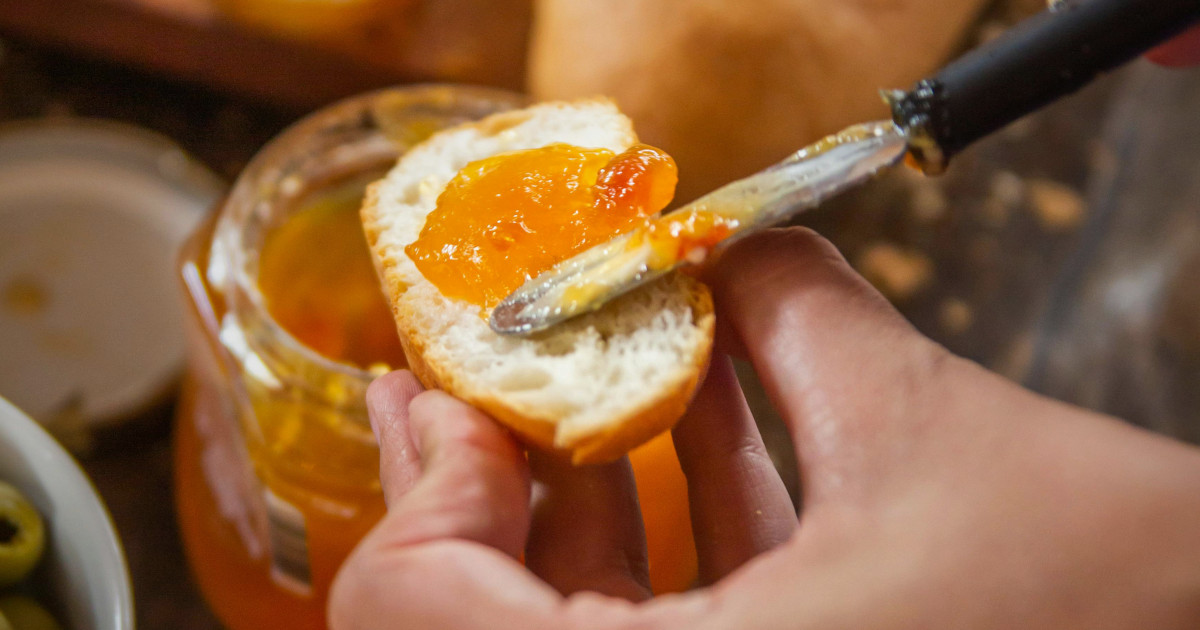
A study indicates that nearly three-quarters of Portuguese consumers favour handmade or artisanal goods.
Latest news and stories about consumer trends in Portugal for expats and residents.
A study indicates that nearly three-quarters of Portuguese consumers favour handmade or artisanal goods.
The emergence of GLP-1 based medications is not just a medical or pharmaceutical phenomenon. It is increasingly an economic phenomenon with profound implications for the consumer goods sector. For decades, the FMCG universe was structured around a simple assumption: growing through increasing consumption occasions. However, what these...

With the increasing digitalisation of daily life, the way consumers make decisions is changing. But this evolution raises a question: is technology replacing trust in traditional institutions? In this episode, we analyse what the data says and how the Portuguese are balancing the digital with the human factor in their daily decisions.

The pet industry in Portugal is experiencing growth, yet it fails to fully align with the evolving needs and expectations of its current consumer base.

The pet industry in Portugal generates an annual revenue of 681 million euros.


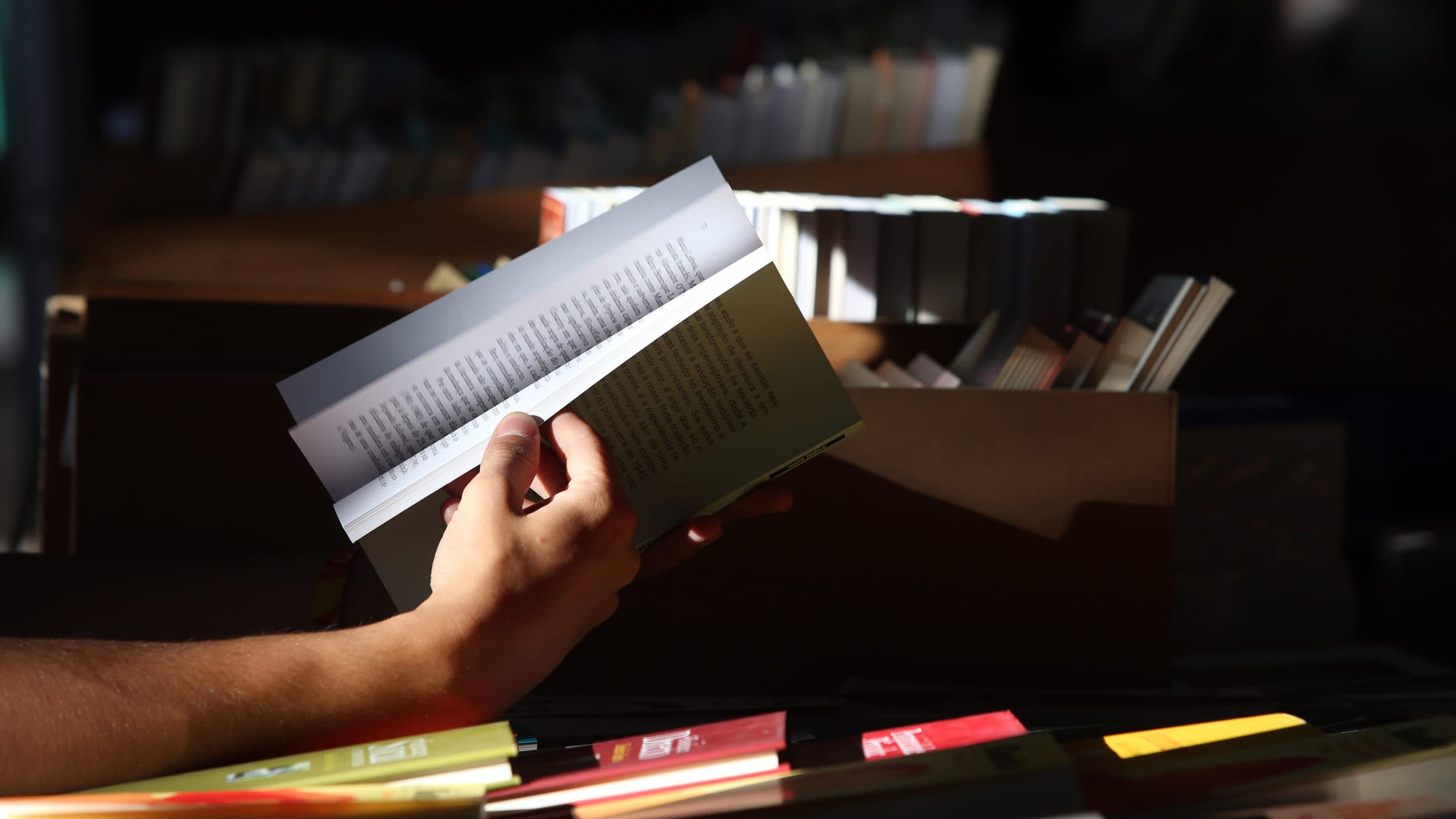
Book sales in Portugal in the first quarter of this year grew by 2.6% compared to the same period in 2025, which translated into the sale of more than 3.2 million books. According to the figures announced this Friday by the Portuguese Association of Publishers and Booksellers (APEL), between January and March of this year...
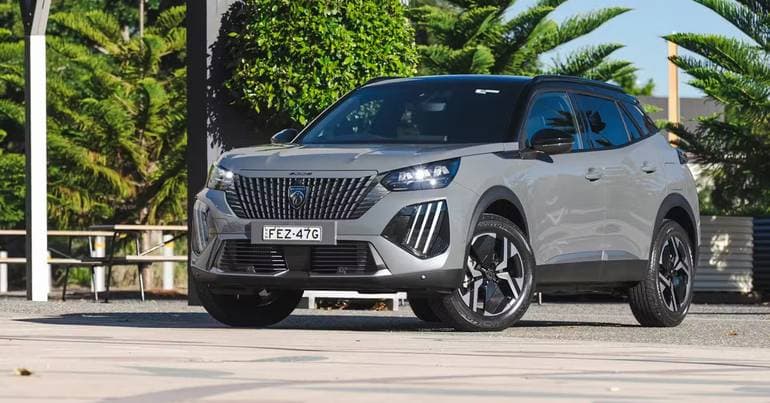
Car sales in Portugal grew by 8.8% in the first quarter of the year, with 73,753 units sold. Hybrids were the best-selling, followed by electric and petrol vehicles.
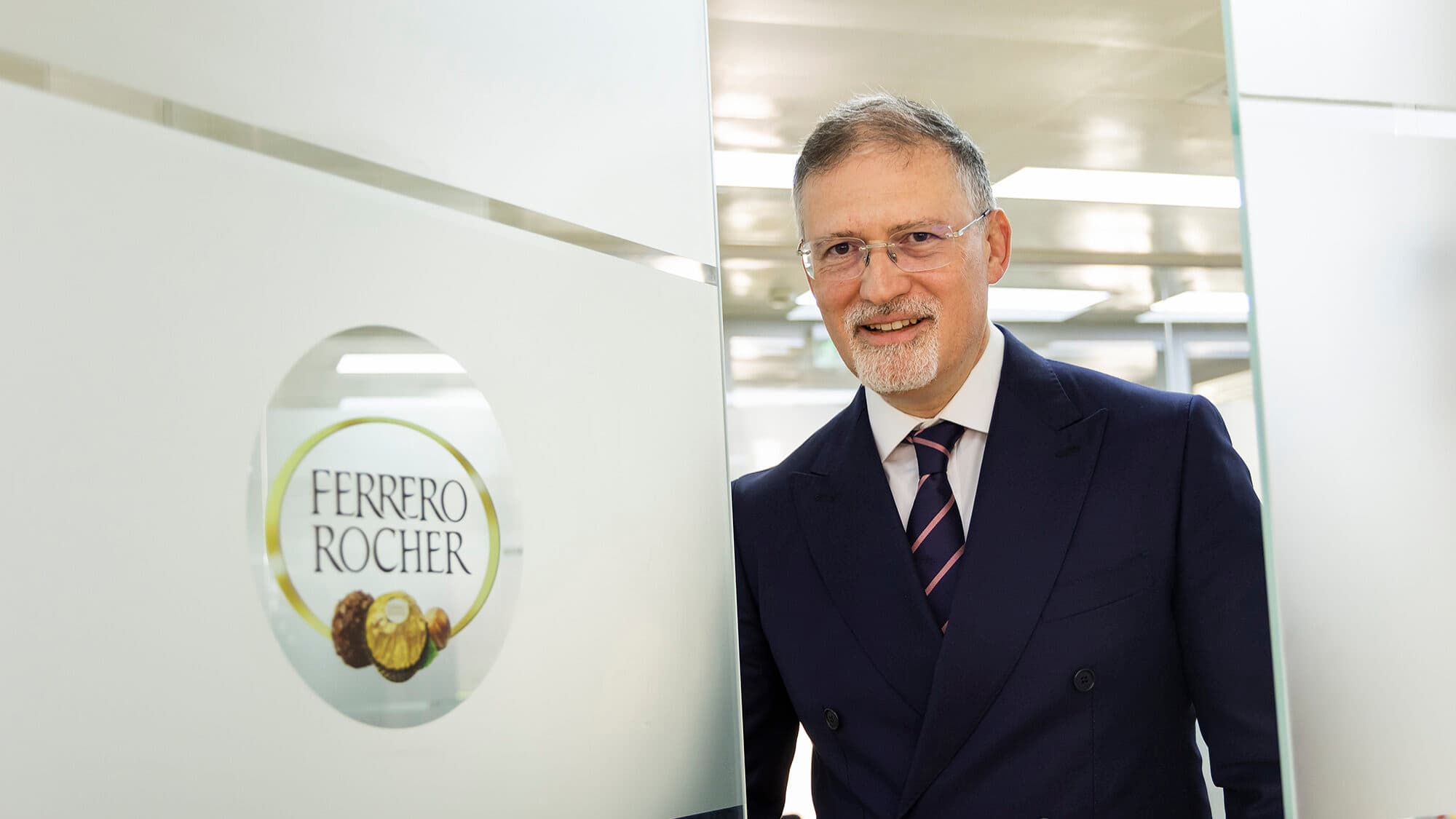
Ambrósio, I would like to have an Easter where the Portuguese satisfy their desire for refinement. This is the main request from the Italian group Ferrero, which anticipates a rush for chocolates and eggs to fill the table this Sunday to the point of surpassing the Christmas season. The company owns brands such as Kinder, Ferrero Rocher, Nutella, and others.
A study states that 93% of Portuguese people consider new cars too expensive, which leads more than half (53%) to purchase a used vehicle. It also outlines the main reasons for this choice.

The Portuguese market is quietly transforming. It is visible in demographic statistics and political debates, but above all, in the place where economic changes become most apparent: consumption. On supermarket shelves, in family kitchens, and in shopping carts, a new portrait of the country is emerging: younger and more diverse.
A 1961 Mercedes-Benz 190 SL was purchased for 73,000 euros, a painting by Mike Bidlo titled Not Pollock (Umber over Yellow over Blue over Violet over Red over Black) for 10,000 euros, and a porcelain piece, Twisting Back, Multiplying, by Harumi Nakashima, for 8,800 euros. These three sales are among the...

With around half a million documented Brazilians living in Portugal — according to 2024 official data — the supermarket chain has a catalogue of about 500 products from Brazil in its stores.

The consumption of bottled water in Portugal has been rising over the last decade. Still water is the undisputed preference, but sparkling water is gaining ground.

In a market where attracting a new customer costs seven times more than retaining an existing one, the Portuguese fashion brand Quebramar generated 6.5 million euros in two months by focusing on its own database.

We are living in a moment of profound evolution in consumer behaviour, not just in quantity, but in meaning. In 2026, the relationship with spirits is no longer linear: it is no longer just about tradition or alcohol content, but a complete experience that combines purpose and a deep thirst for experimentation. The consumer...