

António José Seguro challenges young people to change politics and the future of Portugal
António José Seguro encourages the youth to take an active role in shaping the political landscape and the future of the country.
SIC Notícias

Latest news and stories about civic participation in Portugal for expats and residents.
António José Seguro encourages the youth to take an active role in shaping the political landscape and the future of the country.
The article discusses the launch of 'Babell', a cultural event in Porto where the price of admission to sessions is the purchase of a book. The author argues that culture is a structural necessity rather than a luxury, and praises the initiative by the Livraria Lello Foundation and the Porto City Council for using literature as a tool for civic participation and resistance against conformity. The piece also criticizes the recent decision to make Saramago's works optional reading in schools.
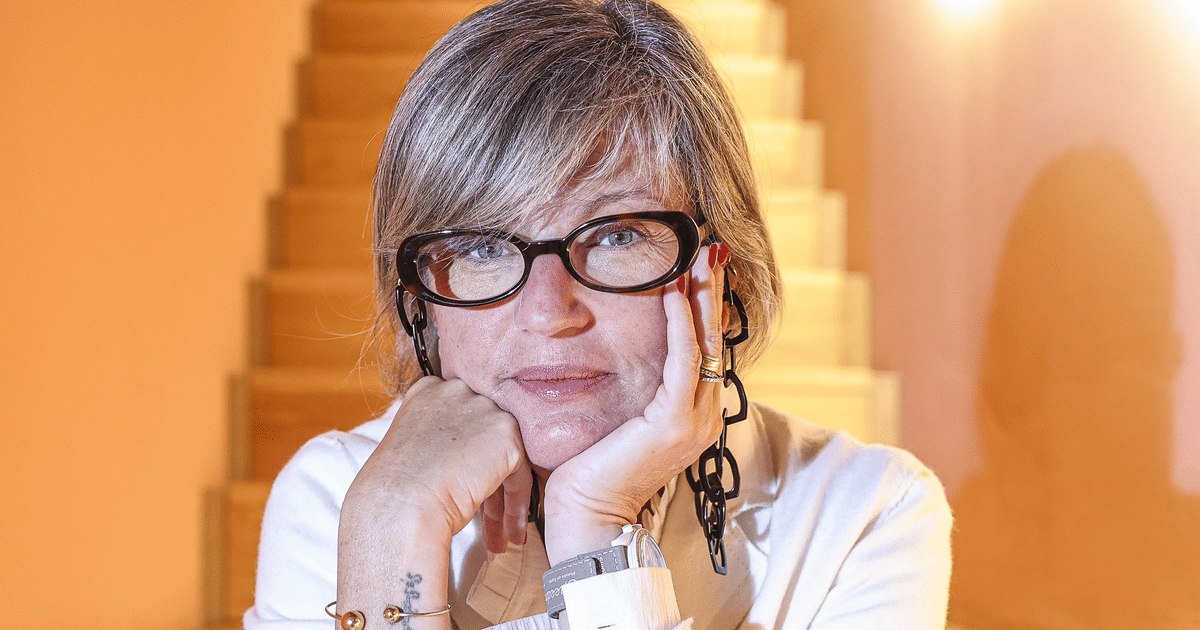
The Local Citizens' Council aims to “establish itself as a structured space for civic participation, bringing citizens closer to municipal decision-making processes.” It was approved unanimously.

Fifty years after the 25th of April, civic participation in municipalities is increasing and diversifying, but it maintains social and territorial inequalities and remains dependent on political cycles.

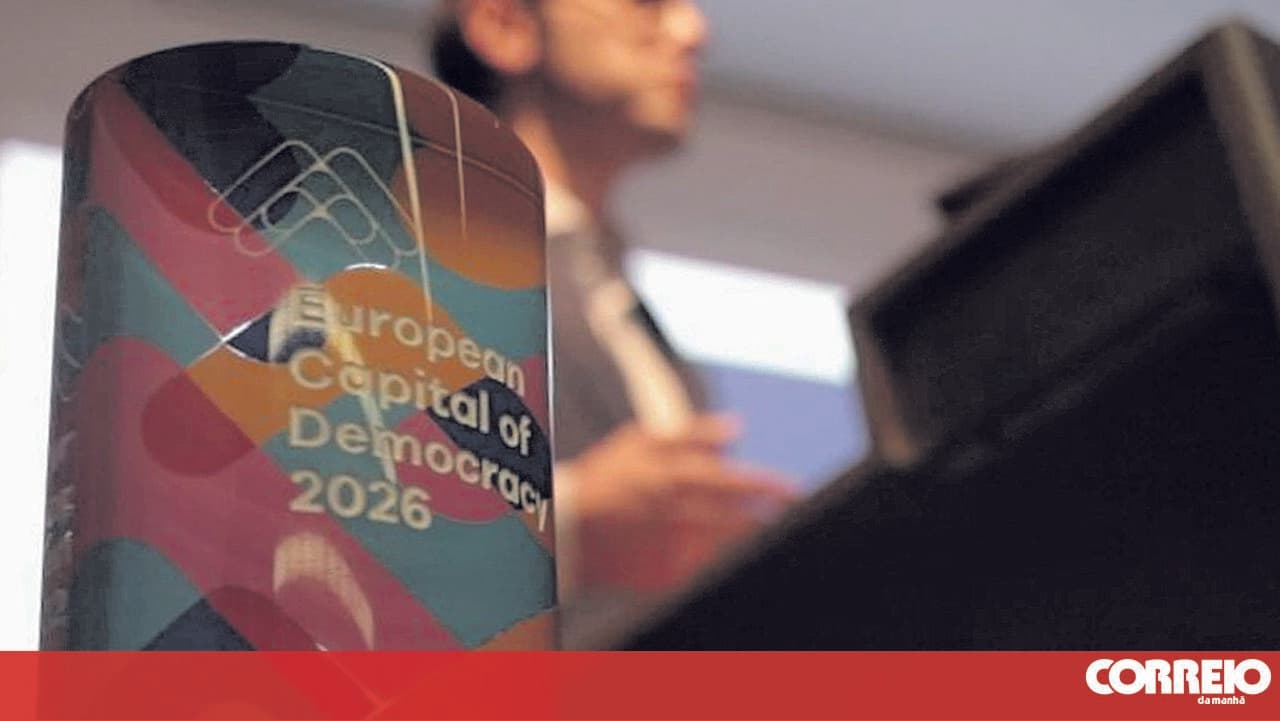
In 2026, Cascais will take on the role of European Capital of Democracy, encouraging citizen involvement in public life.
Asks whether public art is primarily for tourists and outlines ways to engage local communities so public artworks contribute to more liveable, inclusive and people-centred urban spaces.

When state power responds to a parody with the force of the judicial system, the issue is not the honour of an office but an attempt to create a “chilling effect” on civic participation in the public sphere.

Five PS councillors wanted all the municipality's ordinary meetings to be opened to public participation and streamed live on the council's digital platforms.
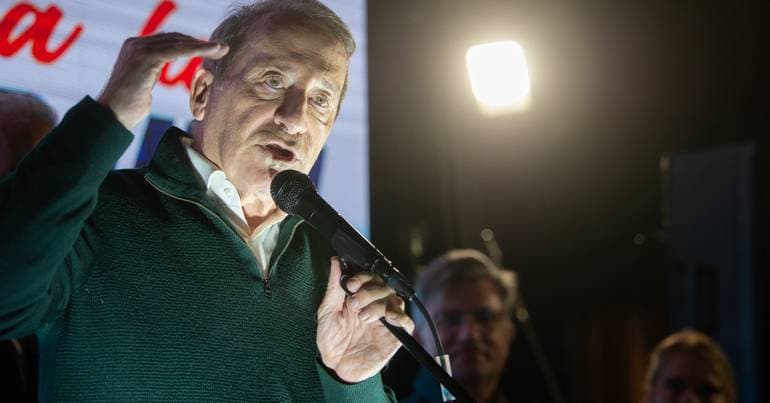
In the Porto district, turnout is highest in the municipality of Maia and specifically in the parish of Milheirós, where the participation rate is greatest. Because “people are informed”.

In the municipality with the highest abstention rate in the country in the 2021 presidential election, João Vieira voted for the first time at 38. “I voted certain that I have a clear conscience,” he said.
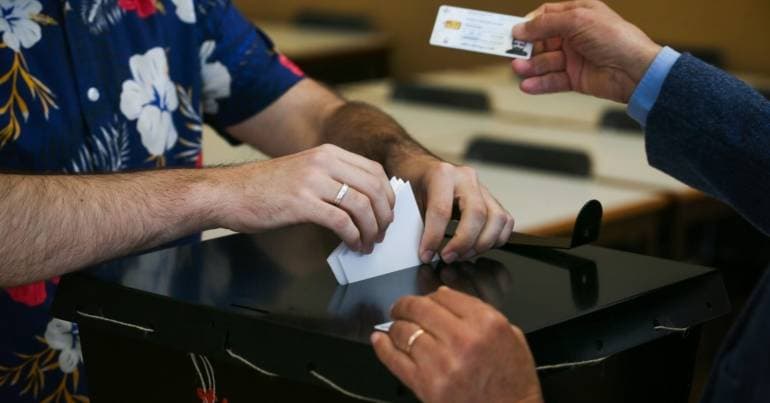
Almost all the candidates in Belém also chose to vote in the morning. A call for greater civic participation was the most common message.
The presidential candidate has already voted this Sunday and urged people to exercise their right to vote.
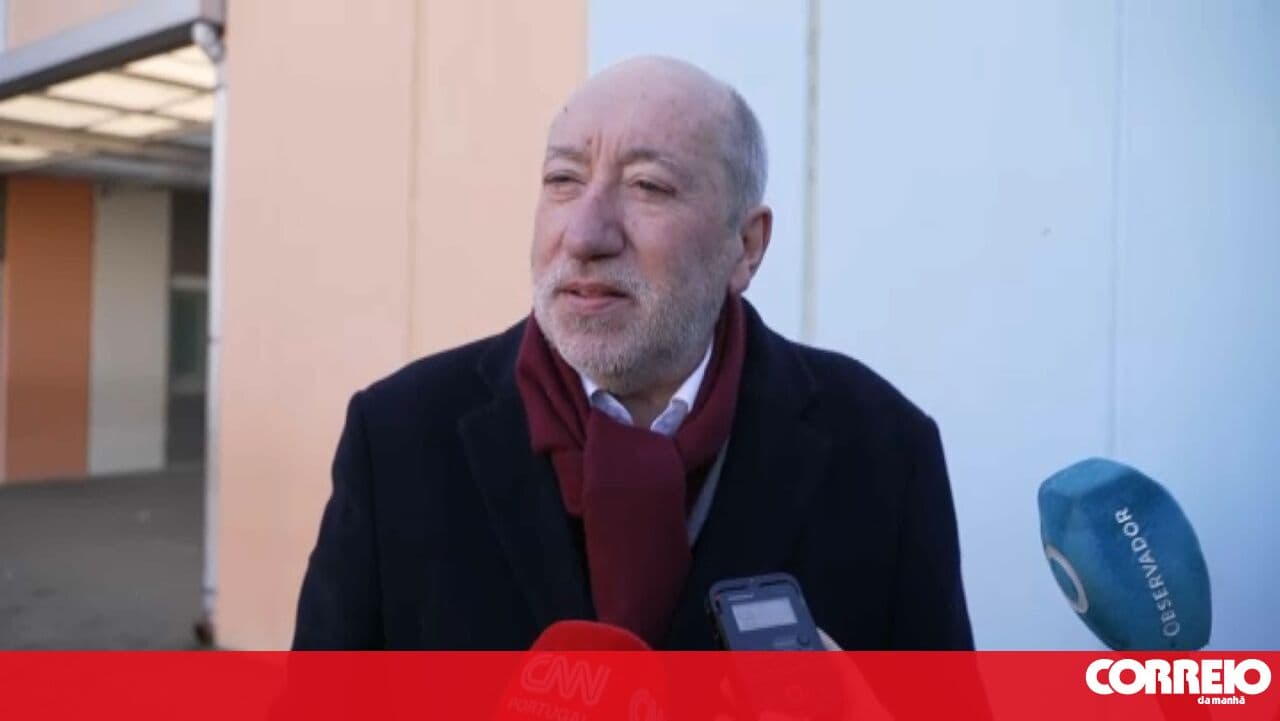
The solution, they argued, “cannot be only about security and defence; it also inevitably involves greater participation, stronger civic responsibility and more information.”
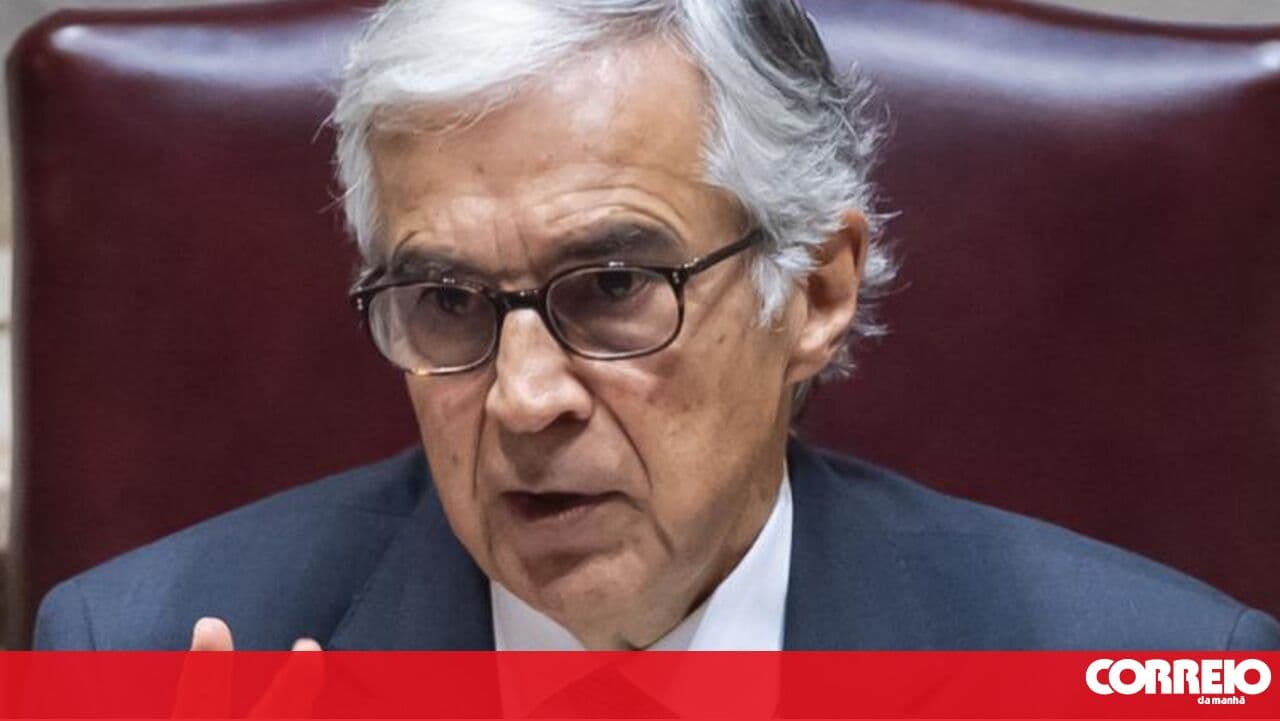
The President emphasised that early voting is a “contribution” to democracy.
An editorial arguing that voting only serves a purpose when guided by good, well-founded criteria and judgment.
