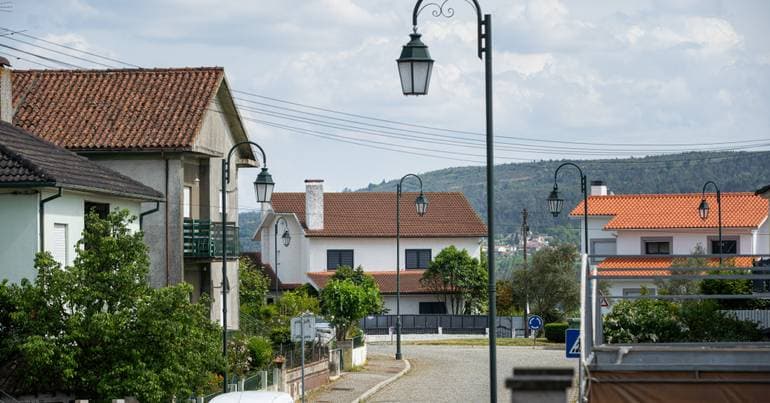
A Judicial Police investigation was opened a month ago after the market appearance of a small portion of the 278 seized works raised suspicions. A septuagenarian from Penalva do Castelo was found selling them.
Few neighbours knew what he did, only that he was the employer of another local man. When he died, the house passed to the butler, who was caught while trying to sell works of art to France.
The authenticity of the pieces has yet to be confirmed. The owner has already passed away, but it is suspected that he was linked to international money laundering.
A massive art seizure was carried out from an employee of a US citizen who died two years ago. There are also archaeological and architectural works from various eras.
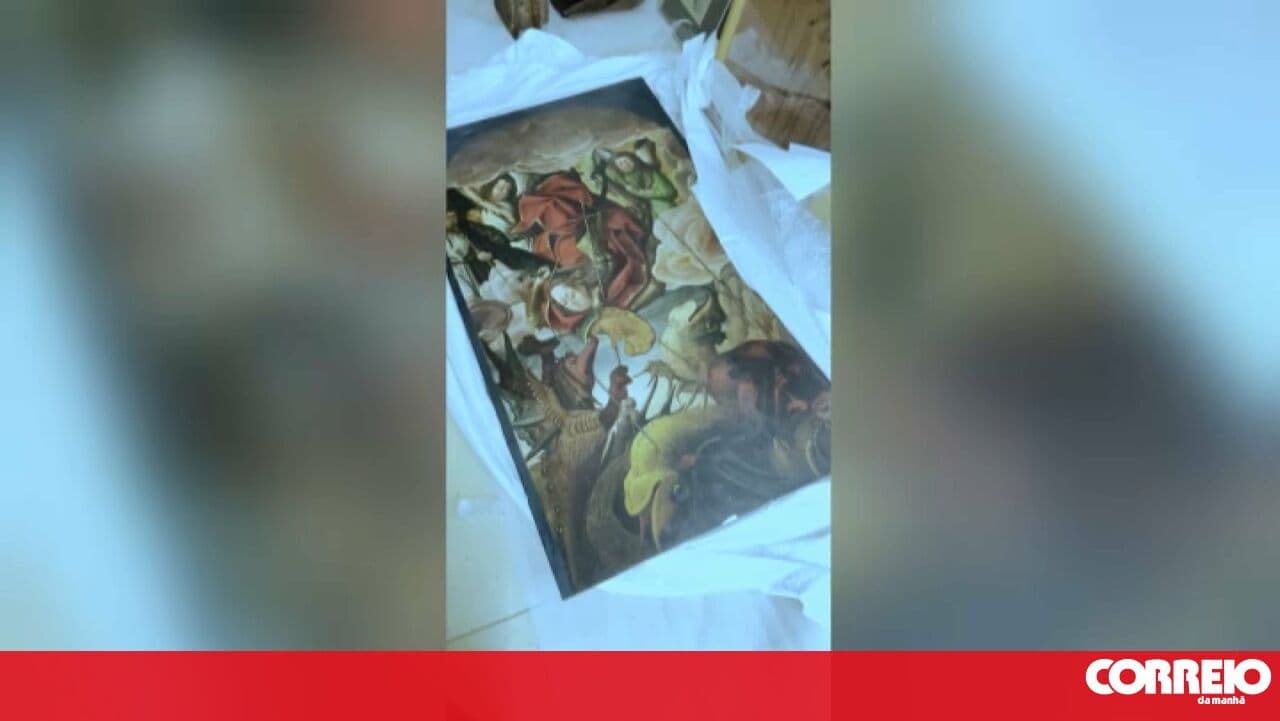
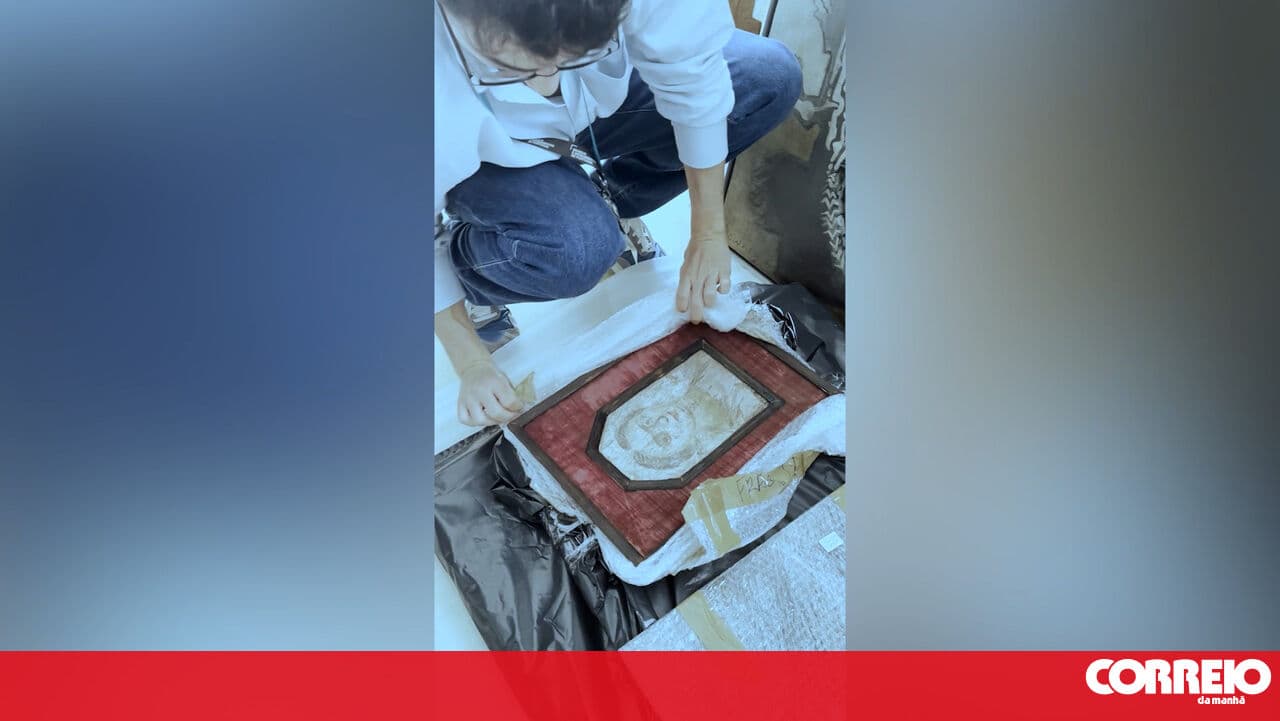
The Judiciary Police (PJ) recovered 278 works of art, allegedly belonging to an American citizen who passed away in 2024, which were in the possession of a former employee. Among the seized items, artworks were identified as allegedly created by 27 different authors, namely Pablo Picasso, Joan Miró, David Hockney, Albrecht Dürer, Pierre Bonnard, and Juan Downey. The items include paintings, lithographs, serigraphs, sculptures, and archaeological objects, among other cultural assets, with some appearing to be artistic and architectural productions from the 'Before Christ' (B.C.) period, spanning Prehistory and Antiquity. The collection includes sculptures dated between the 1st century B.C. and the 18th century, as well as archaeological artifacts from the Neolithic and Greco-Roman periods, and from various origins such as Persia, the Middle East, Central and South America, Africa, China, and Syria. The recovery of these works followed a series of searches, both residential and non-residential, in Penalva do Castelo, in close collaboration with experts from the Machado de Castro National Museum. Investigations are ongoing, with the inquiry led by the Viseu DIAP.