Milreu Roman Ruins close to the public for works
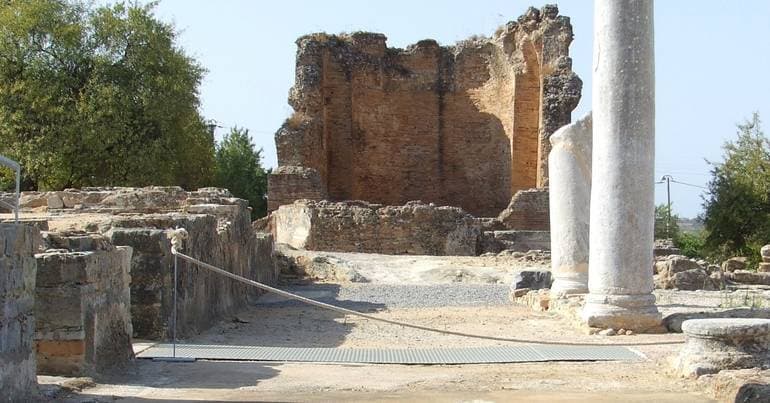
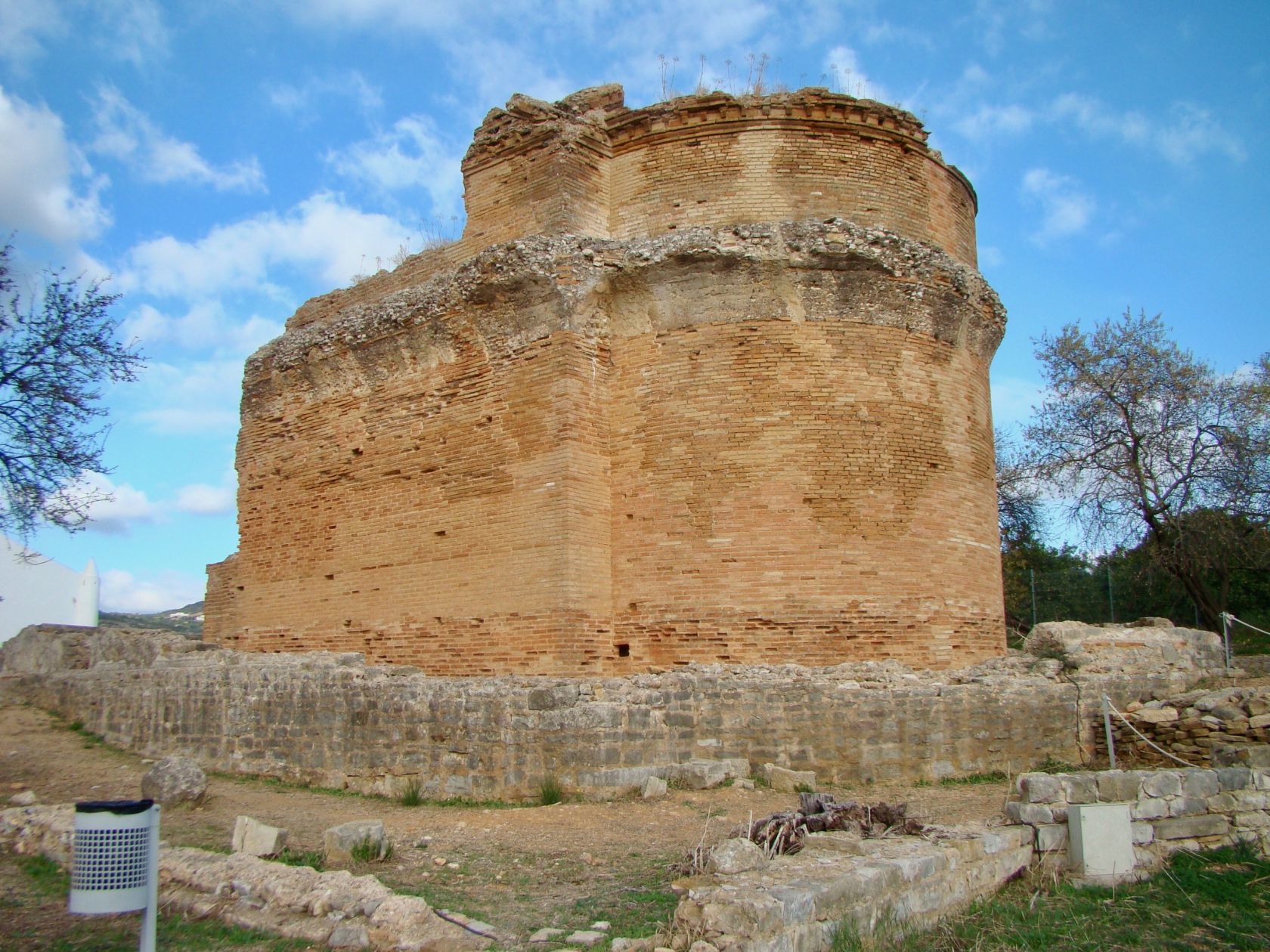
The archaeological site of Estoi, one of the most visited in the Algarve, is closing for the refurbishment of the interpretation centre and to improve accessibility to the national monument.

Latest news and stories about archaeology in Portugal for expats and residents.
The archaeological site of Estoi, one of the most visited in the Algarve, is closing for the refurbishment of the interpretation centre and to improve accessibility to the national monument.


In Portugal this Friday to give a lecture for the International Day for Monuments and Sites, Isabel Izquierdo, director of the National Archaeological Museum of Spain, spoke exclusively with Expresso about “the work, the present and the future”

The archaeological classification of 'Fonte do Soldado' is due to “several particularities” of the settlement discovered halfway between the hillforts of Ul and Recarei, according to the Azeméis municipality.

The Carthaginians were known for using elephants as 'war machines' in their armies.

In this episode of ‘Histórias de Lisboa’, journalist Miguel Franco de Andrade speaks with archaeologist Lídia Fernandes, Coordinator of the Roman Theatre Museum, about the monument that is a “sleeping giant” on the hill of the Lisbon Castle.

This Thursday at 7 pm, artificial light will illuminate the rock art of Alcongosta. The Santa Bárbara engravings prove the central role of Cova da Beira in prehistory.

From the burial site to the bullet near the chest, everything suggests that the skeleton found under the floor of a church belongs to the world's most famous musketeer. The researcher is awaiting DNA tests.

There are images that help explain the theory

In this episode of 'Histórias de Lisboa', journalist Miguel Franco de Andrade talks to archaeologist Elisa de Sousa about the extraordinary journey of the Phoenicians from the eastern Mediterranean to found the city of Lisbon!

In this episode of A História Repete-se, Margarida de Magalhães Ramalho and Lourenço Pereira Coutinho speak with historian Santiago Macias, former director of the Mértola archaeological site, former mayor of Moura, and current director of the National Pantheon, about the centuries-long Islamic presence in the territory that is now Portugal.

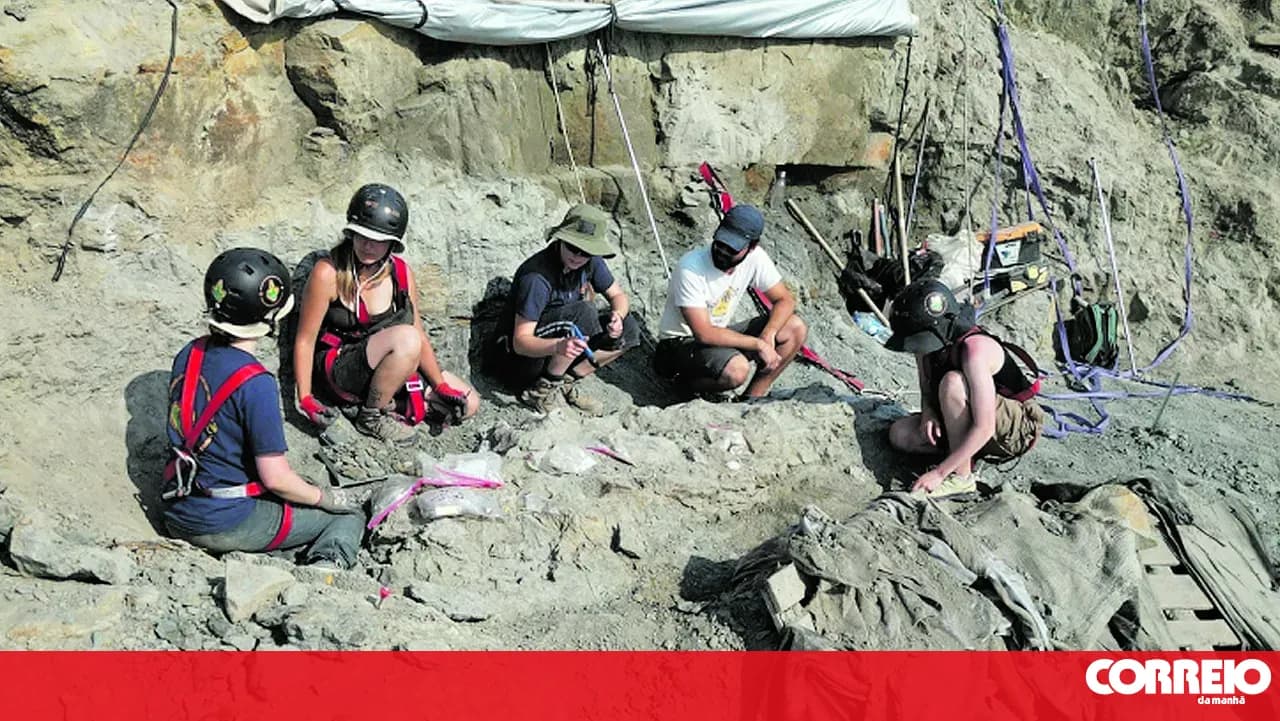
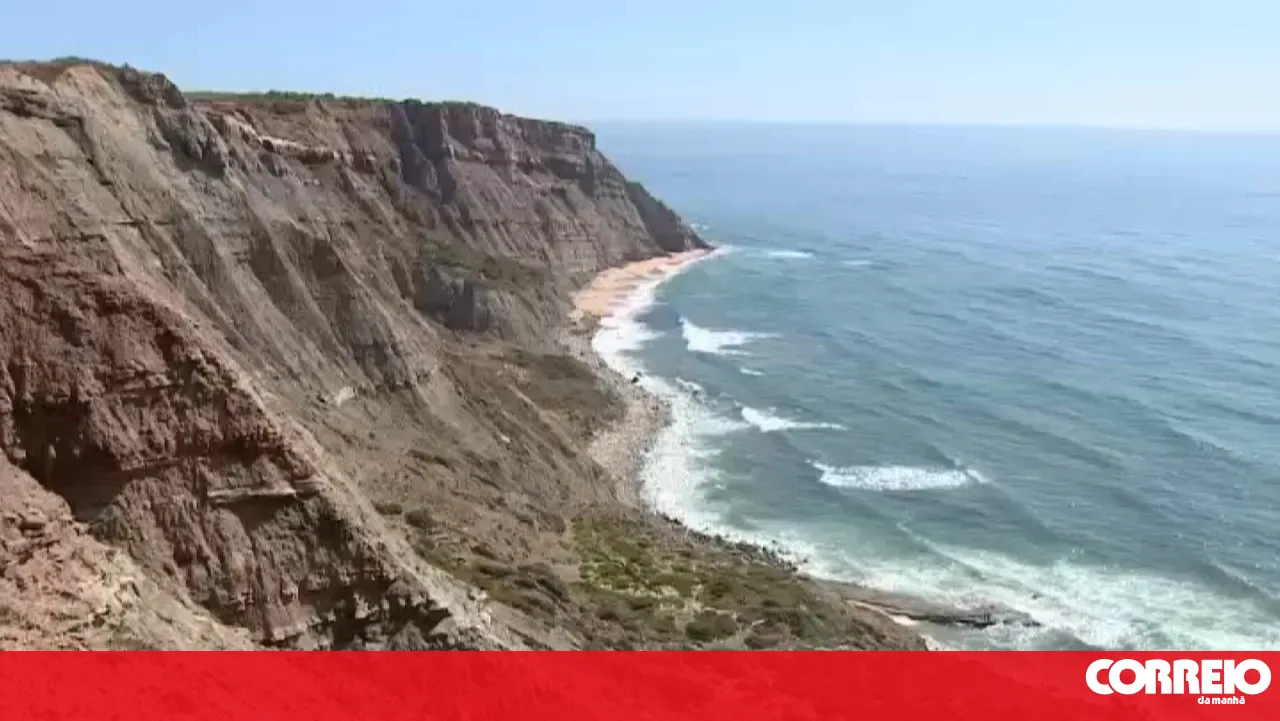
A tuna vertebra dating back approximately 20 million years has been discovered in Portugal; it is the first time a find of this significance has been located on the European side of the Atlantic. The vertebra was discovered in the Cape Espichel region, where the bones of a new dinosaur species were also found.

It was not discovered in an archaeological excavation, but in a wooden chest of gifts from a grandfather to his grandson. The coin was used to pay for a bus ticket in the 1950s and is now on display in a museum.

The base was three metres deep, beneath private building works. It appears that the five lines of Latin text are a dedication from a high-ranking Roman official to his 'dearest' wife.

The piece, discovered in September during archaeological surveys at a private construction site, lay three metres deep amid rubble.

On Tuesday, February 3, the Algarve Archaeological Association (AAA) will be presenting two lectures, in English, by archaeologists André Tomé and Humberto Verissimo. The first lecture will be at 2.30pm The post Archaeology lecture “Between Worlds” appeared first on Portugal Resident.

Connections in the Upper Palaeolithic were not isolated encounters but part of complex, stable social networks maintained over millennia, thereby ensuring the survival of human groups.

Home Tourism An Empire, Hidden in Plain Sight in the Algarve An Empire, Hidden in Plain Sight in the Algarve Roman salting tanks in São Lourenço reveal a working past beneath a quiet Algarve walk.
A whale bone, presumed to be thousands of years old according to a palaeontologist from the University of Coimbra (UC), was identified today on Buarcos beach, north of the city of Figueira da Foz.