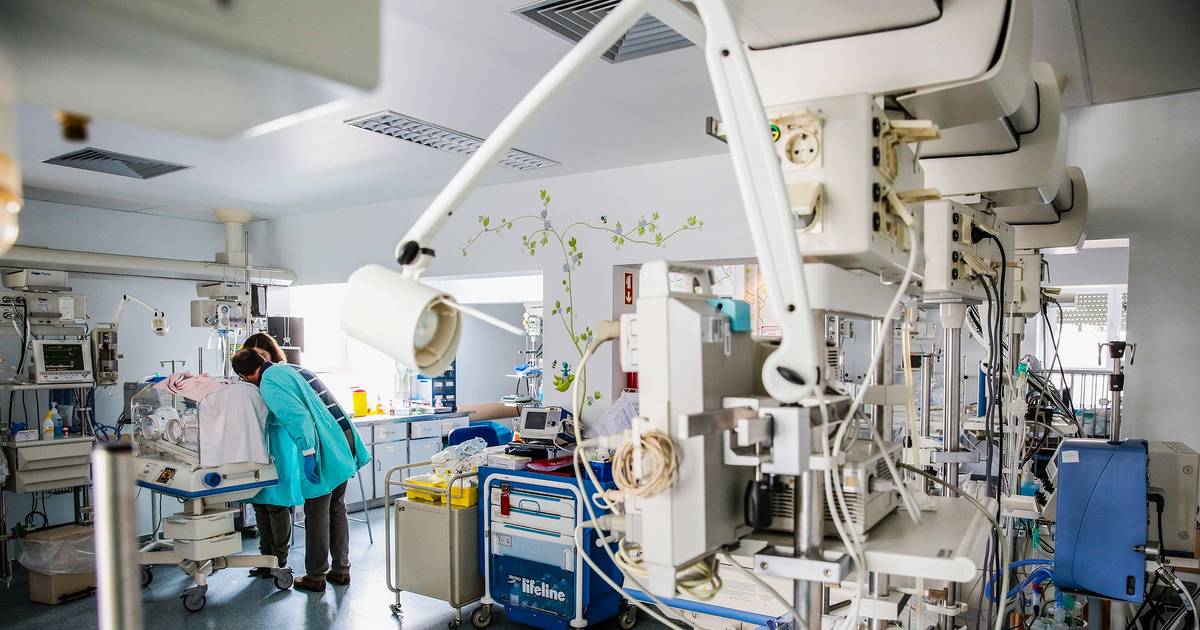
Portugal recorded 961 new HIV infections in 2025, marking a 39% decline over the past decade, according to an annual report by the Directorate-General of Health (Direção-Geral da Saúde or DGS) and the Ricardo Jorge National Health Institute (Instituto Nacional de Saúde Doutor Ricardo Jorge or INSA). Health authorities confirmed that the country has already met the United Nations targets set by UNAIDS for 2030, supported by a 15% annual rise in hospital patients receiving pre-exposure prophylaxis (profilaxia pré-exposição or PrEP). However, officials noted that more than half of all new cases were still diagnosed late, primarily affecting young men living in the Lisbon metropolitan area.
Portugal Hits UNAIDS Targets as New HIV Diagnoses Fall
Tuesday, 24 November 2026AI summary

Context & Explainers
The DGS (Direção-Geral da Saúde) is Portugal's central public health authority, responsible for setting health policy guidelines, managing vaccination programs, disease surveillance, and public health campaigns. It operates under the Ministry of Health.
The DGS issues clinical guidelines (normas) that health professionals across Portugal follow, manages the national vaccination schedule, coordinates responses to disease outbreaks, and publishes health statistics. It became widely known during the COVID-19 pandemic as the lead agency for public health guidance.
For residents, the DGS is the authoritative source for vaccination schedules, health alerts, and clinical guidance. Its recommendations shape how hospitals and health centers deliver care across the country.
4 sources
- Hospital in Portugal performs first robotic surgeryThe Portugal News ·
- New HIV cases fall 39% in ten years, but more than half continue to be diagnosed latepublico.pt ·
- Number of people who received PrEP in hospitals increased by 15% in 2025cmjornal.pt ·
- Portugal has already reached the HIV targets set by UNAIDS for 2030Diário de Notícias ·