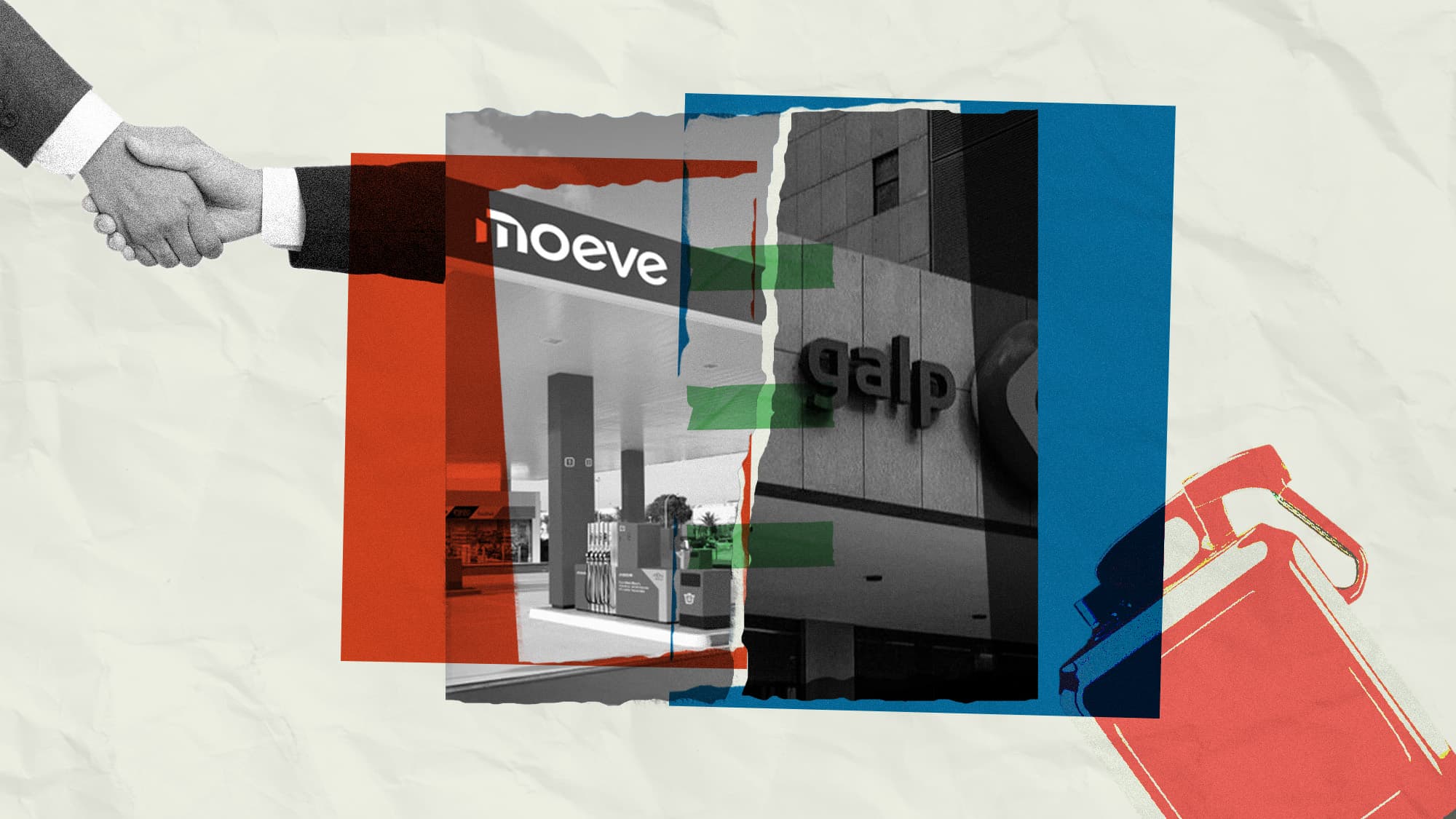
Galp shares fell by more than 10 percent on Monday, wiping 1.7 billion euros off the company's valuation after talks to merge its refining and fuel retail operations with Spanish firm Moeve collapsed. The end of negotiations terminates discussions initiated under a January preliminary agreement between Galp and Moeve shareholders, including Abu Dhabi investment fund Mubadala. Minister of Environment and Energy Maria da Graça Carvalho said the government had feared losing national influence over Portugal's sole refinery in Sines, adding that authorities welcome Galp's intention to seek independent industrial partnerships.
Galp Shares Slide as Government Welcomes Refinery Deal Collapse
Monday, 26 October 2026AI summary
Context & Explainers
Galp is Portugal’s integrated energy company operating in fuel, natural gas, electricity retail, refining and upstream activities, and it supplies households and businesses across the country. For expats, issues at Galp—such as recent billing disruptions—can mean unexpected large utility bills or service problems, so check your account, contact the supplier and keep billing records.

- Minister of Environment and Energy (2024–present)
- Party: Social Democratic Party (PSD), Partido Social Democrata
- Background: Mechanical engineer, academic, former MEP
Maria da Graça Carvalho (born 1955) is a Portuguese engineer and politician serving as Minister of Environment and Energy in the AD government. She holds a PhD in mechanical engineering and had a distinguished academic career at Instituto Superior Técnico, specializing in energy systems and building physics.
She served as a Member of the European Parliament (2009–2024), where she focused on research policy, innovation funding (Horizon 2020/Europe), and energy policy. Before entering politics, she was a scientific advisor to European Commission President José Manuel Barroso.
As Environment Minister, she oversees Portugal's energy transition, renewable energy expansion, water resources management, climate adaptation, and environmental regulation — portfolios that are central to issues like wildfire prevention, coastal erosion, and meeting EU climate targets.
11 sources
- Deal between Galp and Moeve at risk of falling throughcnnportugal.iol.pt ·
- Official: Galp and Moeve fail to reach agreement to merge refining and distribution businesseseco.sapo.pt ·
- Galp and Moeve fail to reach agreement for business mergerobservador.pt ·
- Galp hit in Lisbon after alliance with Moeve falls throughwww.marketscreener.com ·
- Galp shares plunge 10% after collapse of deal with Moevedinheirovivo.dn.pt ·
- Government pleased with Galp's intention to separate refinery from petrol stationspublico.pt ·
- Government feared losing control of the only Portuguese refinery due to deal between Galp and Moevecnnportugal.iol.pt ·
- Portugal shares lower at close of trade; PSI down 0.75% By Investing.comInvesting.com India ·
- Government will remain attentive to Galp's "future partnerships"cmjornal.pt ·
- Galp deal with Abu Dhabi fund falls through but remains open to new partnerships at the Sines refineryexpresso.pt ·
- Galp considers different partners for retail and refiningeco.sapo.pt ·