Police unions and the National Association of GNR Officers (ANOG) have issued an ultimatum to the government, demanding a meeting within seven days to address salary parity and career progression. The Police Professionals Union Association (ASPP) has also scheduled nationwide protests, including a public petition and demonstrations, unless a binding commitment to salary increases is secured by early 2027.
Police unions threaten protests over salary and career demands
Thursday, 10 September 2026AI summary
Context & Explainers

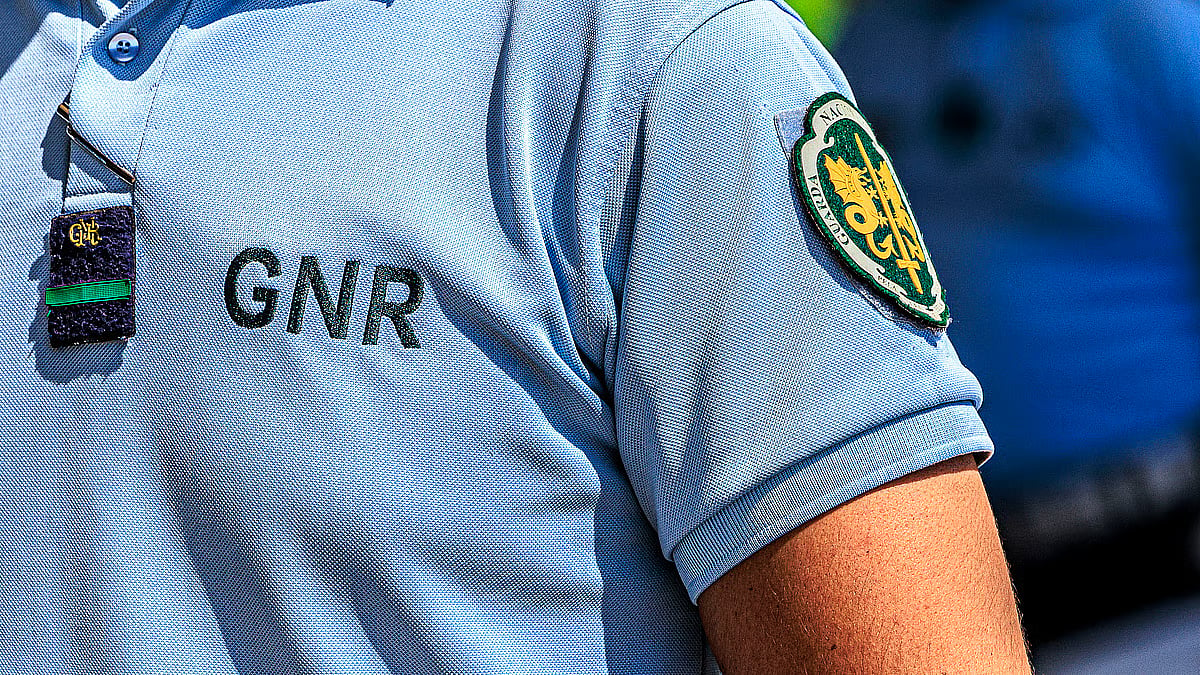
The GNR (Guarda Nacional Republicana) is Portugal's national gendarmerie—a military police force founded in 1911, with origins dating to 1801. With over 22,600 personnel, GNR patrols 94-96% of Portuguese territory, covering rural areas, medium towns, and highways. Members are military personnel subject to military law, responsible for public order, customs, coastal control, environmental protection (SEPNA), firefighting/rescue (GIPS), border control, and ceremonial guards. GNR vs. PSP: The PSP (Polícia de Segurança Pública) is Portugal's civilian police force, covering major cities (Lisbon, Porto, Faro) and large urban areas—only 4% of territory but roughly half the population. PSP handles airport security, diplomatic protection, and private security regulation. Both share core missions (public order, crime prevention), but differ in nature: GNR is military with military training; PSP is civilian with police-focused training.
5 sources
- GNR and PSP associations and unions demand a meeting within one weekdn.pt ·
- PSP police union schedules several protests between 22 September and 30 Octobercmjornal.pt ·
- PSP police union schedules several protestsobservador.pt ·
- PSP police union schedules several nationwide protestseco.sapo.pt ·
- PSP trade union association schedules nationwide protests and calls MAI's actions "propaganda"rtp.pt ·