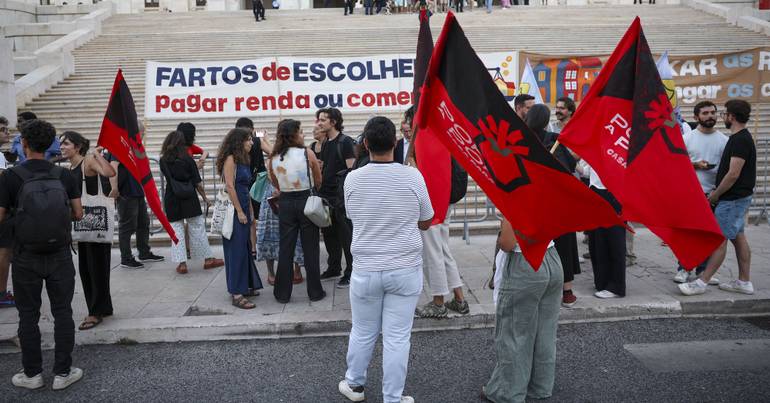
A new legislative proposal has been submitted to the Assembly of the Republic (Assembleia da República) to revise the New Urban Rental Regime (Novo Regime do Arrendamento Urbano or NRAU). The reform aims to allow for the updating of older rental contracts, including those signed before 1990, as part of a broader effort to adjust the housing market.
Government proposes major overhaul of urban rental laws
Thursday, 13 August 2026AI summary
Context & Explainers

The Assembly of the Republic (Assembleia da República) is Portugal's unicameral parliament, located in the Palácio de São Bento in Lisbon. It consists of 230 deputies elected by proportional representation for four-year terms.
The Assembly's powers include making and amending laws, approving the state budget, ratifying international treaties, and overseeing the government through debates, hearings, and committees. It can also pass votes of no confidence to bring down a government, as happened in March 2025.
Following the May 2025 elections, the current parliamentary composition is led by the Democratic Alliance (AD) with the largest share of seats, followed by Chega, PS, and smaller parties including the Liberal Initiative, Left Bloc, Livre, and PCP.
The NRAU is the Novo Regime do Arrendamento Urbano (New Urban Lease Regime), the legal regime that reformed Portugal's urban rental law and governs most residential leases. A ten‑year moratorium on applying some of its rules to older contracts has expired, which has allowed landlords to pursue repossession cases such as the order for Casa Pereira da Conceição to vacate.