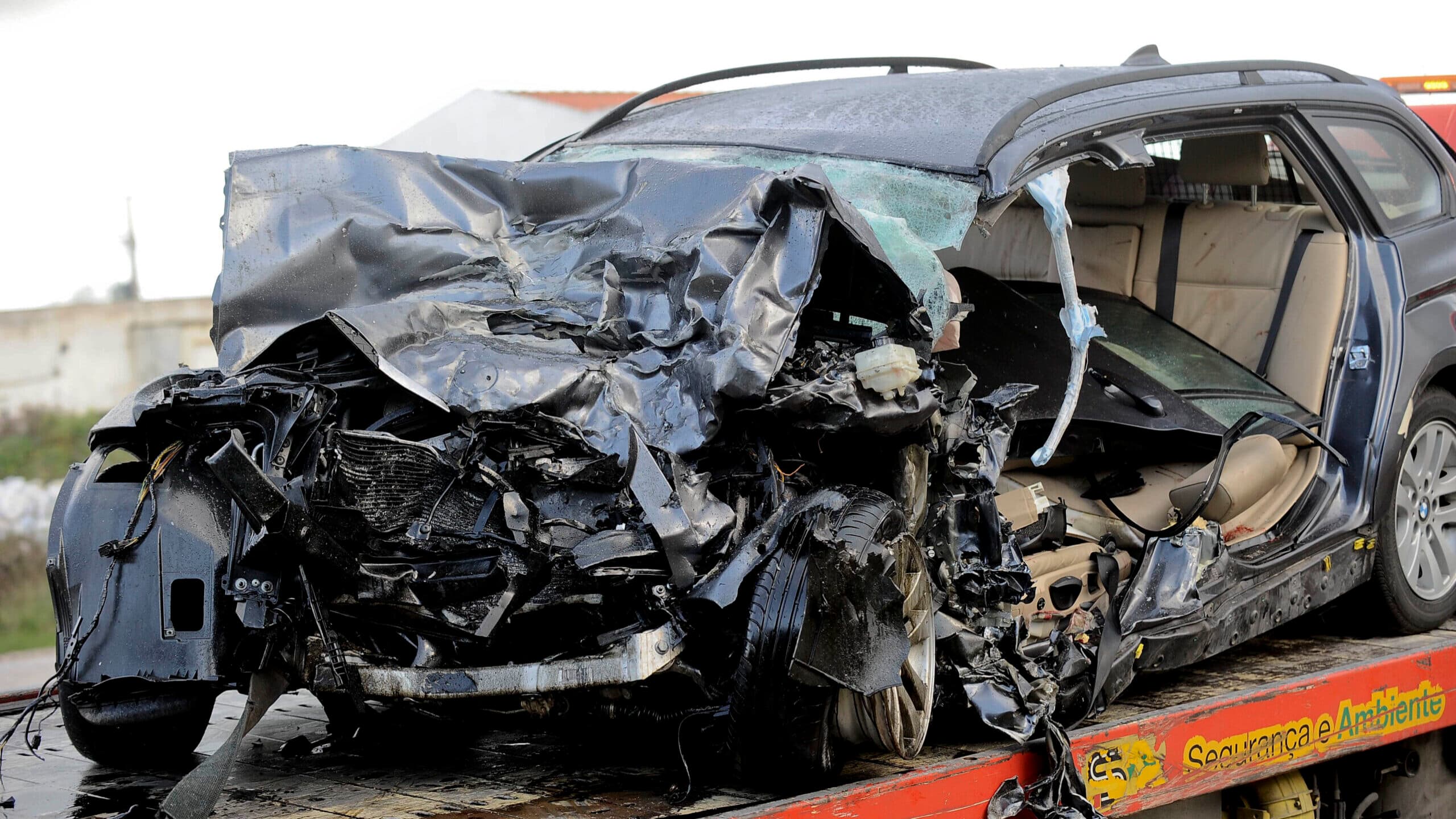
The Insurance and Pension Funds Supervisory Authority (Autoridade de Supervisão de Seguros e Fundos de Pensões or ASF) estimates that 121,000 vehicles are currently circulating on Portuguese roads without mandatory liability insurance. This figure, derived from cross-referencing inspection data from the Public Security Police (Polícia de Segurança Pública or PSP), highlights a significant risk for road safety. The regulator warns that driving without insurance is not a residual issue and carries serious consequences for offenders involved in accidents.
121,000 vehicles found lacking mandatory third-party insurance
Monday, 13 July 2026AI summary
Context & Explainers
ASF is the insurance and pension funds supervisory authority (Autoridade de Supervisão de Seguros e Fundos de Pensões). It regulates insurers, monitors solvency and protects policyholders; here ASF is gathering information on claims and financial guarantees to assess sector costs and whether insurers’ practices comply with rules, which can affect claim payouts and industry stability.

The PSP (Polícia de Segurança Pública) is Portugal's national civilian police force, founded in 1867. Responsible for defending Republican democracy and safeguarding internal security and citizens' rights, the PSP polices major cities—Lisbon, Porto, Faro—and large urban areas, covering only 4% of Portugal's territory but roughly half the population. Led by a National Director under the Ministry of Internal Affairs, its approximately 21,500 officers handle preventive policing, crime investigation, public order, airport security, diplomatic protection, private security regulation, firearms licensing, and border control (since 2023).
PSP vs. GNR: The PSP is civilian with police-focused training and urban jurisdiction, while the GNR (Guarda Nacional Republicana) is military (gendarmerie) with military training, covering 96% of Portugal's rural and suburban territory. Both share core public safety missions but differ fundamentally in nature, training, and geographic responsibility.