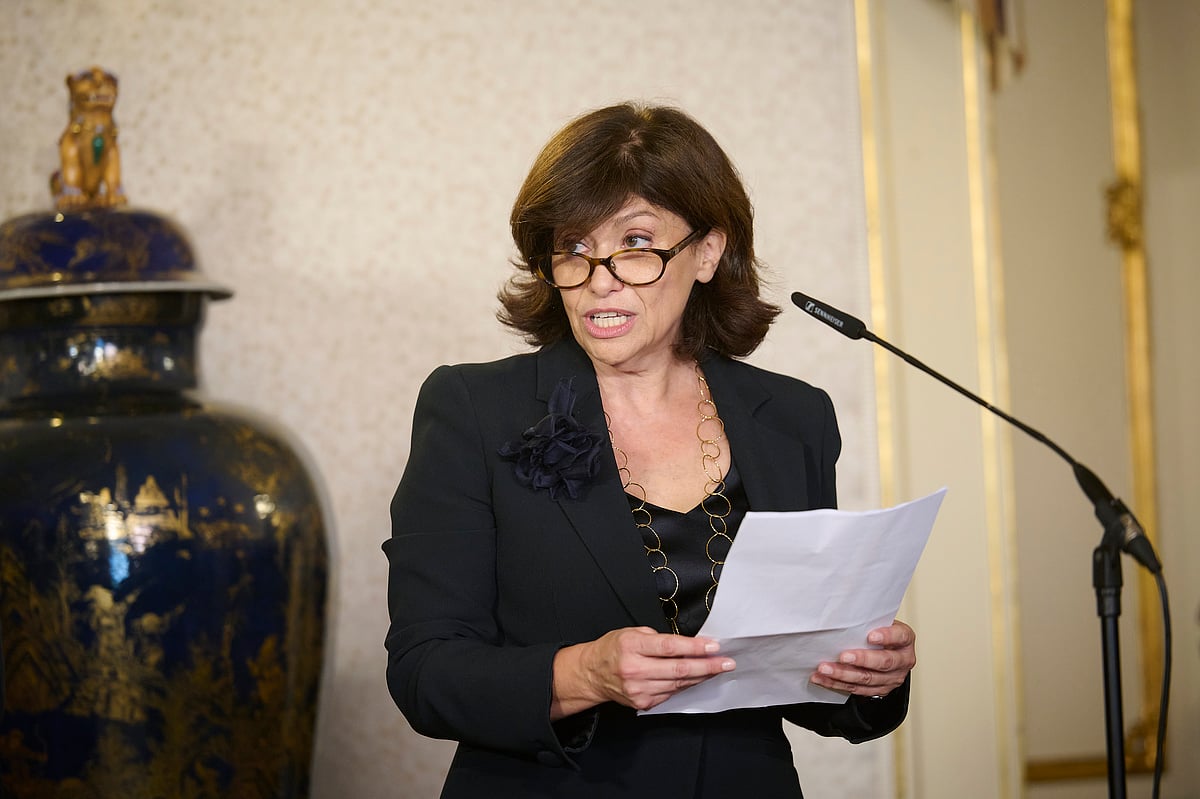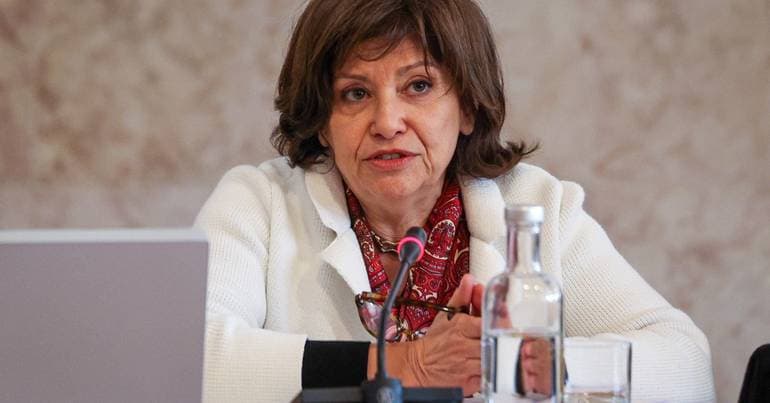
The President of the Court of Auditors (Tribunal de Contas), Filipa Urbano Calvão, has criticized a government proposal to amend the oversight of public contracts. The court warns that raising the threshold for prior approval to 10 million euros weakens public finances and creates potential for corruption. The Social Democratic Party (Partido Social Democrata or PSD) has since accused the court of attempting to influence members of parliament through a social media campaign against the bill.
Court of Auditors slams government public contract oversight proposal

Context & Explainers
The Court of Auditors (Tribunal de Contas) is Portugal’s independent public audit body that inspects and approves the accounts of state entities, public companies and other bodies that use public funds. Its rejection of an organisation’s accounts signals serious financial irregularities and can lead to recoveries, fines or political fallout, so taxpayers and public-sector contractors should pay attention.

- Leader: Luís Montenegro (Prime Minister)
- Ideology: Liberal conservatism, pro-Europeanism
- Coalition: Social Democratic Party (PSD) + CDS–People's Party (CDS-PP)
The Democratic Alliance (Aliança Democrática, AD) is a center-right coalition primarily composed of the Social Democratic Party (PSD) with 89 seats and the CDS–People's Party (CDS-PP) with 2 seats. Together, they form the current minority government under Prime Minister Luís Montenegro.
The PSD, despite its name, occupies the center-right of Portugal's political spectrum and has been one of Portugal's two dominant parties since 1974, having formed nine governments including four with absolute majorities. The CDS-PP is a smaller Christian democratic party that has historically been the PSD's coalition partner.
The AD coalition governs without a parliamentary majority, requiring case-by-case support from opposition parties to pass legislation. The coalition has imposed a cordon sanitaire against Chega, refusing formal cooperation with the far-right despite its parliamentary strength, which means it must negotiate with the PS or smaller parties to advance its legislative agenda.