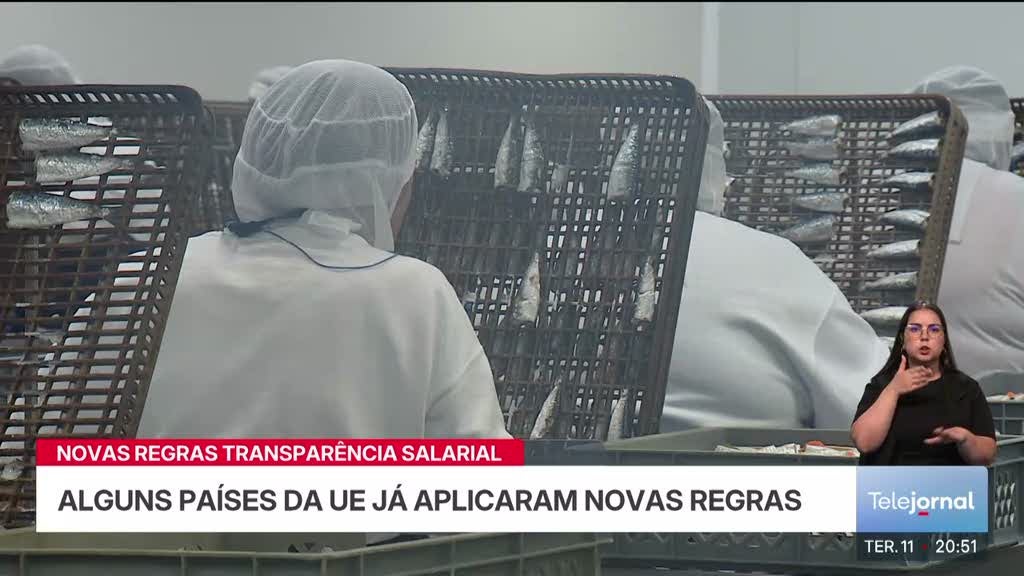
A study published for Equality Week by the Commission for Equality between Women and Men of the CGTP finds 41% of working women in Portugal do shift, night or weekend work and warns working hours are highly deregulated. The study frames long and irregular hours as a gendered labour issue with implications for work–life balance and equality measures. Workers, employers and those negotiating contracts should note the prevalence of atypical hours in female employment sectors.
Study: 41% of women do shift, night or weekend work
Sunday, 22 February 2026AI summary

Context & Explainers
CGTP (Confederação Geral dos Trabalhadores Portugueses – Intersindical Nacional) regularly publishes studies and proposals on labor market conditions, wages, working time, and employment rights. These reports are used to support the union confederation's negotiating positions with the government and employers.
CGTP studies typically cover topics such as minimum wage adequacy, working hours reform, collective bargaining trends, social security sustainability, and the impact of proposed labor law changes on workers. The confederation uses this research to advocate for positions in tripartite social dialogue (Concertação Social) alongside the UGT union confederation and employer groups.
These publications are significant because they often shape public debate ahead of labor reforms and can influence the pace and direction of legislative changes.
The Commission for Equality between Women and Men (Comissão para a Igualdade entre Mulheres e Homens) is a public body that monitors gender equality, investigates discrimination and advises government and institutions in Portugal. It produces studies and campaigns (for example around Equality Week and International Women’s Day) that influence workplace rules and inform workers and employers about issues like long or deregulated working hours.
A banked hours scheme (banco de horas) is a flexible working time arrangement under Portuguese labor law that allows employees to accumulate overtime hours and use them later as time off, rather than receiving immediate overtime pay.
Under the Portuguese Labour Code, banked hours can be established through collective agreements or, in some cases, individual agreements. The scheme allows employers to vary working hours based on demand — requiring longer hours during peak periods and compensating with shorter hours or days off later.
Banked hours schemes are a frequent topic in labor reform negotiations, with unions (particularly CGTP) pushing for tighter limits and greater worker protections, while employers argue for more flexibility. Proposed reforms have included extending eligibility to parents of young children and adjusting the cap on banked hours.

The General Confederation of the Portuguese Workers (CGTP – Confederação Geral dos Trabalhadores Portugueses) is Portugal’s largest trade-union confederation, grouping most unions in manufacturing, public services and many other sectors.
Founded clandestinely in 1970 as “Intersindical” under the dictatorship, it emerged publicly after the 1974 Carnation Revolution and was legalised in 1975. It has been central to virtually all major labour struggles since then, from defending collective bargaining and the 40‑hour week to leading general strikes against austerity and labour‑law rollbacks.
CGTP is historically close to the Portuguese Communist Party and has a class‑struggle, anti‑neoliberal profile, strongly critical of EU and government policies seen as undermining workers’ rights. It favours grassroots mobilisation and strikes over compromise, often refusing national social‑pact deals that the more centrist UGT is willing to sign.
In today’s Portugal, CGTP remains a key actor in wage bargaining, labour‑law debates and national protests; together with UGT it called the first joint general strike in years in December 2025, signalling its continuing capacity to organise mass action.