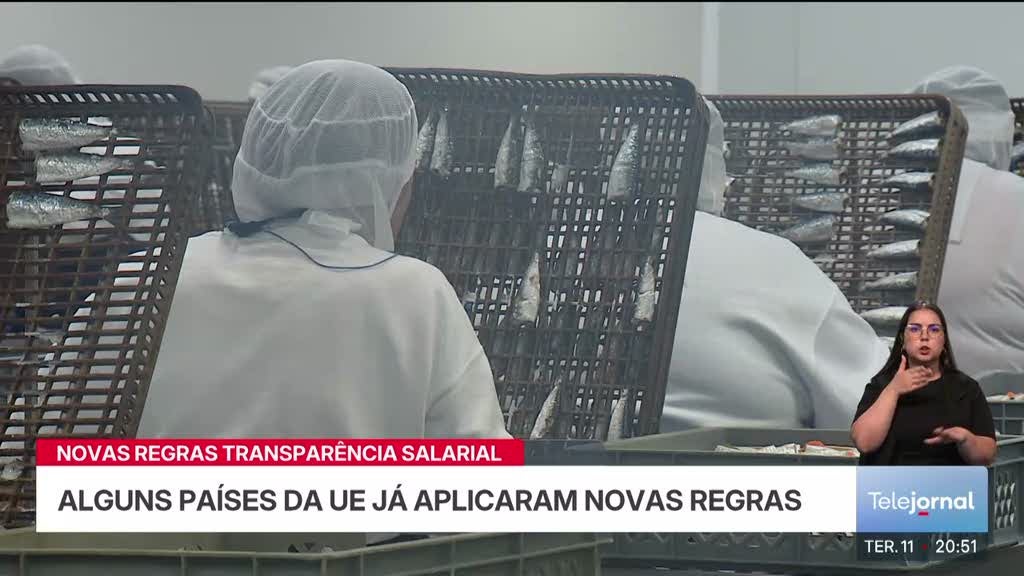
CGTP says Portugal is the EU's second-most reliant country on precarious contracts and reports that nearly 450,000 precarious ties affecting women were registered across the private sector and state-owned companies in 2024. The figures point to significant gendered precarity and feed debates about job quality and protections. Workers on temporary or atypical contracts should check their rights and consider contacting unions or labour advisers.
A quarter of working women held precarious contracts
Thursday, 19 February 2026AI summary
Context & Explainers

The General Confederation of the Portuguese Workers (CGTP – Confederação Geral dos Trabalhadores Portugueses) is Portugal’s largest trade-union confederation, grouping most unions in manufacturing, public services and many other sectors.
Founded clandestinely in 1970 as “Intersindical” under the dictatorship, it emerged publicly after the 1974 Carnation Revolution and was legalised in 1975. It has been central to virtually all major labour struggles since then, from defending collective bargaining and the 40‑hour week to leading general strikes against austerity and labour‑law rollbacks.
CGTP is historically close to the Portuguese Communist Party and has a class‑struggle, anti‑neoliberal profile, strongly critical of EU and government policies seen as undermining workers’ rights. It favours grassroots mobilisation and strikes over compromise, often refusing national social‑pact deals that the more centrist UGT is willing to sign.
In today’s Portugal, CGTP remains a key actor in wage bargaining, labour‑law debates and national protests; together with UGT it called the first joint general strike in years in December 2025, signalling its continuing capacity to organise mass action.
A precarious contract (contrato precário) refers to unstable or insecure work arrangements such as short-term, temporary or atypical contracts that offer limited job security and benefits. Unions say Portugal has a high reliance on these contracts—affecting hundreds of thousands of workers—and that they reduce income stability, social-protection entitlements and career prospects.