Seguro elected with record 3.5 million votes

Sunday, 15 February 2026AI summary
Seguro elected with record 3.5 million votes
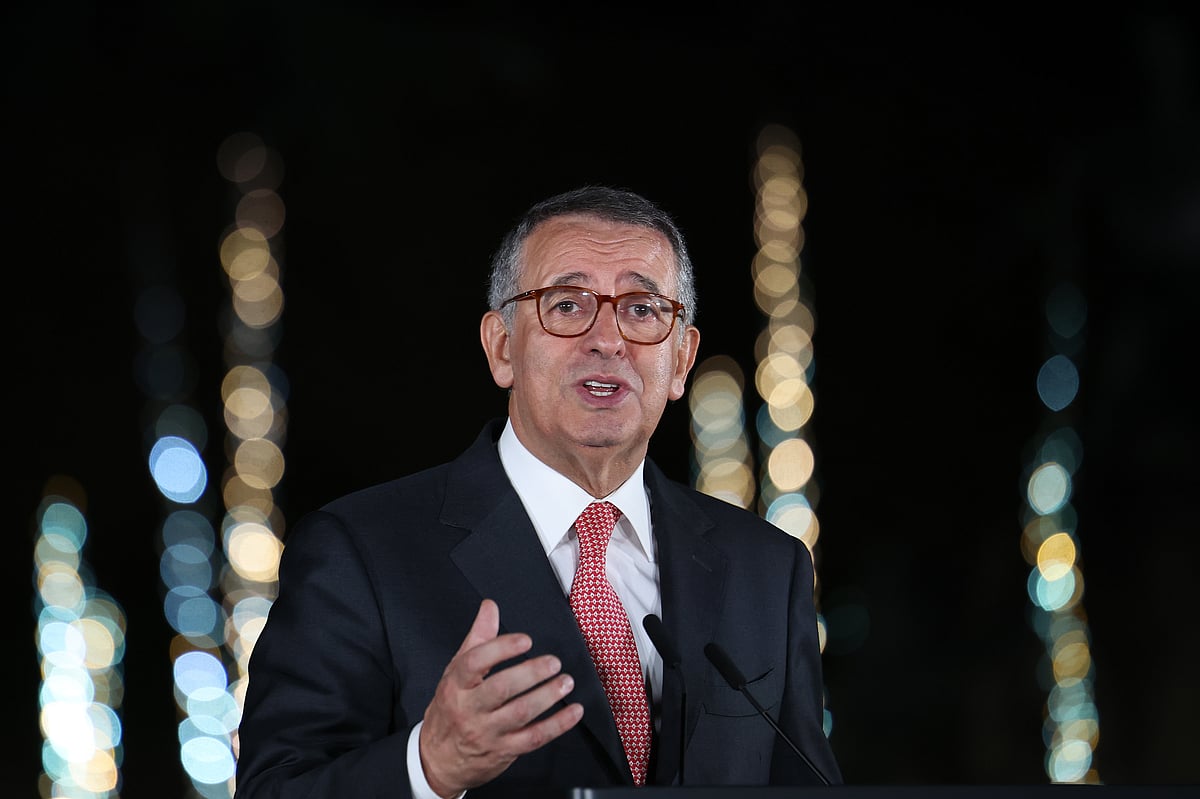
Photo: RTP Notícias

António José Seguro was elected president with more than 3.5 million votes, winning the most votes in 306 of 308 municipalities, provisional final results show. National outlets reported a broad geographic victory but official tallies remain the reference for legal deadlines and any challenges. Those following Portuguese politics or planning to be in the country for inauguration-related events should watch for formal confirmation from electoral authorities.

Update: Turnout rose to 50% in second round

Provisional data published by the General Secretariat of the Ministry of Internal Administration and reported by RTP, Correio da Manhã and CNN Portugal show voter abstention reached about 50% in the second round. The result for António José Seguro remains provisionally reported; official tallies and deadlines for any legal challenges are still set by electoral authorities.

Context & Explainers

António José Seguro
  • The President of Portugal (From March 9 2026)
  • Party: Independent. Former leader of Socialist Party (PS) Partido Socialista
  • Center left

Background:

António José Martins Seguro (born March 11, 1962, in Penamacor) is a lawyer, political scientist, and Socialist Party politician running for president in Portugal's January 18, 2026 election. He led Socialist Youth (1990-1994), served as MEP (1999-2001), was Minister Adjunct to PM António Guterres (2001-2002), and led the PS parliamentary group (2004-2005). Elected PS Secretary-General in 2011 with 68%, he led the opposition during Portugal's bailout era. In 2014, António Costa defeated him in party primaries by a landslide, prompting Seguro's resignation and decade-long retreat from politics. He returned in 2025, launching the movement UPortugal and announcing his presidential candidacy in June. He received official PS backing in October 2025. ​ Political Philosophy:

Seguro positions himself as representing a "modern and moderate" left, offering a progressive alternative to conservative candidates. He advocates for "financial responsibility but critical of austerity," attempting to reposition the PS at center-left. His campaign emphasizes institutional trust, efficient governance, and hope for a better future.

The second round (segunda volta) is a runoff held if no candidate obtains more than 50% of votes in the first round; the top two candidates then compete head‑to‑head. For expats following elections, the second round is usually decisive because broader coalitions form and turnout and endorsements can change the outcome.

Abstention is when eligible voters choose not to vote; it is usually reported as the percentage of registered voters who do not cast a ballot. A falling abstention rate can change electoral outcomes and boost the perceived legitimacy of the result, so a predicted drop — including among younger voters — matters for how parties and candidates plan campaigning and turnout efforts.

The Ministry of Internal Administration (Ministério da Administração Interna) is the Portuguese government department responsible for public security, civil protection, emergency services and coordination of police forces. It oversees flood response and agencies like the Autoridade Nacional de Emergência e Proteção Civil (ANEPC), so changes in its leadership can affect emergency coordination.

Sources (4)

Continue reading