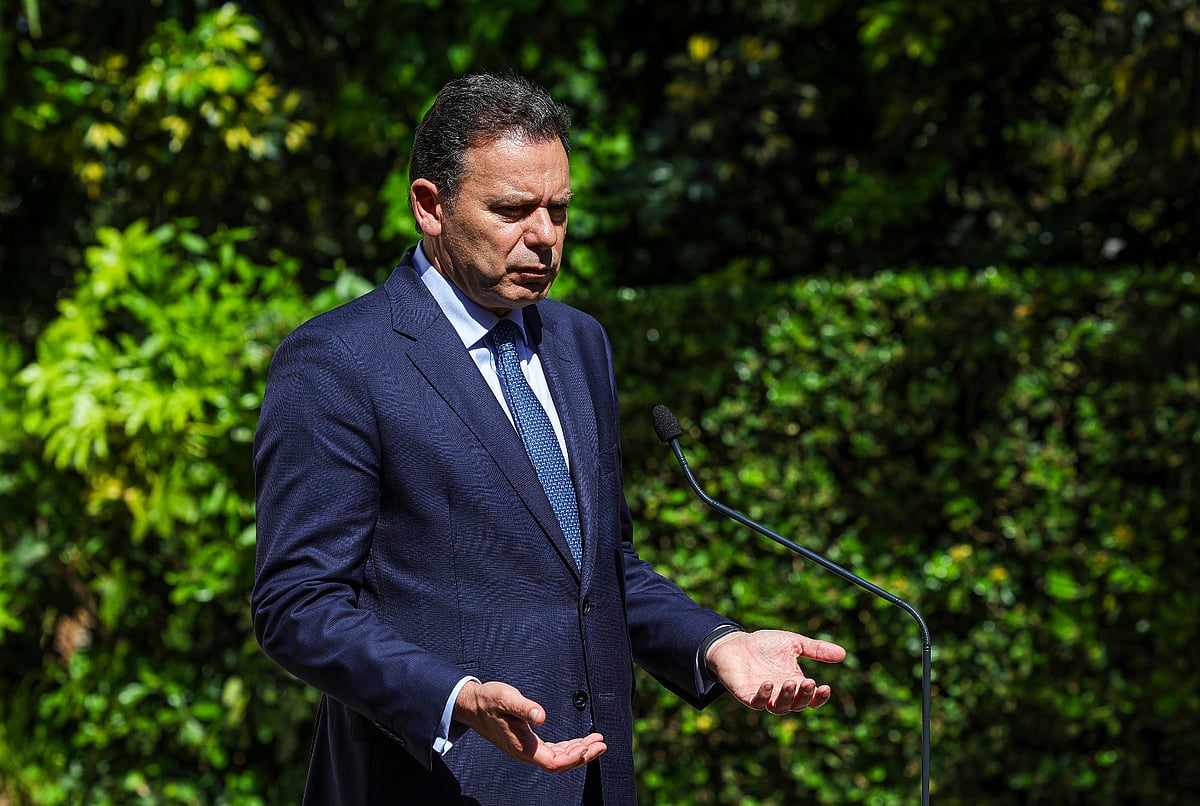
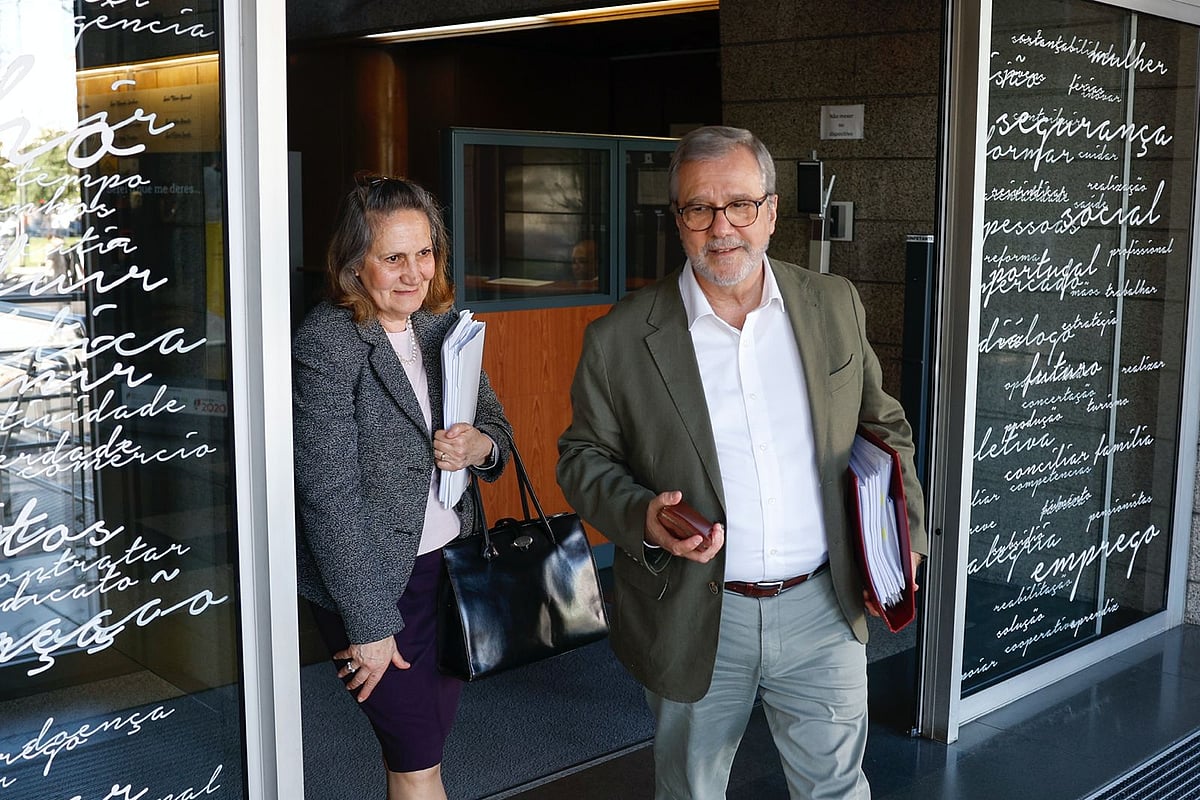
The PSD insists that this is the time for “social dialogue” and asks Parliament for patience so that negotiations can reach a successful conclusion. On the left, parties view the return to social dialogue as a positive step.
Labour law reform. PSD says this is "the time for social dialogue"
Tuesday, 14 April 2026RSS
Context & Explainers

Chega ("Enough") is a Portuguese far-right populist party founded in 2019 by André Ventura. It positions itself as an anti-establishment movement against what it calls a "rotten and corrupt system" of PS-PSD dominance. The party surged from 1.3% in 2019 to 22.8% in May 2025, becoming parliament's second-largest force with 60 seats. Chega's core platform emphasizes strict immigration control—ending automatic CPLP residency, deporting non-independent immigrants, implementing job-market quotas, and requiring five-year social security contributions before benefit access. It advocates radical constitutional reform, including reducing parliament to 100 members, abolishing the prime minister position for a presidential system, and dismantling public healthcare. Law-and-order policies include life imprisonment and chemical castration proposals.
The party is defined by inflammatory anti-Romani rhetoric, with Ventura convicted multiple times for discrimination. Chega maintains international alignments with European far-right figures including Marine Le Pen, Santiago Abascal, and Matteo Salvini. Mainstream Portuguese parties, including Prime Minister Luís Montenegro's government, have imposed a cordon sanitaire, refusing coalition with Chega despite its parliamentary strength.
- Minister of Environment and Energy (2024–present)
- Party: Social Democratic Party (PSD), Partido Social Democrata
- Background: Mechanical engineer, academic, former MEP
Maria da Graça Carvalho (born 1955) is a Portuguese engineer and politician serving as Minister of Environment and Energy in the AD government. She holds a PhD in mechanical engineering and had a distinguished academic career at Instituto Superior Técnico, specializing in energy systems and building physics.
She served as a Member of the European Parliament (2009–2024), where she focused on research policy, innovation funding (Horizon 2020/Europe), and energy policy. Before entering politics, she was a scientific advisor to European Commission President José Manuel Barroso.
As Environment Minister, she oversees Portugal's energy transition, renewable energy expansion, water resources management, climate adaptation, and environmental regulation — portfolios that are central to issues like wildfire prevention, coastal erosion, and meeting EU climate targets.
AI Summary AvailableChega signals intent to amend labour law reformRead the synthesized summary with context and explainers
View full article on rtp.pt