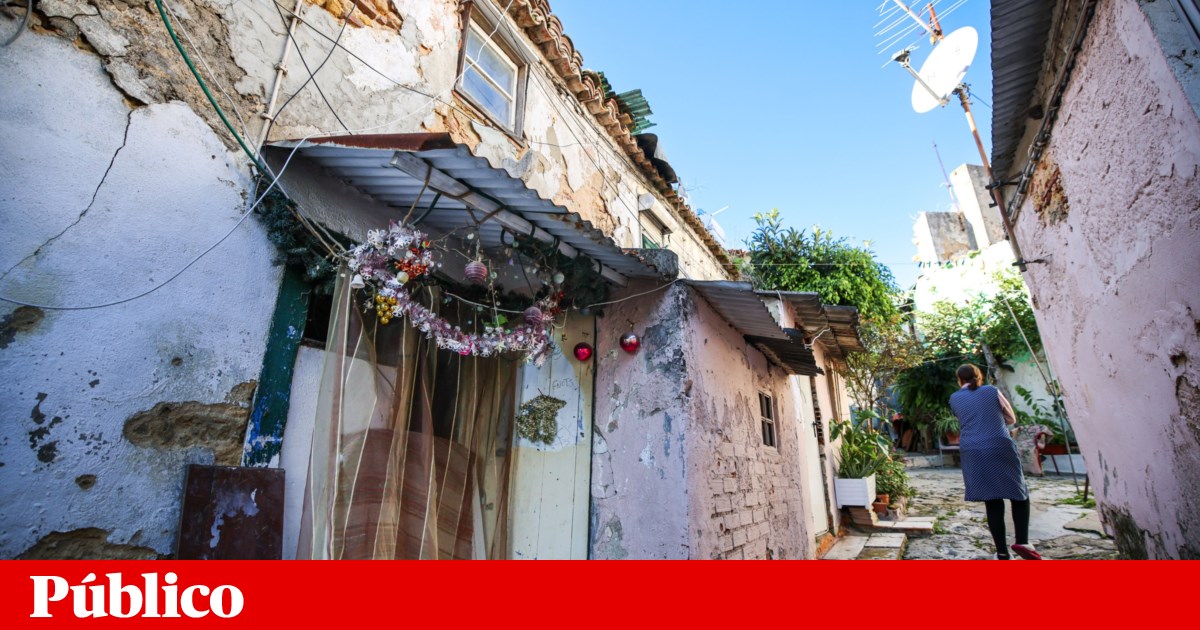
An old workers' village in Beato was auctioned, but the bidding fell below the minimum value. Lisbon City Council is assessing the right of first refusal. Some residents were born there, but some do not even pay rent.

An old workers' village in Beato was auctioned, but the bidding fell below the minimum value. Lisbon City Council is assessing the right of first refusal. Some residents were born there, but some do not even pay rent.
The INE is Portugal's National Statistics Institute (Instituto Nacional de Estatística), and its housing price index measures changes in residential property prices used by policymakers, lenders and markets. That index—published regularly with monthly and quarterly releases for different housing statistics—helps legislators assess price trends and justify measures when prices are rising steadily.
Housing fiscal measures are government tax changes or incentives aimed at the property market — examples include changes to property tax (IMI Imposto Municipal sobre Imóveis), stamp or transfer taxes (IMT Imposto Municipal sobre Transmissões Onerosas de Imóveis) and income‑tax (IRS Imposto sobre o Rendimento das Pessoas Singulares) deductions for renovations or rental incentives. The estimated €200–300 million budgetary cost shows the measures have a meaningful impact on public finances and signals whether the government is prioritising tax relief for homeowners, landlords or construction, which can affect property prices and rental markets that matter to expats.
Public housing (in Portuguese, habitação pública) is housing provided or subsidised by the state or municipalities to make rent or ownership affordable for low‑ and middle‑income households. Requiring developers to transfer land to municipalities frees space for new public housing projects, which can increase supply and ease rental pressure in cities — something those seeking long‑term housing should watch.
Housing prices in Portugal are highest in Lisbon and many coastal areas (notably parts of the Algarve), often two to three times more expensive than interior regions, while Porto and other coastal cities sit in between and inland areas can be much cheaper. Nationally the typical price per square metre is lower than the EU median, while Lisbon is pricier than most Portuguese regions but still generally cheaper than central Paris or London, so prospective buyers should compare city, coastal and interior markets before deciding.