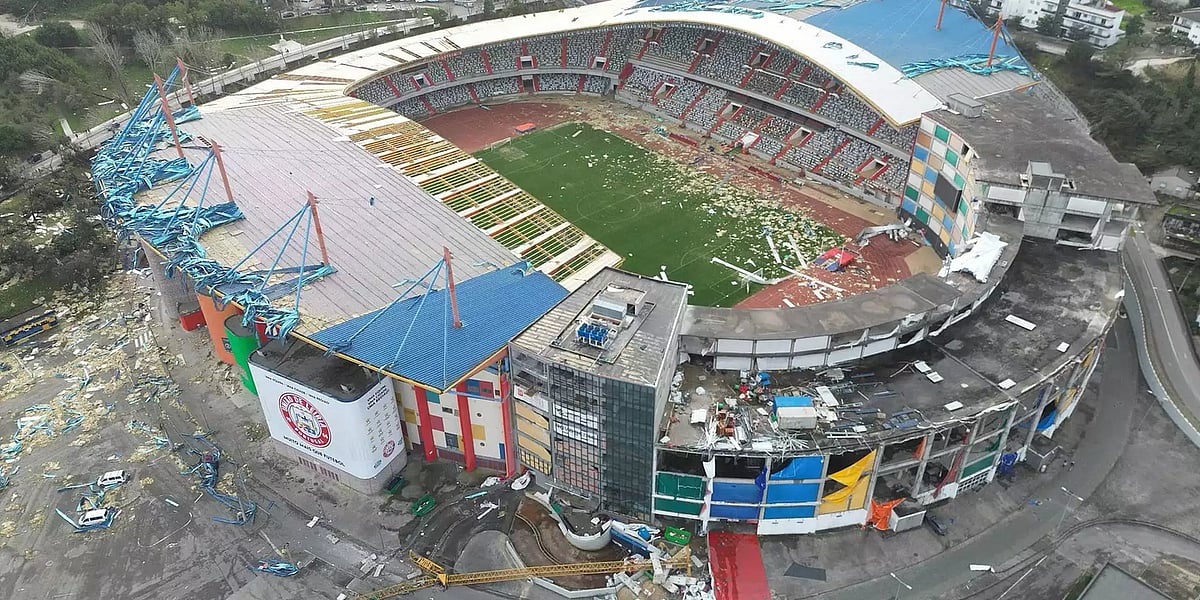
The state of calamity declared by the government on January 29 in areas most affected by the Kristin depression, which was extended twice after new storms, will end this Sunday, February 15, along with the toll exemption. Initially declared on January 29, it was extended until February 8 and then again until this Sunday, affecting 68 Portuguese municipalities. The government decided to declare the state of calamity in the most affected areas after requests from local mayors. The toll exemption applied to sections of the A8, A17, A14, and A19 motorways, aimed at supporting mobility in the affected regions. However, local authorities have called for an extension of the toll exemption due to ongoing recovery challenges following the storms, which resulted in significant destruction and loss of life.
State of calamity and toll exemption end this Sunday
Context & Explainers
A state of calamity (situação de calamidade) is the highest level of civil emergency Portugal can declare under its Civil Protection framework, short of a constitutional state of emergency. It is typically declared by the government in response to severe natural disasters such as major wildfires, floods, or storms.
A calamity declaration activates the National Civil Protection Emergency Plan, mobilizes additional resources, and grants authorities expanded powers to restrict movement, requisition private property, and deploy military assets. It also unlocks emergency financial support for affected populations and municipalities.
Portugal uses a three-tier alert system: alerta (alert), contingência (contingency), and calamidade (calamity), each with escalating levels of coordination and authority. The state of calamity requires coordination between the national government, ANEPC, local authorities, and emergency services.