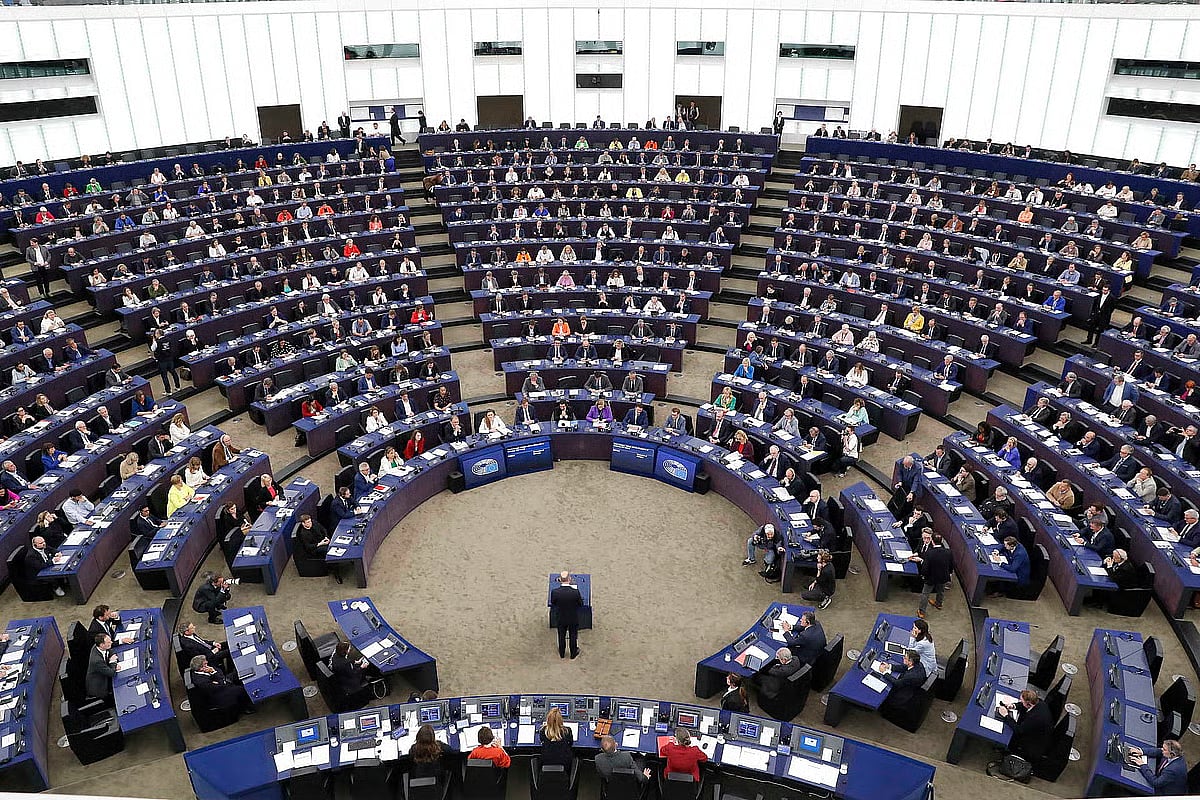
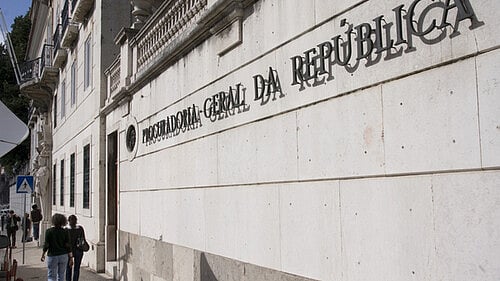
The concept of privacy corresponds to the protection of intimate private and family life, guaranteed by Article 26(1) of our Constitution. Most citizens have a general idea of what privacy entails: the ability to delimit a part of one's life where behaviours are freely adopted, protected from interference by public authorities. Transparency, originating from the Anglo-Saxon concept of 'open file', applies to administrative procedures where public officials must justify their decisions to ensure they serve the public interest rather than private ones. While citizens have a right to access administrative records to scrutinise public decisions, this does not strip public officials of their right to privacy. Media exposure that reveals personal assets without evidence of wrongdoing constitutes an intolerable violation of privacy rather than a promotion of transparency. The pursuit of transparency must not devolve into a mix of gossip and punitive impulses that damage reputations and discourage public service.
Privacy and transparency
Thursday, 9 April 2026RSS

Context & Explainers
The Public Administration (Administração Pública) is Portugal's central, regional and local government bodies and the public-sector workforce that deliver services like healthcare, education and municipal functions. A pay rise announced on 20 February 2026 raised the state's base public-sector salary to €934.99 with retroactive payments back to January 2026, so employees and those who contract with state bodies should expect updated payrolls and potential budget effects.