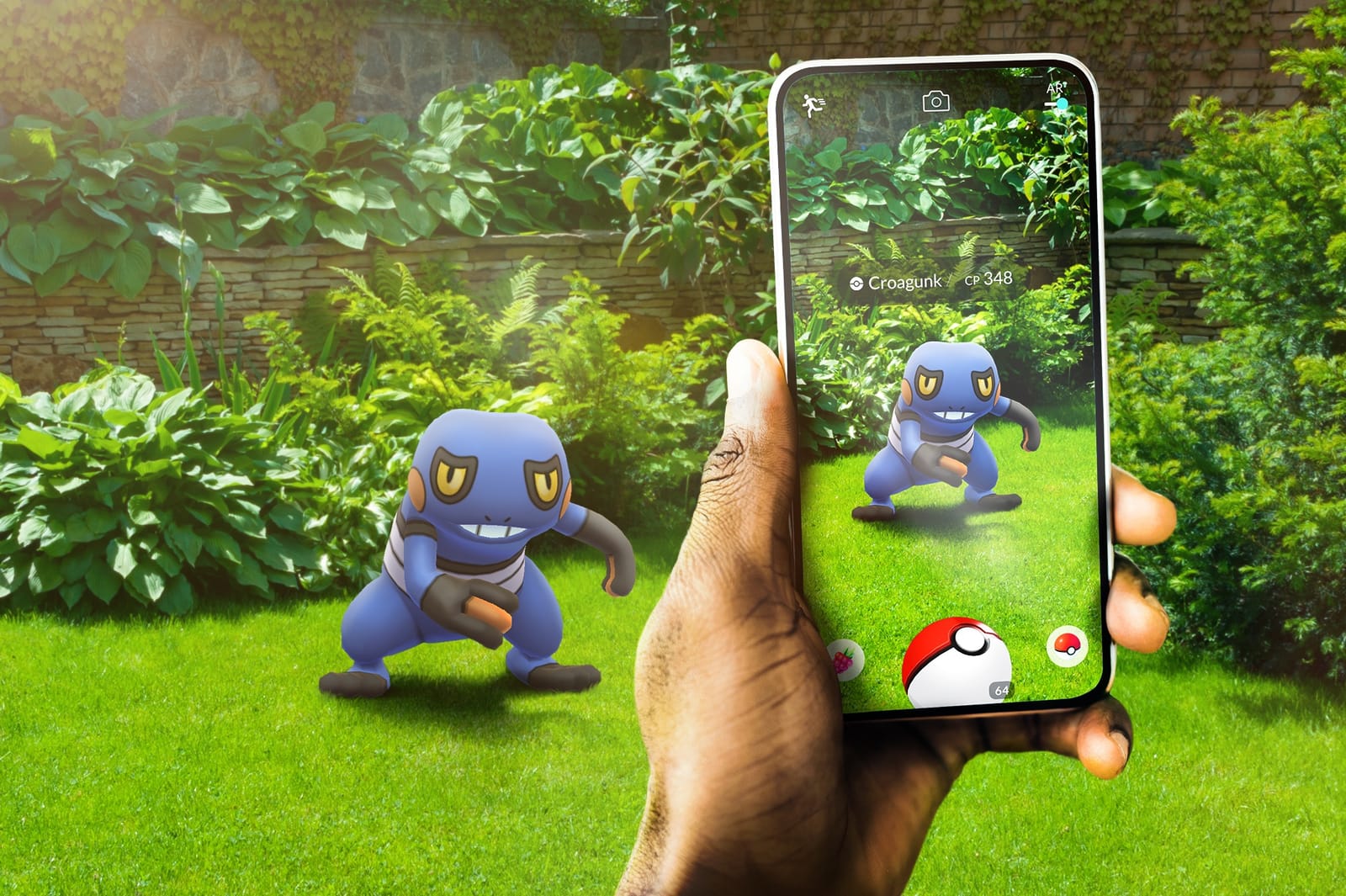
What began in 2020 as a simple task to earn extra Pokéballs—pointing a phone at a monument to perform an augmented reality scan—has become the foundation for what is now considered the most advanced geospatial artificial intelligence infrastructure on the planet. This phenomenon of 'invisible micro-work' allowed a video game company to accumulate a treasure trove of data that Silicon Valley giants have spent decades trying to replicate without the same success, all with the unwitting collaboration of millions of people. Last week, Niantic Spatial confirmed that its vast database of 30 billion geolocated images is being used to guide autonomous delivery robots in real-world cities. The announcement marks one of the largest value transfers in technology history: transforming the leisure and physical effort of millions of players into a commercial asset of incalculable strategic value for the robotics and logistics industry.
Did you play Pokémon Go? Your photos were used for the world's largest AI training. And for free
Friday, 20 March 2026RSS