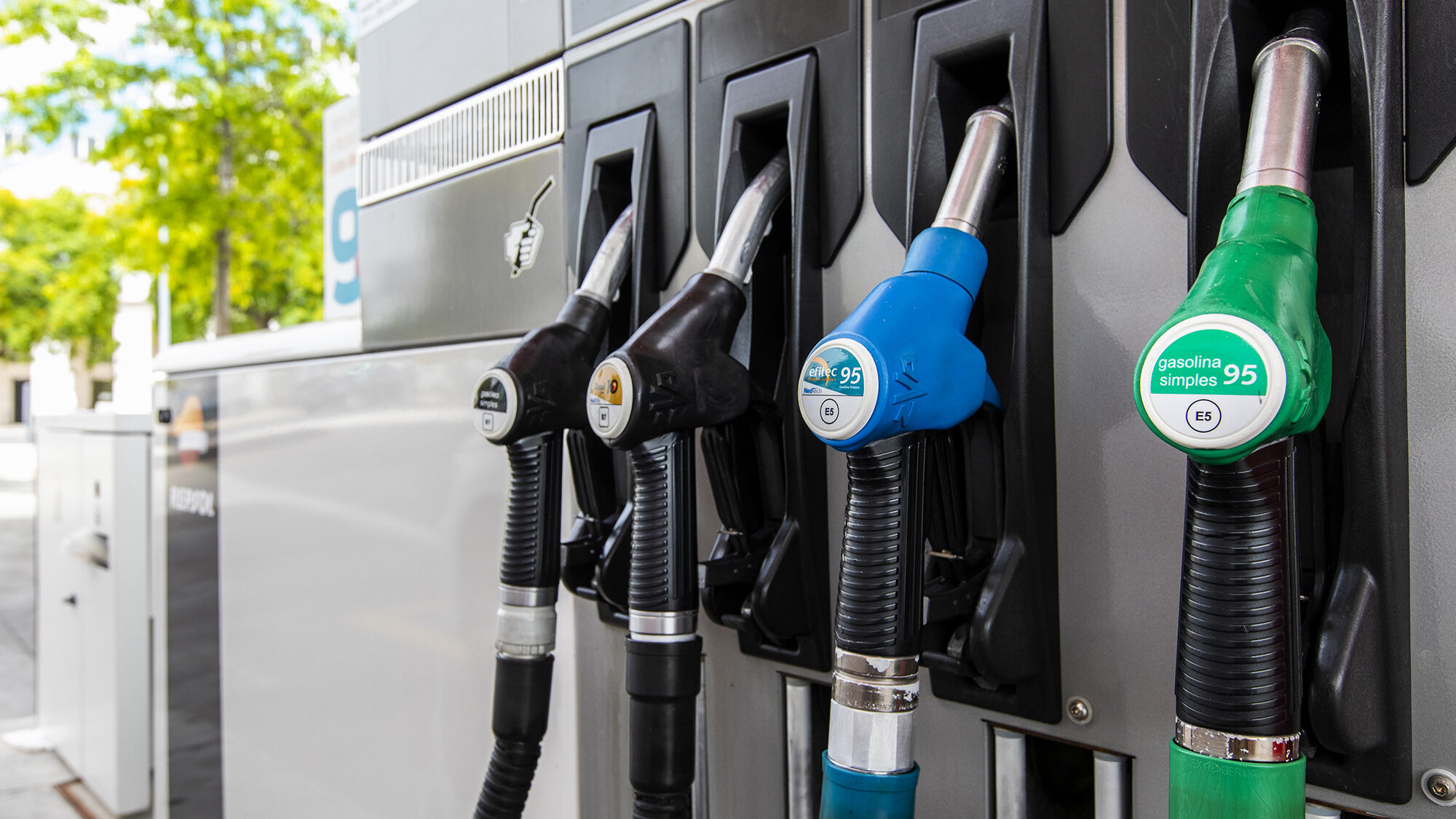
The article reports that the Portuguese government has approved a temporary and extraordinary reduction in fuel taxes (ISP) for road diesel and unleaded gasoline across the mainland, in response to recent fuel price increases. Additionally, it highlights ongoing initiatives such as public campaigns for forest safety and prevention, including removal of fallen trees and cleaning of forested areas affected by storm Kristin, emphasizing community involvement and preventive measures to avoid wildfires. The article also mentions efforts to improve infrastructure safety and public health advice on bedtime routines to enhance sleep quality.
O Governo aprovou uma nova redução temporária e extraordinária das taxas do ISP ... - Canal Alentejo
Friday, 13 March 2026RSS

Context & Explainers
The ISP (Imposto sobre Produtos Petrolíferos e Energéticos) is Portugal's excise tax on petroleum and energy products, charged as a fixed amount per liter on petrol, diesel, and other fuels. It is one of the main components of fuel prices at the pump, alongside VAT and the carbon tax (Taxa de Carbono).
The government can adjust ISP rates — temporarily or permanently — to influence fuel prices. Rate cuts are a common policy tool to ease cost-of-living pressures on drivers and transport businesses, though they also reduce government revenue.
For consumers, the ISP is significant because even small changes in the per-liter rate translate into noticeable differences at the pump, particularly for diesel users and commercial transport operators.