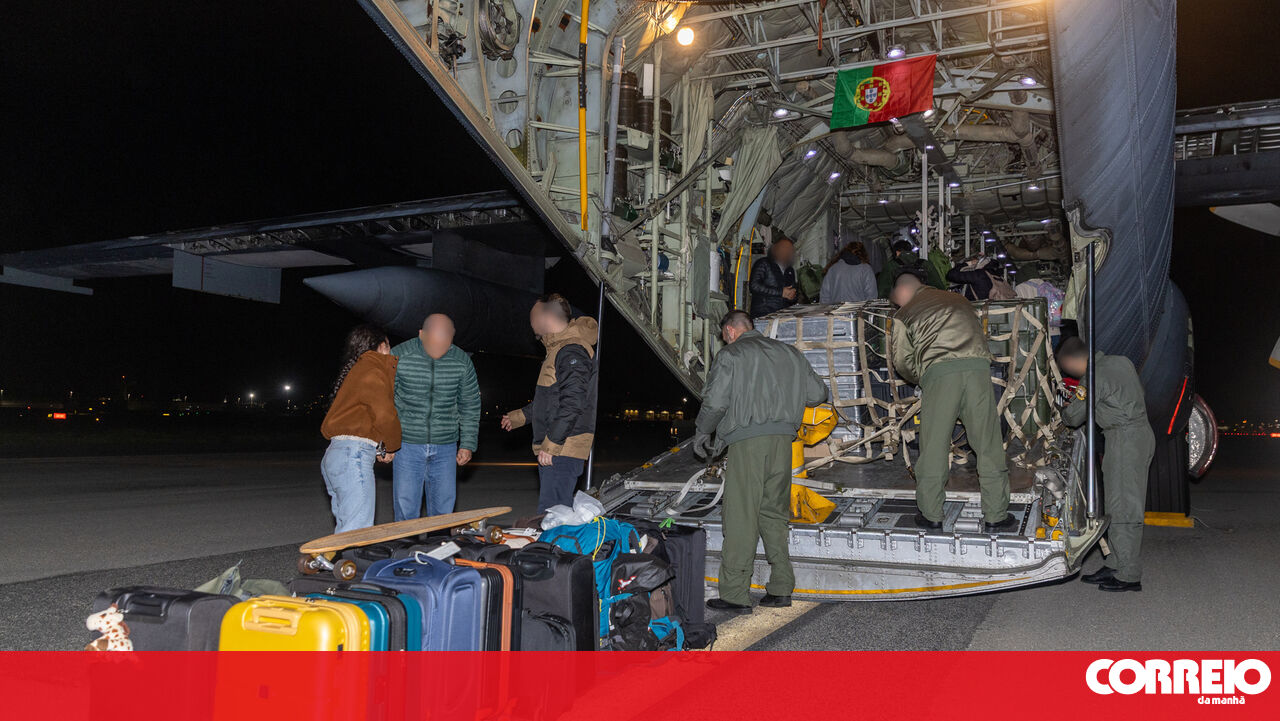
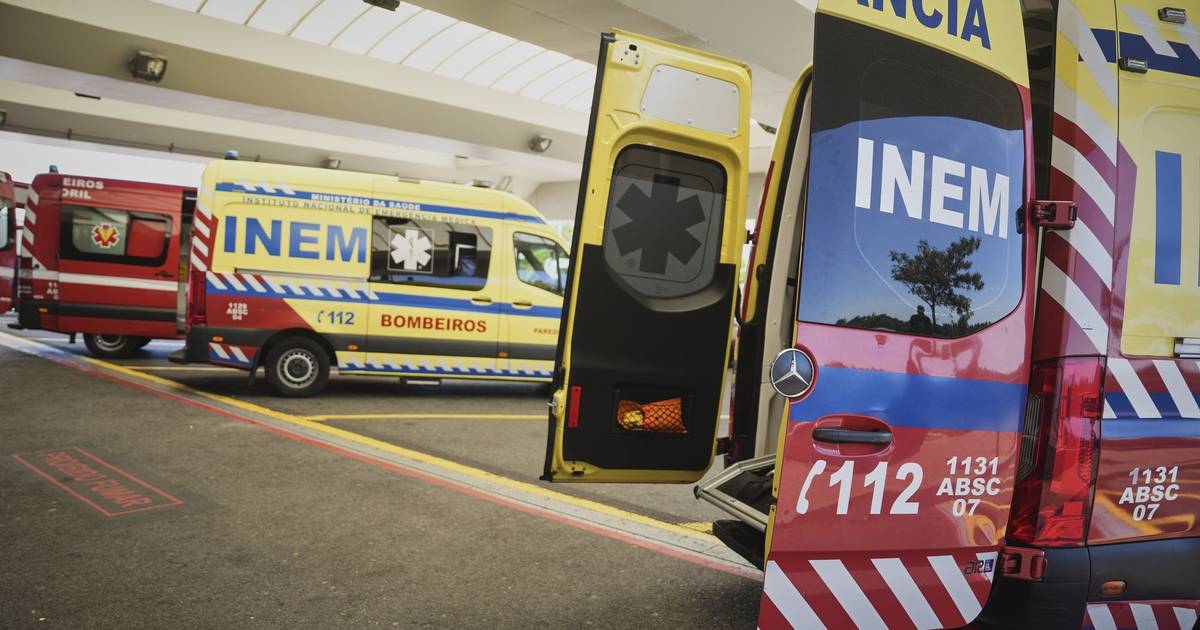
On Thursday, the Government declared a state of calamity for 60 municipalities in the areas most affected by Storm Kristin, while leaving the door open for other municipalities to be included. The duration of this exceptional state runs from midnight on Wednesday, 28 January, until next Sunday, 1 February, but ...
Before Storm Kristin, when was the state of calamity declared?
Friday, 30 January 2026RSS
Context & Explainers
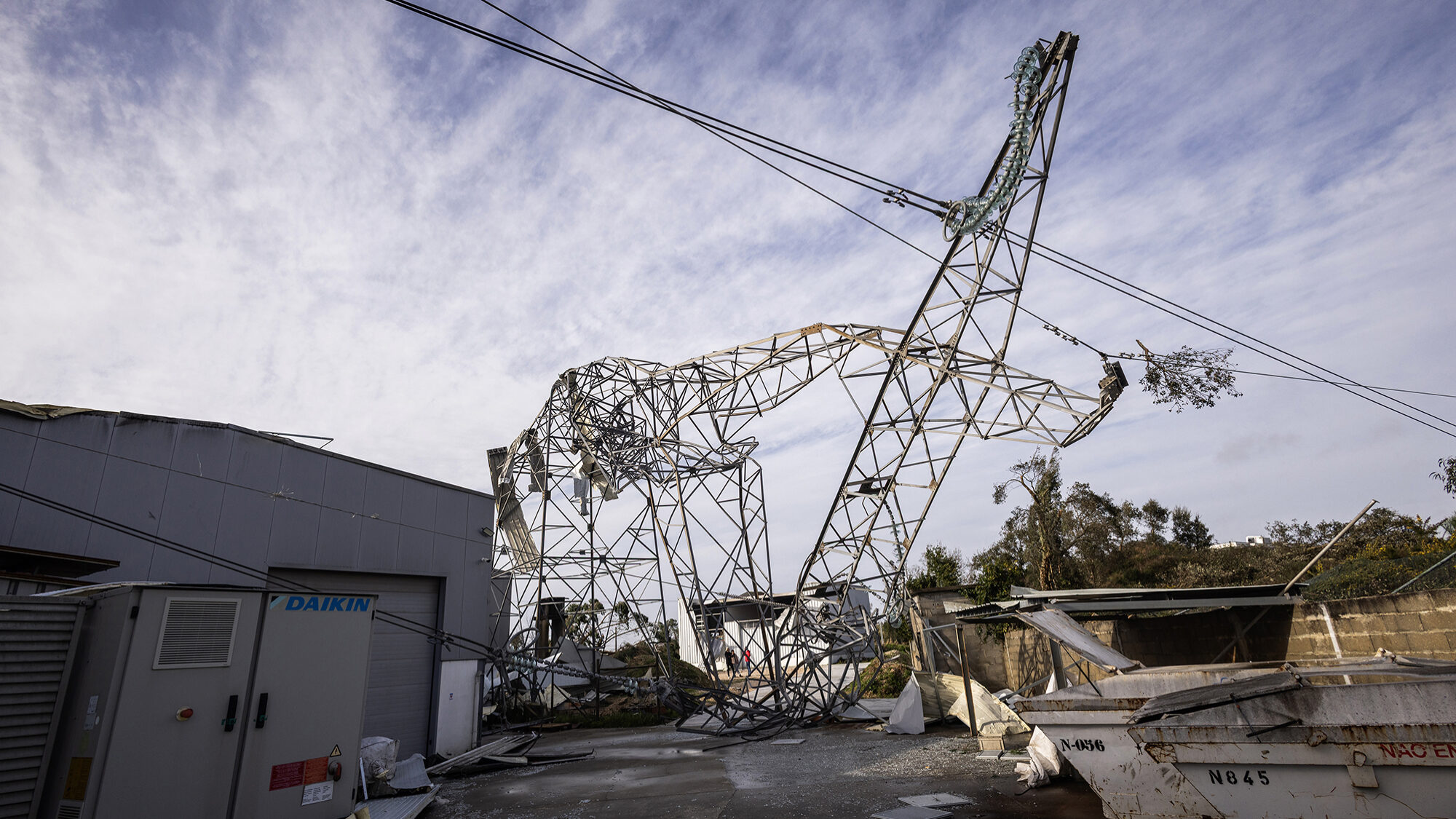
Storm Kristin was a named Atlantic storm that struck Portugal in late 2024, bringing heavy rainfall, strong winds (gusts exceeding 100 km/h in some areas), and significant coastal wave action. The storm caused widespread flooding, roof collapses, fallen trees, and power outages across several districts.
IPMA issued orange and red warnings for affected regions, and ANEPC activated emergency response plans. The impact was particularly severe in flood-prone areas of the Lisbon metropolitan area and the Tagus and Mondego river basins, where drainage systems were overwhelmed.
Storm Kristin highlighted recurring vulnerabilities in Portugal's infrastructure during extreme weather events — including urban drainage capacity, riverbank management, and the need for updated emergency response coordination. Residents in storm-affected areas were advised to follow civil protection guidance, avoid coastal zones and riverbanks, and report damage through municipal services.
A state of calamity (situação de calamidade) is the highest level of civil emergency Portugal can declare under its Civil Protection framework, short of a constitutional state of emergency. It is typically declared by the government in response to severe natural disasters such as major wildfires, floods, or storms.
A calamity declaration activates the National Civil Protection Emergency Plan, mobilizes additional resources, and grants authorities expanded powers to restrict movement, requisition private property, and deploy military assets. It also unlocks emergency financial support for affected populations and municipalities.
Portugal uses a three-tier alert system: alerta (alert), contingência (contingency), and calamidade (calamity), each with escalating levels of coordination and authority. The state of calamity requires coordination between the national government, ANEPC, local authorities, and emergency services.