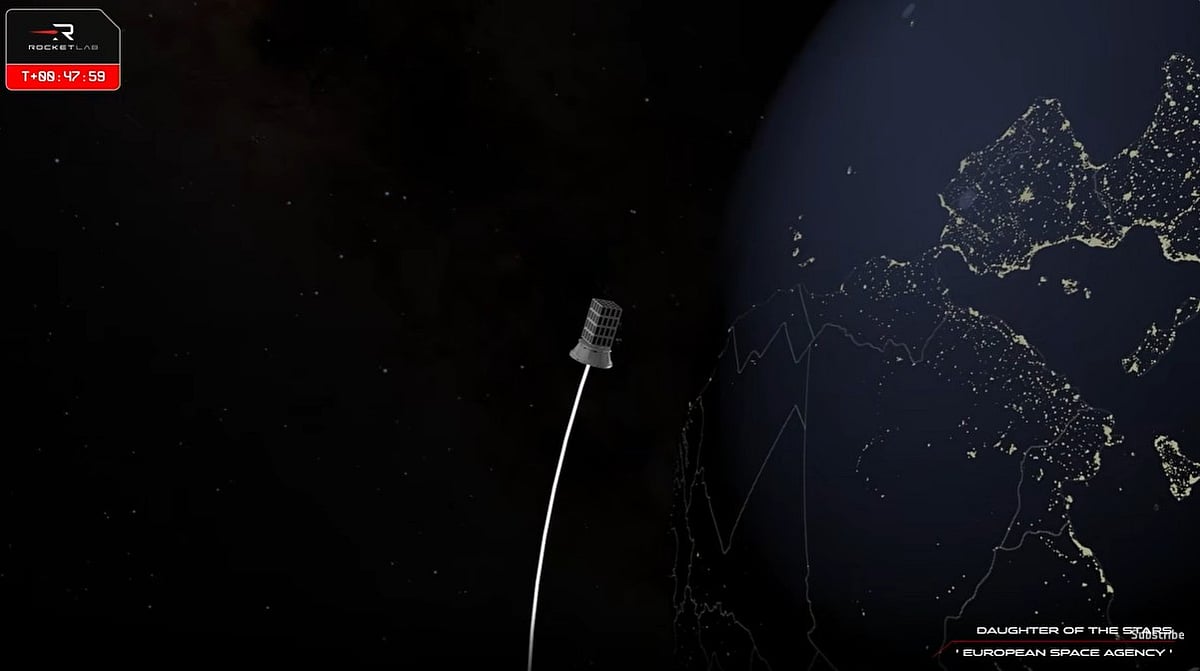
The European Space Agency's (ESA) Celeste mission IOD-1 satellite was successfully launched this Saturday, March 28, following two weather-related delays. The new Celeste programme aims to strengthen the Galileo system by expanding satellite coverage, assisting navigation during potential Galileo outages, and enabling new applications like autonomous driving. The mission, which incorporates Portuguese technology and will test a new form of navigation using low-orbit satellites, plans to launch 12 satellites in total. According to the GMV team in Portugal, which played a key role in testing critical components, this launch marks the beginning of a new generation of satellite navigation in Europe. The mission is named after Maria Celeste, daughter of Galileo Galilei, symbolising a 'daughter mission' that reinforces the Galileo system's robustness and precision. Program manager Roberto Prieto noted that the mission adds a layer of satellites flying closer to Earth to improve the current medium Earth orbit (MEO) Galileo system, addressing vulnerabilities such as solar storms and improving access to remote regions. Additionally, a separate report mentions a mystery involving a NASA astronaut who suddenly lost the ability to speak while in space.
Celeste mission's IOD-1 satellite successfully launched after two delays
Saturday, 28 March 2026RSS