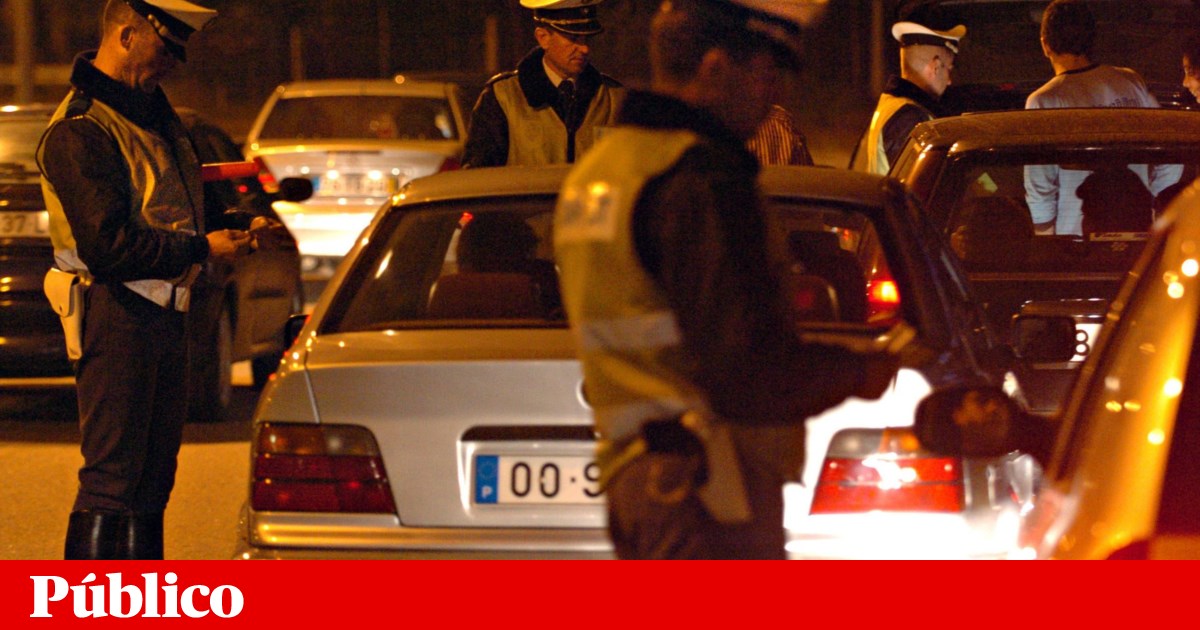
In 2009, before the Traffic Brigade was abolished, there were 2,300 GNR officers assigned to this area. Currently, there are about 1,300, representing a 43% decrease. There is no start date for the new GNR unit.
GNR traffic unit has lost 43% of its officers since the brigade was disbanded
Thursday, 16 April 2026RSS
Context & Explainers

The GNR (Guarda Nacional Republicana) is Portugal's national gendarmerie—a military police force founded in 1911, with origins dating to 1801. With over 22,600 personnel, GNR patrols 94-96% of Portuguese territory, covering rural areas, medium towns, and highways. Members are military personnel subject to military law, responsible for public order, customs, coastal control, environmental protection (SEPNA), firefighting/rescue (GIPS), border control, and ceremonial guards. GNR vs. PSP: The PSP (Polícia de Segurança Pública) is Portugal's civilian police force, covering major cities (Lisbon, Porto, Faro) and large urban areas—only 4% of territory but roughly half the population. PSP handles airport security, diplomatic protection, and private security regulation. Both share core missions (public order, crime prevention), but differ in nature: GNR is military with military training; PSP is civilian with police-focused training.
AI Summary AvailableGovernment to reactivate GNR Traffic BrigadeRead the synthesized summary with context and explainers
View full article on publico.ptRSS source
Other news coverage of this topic
- President of the Sergeants' Association speaks on the reactivation of the GNR Traffic Brigade 20 years after its extinction • Correio da Manhã
- GNR has already disclosed the guidelines of the new traffic model to the guards • RTP Notícias
- With the Traffic Brigade, we had almost double the number of road deaths that we have today • CNN Portugal
- Road Safety Association welcomes the reactivation of the Traffic Brigade • Observador
- GNR officers' association says the reactivation of the Traffic Brigade "has advantages and disadvantages" • Correio da Manhã
- A crackdown on traffic fines is coming to the roads • Público