On the eve of the parliamentary review of the Nationality Law and amendments to the Penal Code, which would allow for the loss of Portuguese nationality for those convicted of serious crimes, the AD coalition parties are hoping to pass changes this Wednesday that satisfy the Constitutional Court's reservations while securing enough support or abstentions from the opposition. The proposal aims to balance strict requirements for nationality loss—such as a minimum six-year effective prison sentence for specific crimes—with the need for constitutional compliance. Meanwhile, the PS has proposed its own amendments, including a phased implementation and a transitional regime, while opposing the automatic loss of nationality for certain convictions. Official data shows that nationality application processes reached a record high in 2025, even as new applications and approvals hit decade-long lows.
AD does not give up on Nationality Law despite Constitutional Court scrutiny

Context & Explainers
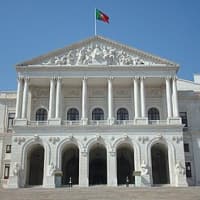
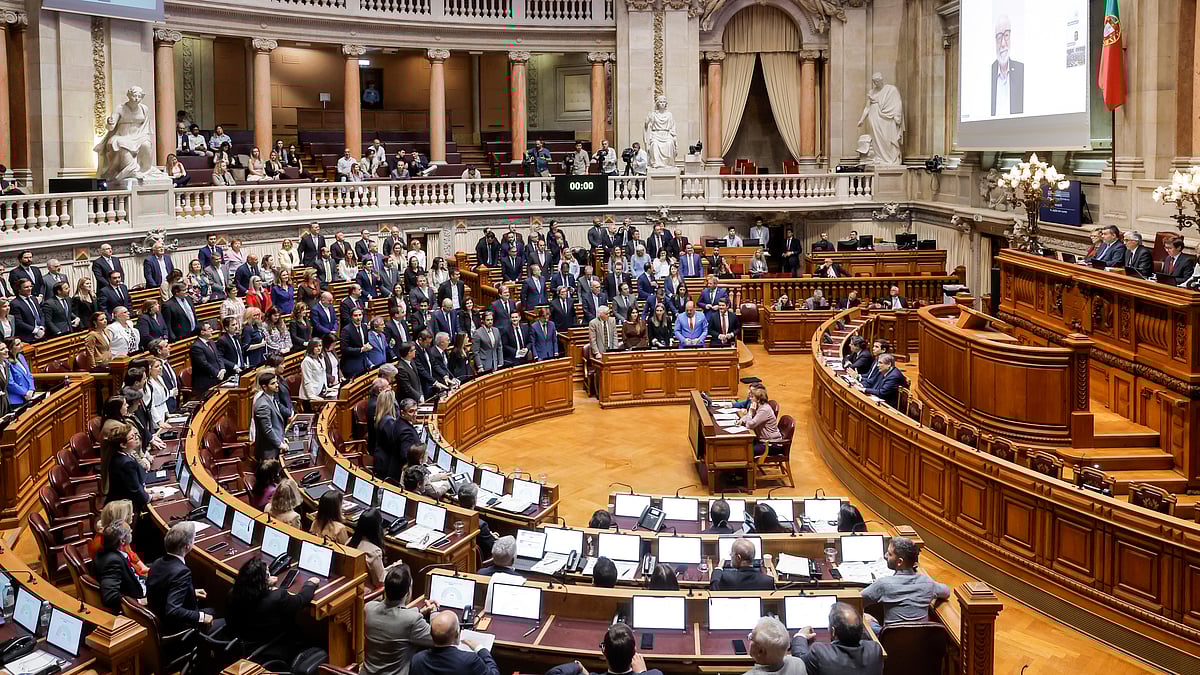
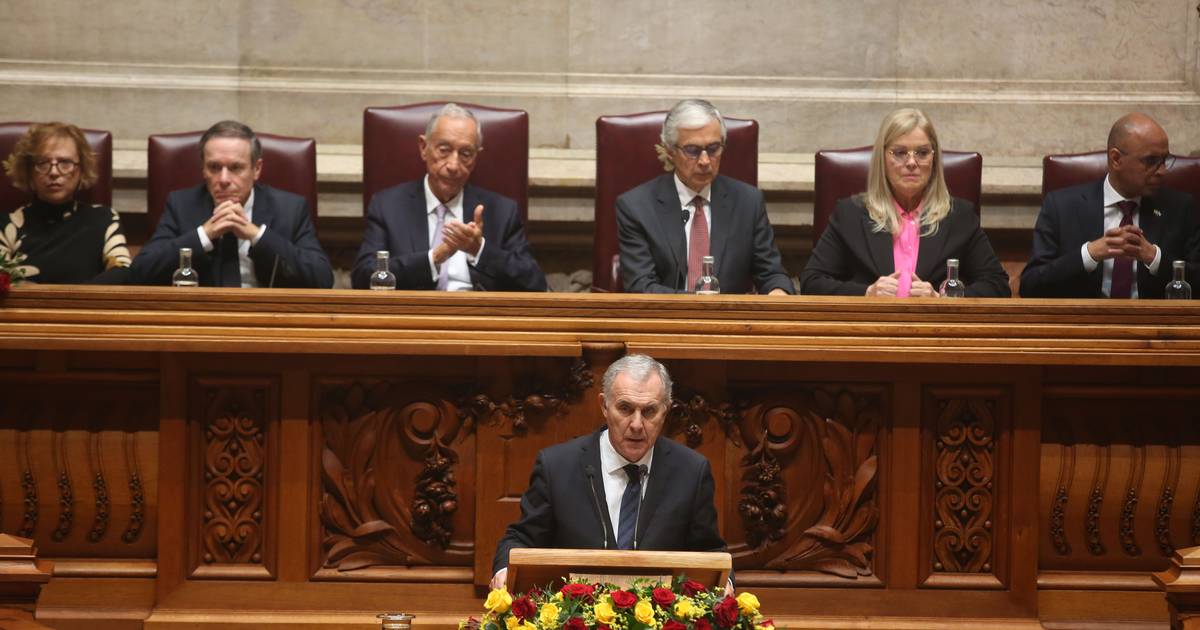
The Assembly of the Republic (Assembleia da República) is Portugal's unicameral parliament, located in the Palácio de São Bento in Lisbon. It consists of 230 deputies elected by proportional representation for four-year terms.
The Assembly's powers include making and amending laws, approving the state budget, ratifying international treaties, and overseeing the government through debates, hearings, and committees. It can also pass votes of no confidence to bring down a government, as happened in March 2025.
Following the May 2025 elections, the current parliamentary composition is led by the Democratic Alliance (AD) with the largest share of seats, followed by Chega, PS, and smaller parties including the Liberal Initiative, Left Bloc, Livre, and PCP.
The Constitutional Court (Tribunal Constitucional) is Portugal's highest court for constitutional review. Its primary role is to assess whether laws, decrees, and government actions comply with the Portuguese Constitution, and it has the power to strike down or suspend unconstitutional measures.
The court consists of 13 judges — 10 appointed by the Assembly of the Republic and 3 co-opted by the other judges. It also oversees the legality of political parties and their finances, verifies election results, and rules on the constitutionality of referendums.
The Constitutional Court is frequently in the news when opposition parties, the President, or the Ombudsman refer controversial legislation for review — such as labor reforms, housing laws, or immigration policy changes. Its rulings are final and binding.
Health cards are private membership or discount schemes sold by companies that offer access to consultations, tests or reduced fees at private clinics; they are not the public health service. The Socialist Party (Partido Socialista or PS) has proposed regulation to increase transparency and protect consumers from misleading marketing or unexpected charges.
Hugo Soares is the PSD parliamentary leader, as noted during a recent biweekly debate. He warned the PSD will pursue all available measures if it believes an amendment to the lay-off decree-law approved by the opposition violates the law, which matters for workers and employers following labour-rule changes.

Chega ("Enough") is a Portuguese far-right populist party founded in 2019 by André Ventura. It positions itself as an anti-establishment movement against what it calls a "rotten and corrupt system" of PS-PSD dominance. The party surged from 1.3% in 2019 to 22.8% in May 2025, becoming parliament's second-largest force with 60 seats. Chega's core platform emphasizes strict immigration control—ending automatic CPLP residency, deporting non-independent immigrants, implementing job-market quotas, and requiring five-year social security contributions before benefit access. It advocates radical constitutional reform, including reducing parliament to 100 members, abolishing the prime minister position for a presidential system, and dismantling public healthcare. Law-and-order policies include life imprisonment and chemical castration proposals.
The party is defined by inflammatory anti-Romani rhetoric, with Ventura convicted multiple times for discrimination. Chega maintains international alignments with European far-right figures including Marine Le Pen, Santiago Abascal, and Matteo Salvini. Mainstream Portuguese parties, including Prime Minister Luís Montenegro's government, have imposed a cordon sanitaire, refusing coalition with Chega despite its parliamentary strength.
RSS source
Other news coverage of this topic
- Parliament re-examines nationality law vetoed this Wednesday without guarantees of approval • Correio da Manhã
- Banking "cartel": "we can only collectively censure" • Observador
- PSD and Chega insist on loss of nationality, PS demands a transitional period: what separates the parties in the review of the law • Expresso
- Counterpoint. The Nationality Law and the RASI conclusions • RTP Notícias
- New Nationality Law without guarantee of approval in Parliament • RTP Notícias
- Talks until the last minute, majority confident there will be a new Nationality Law • Público