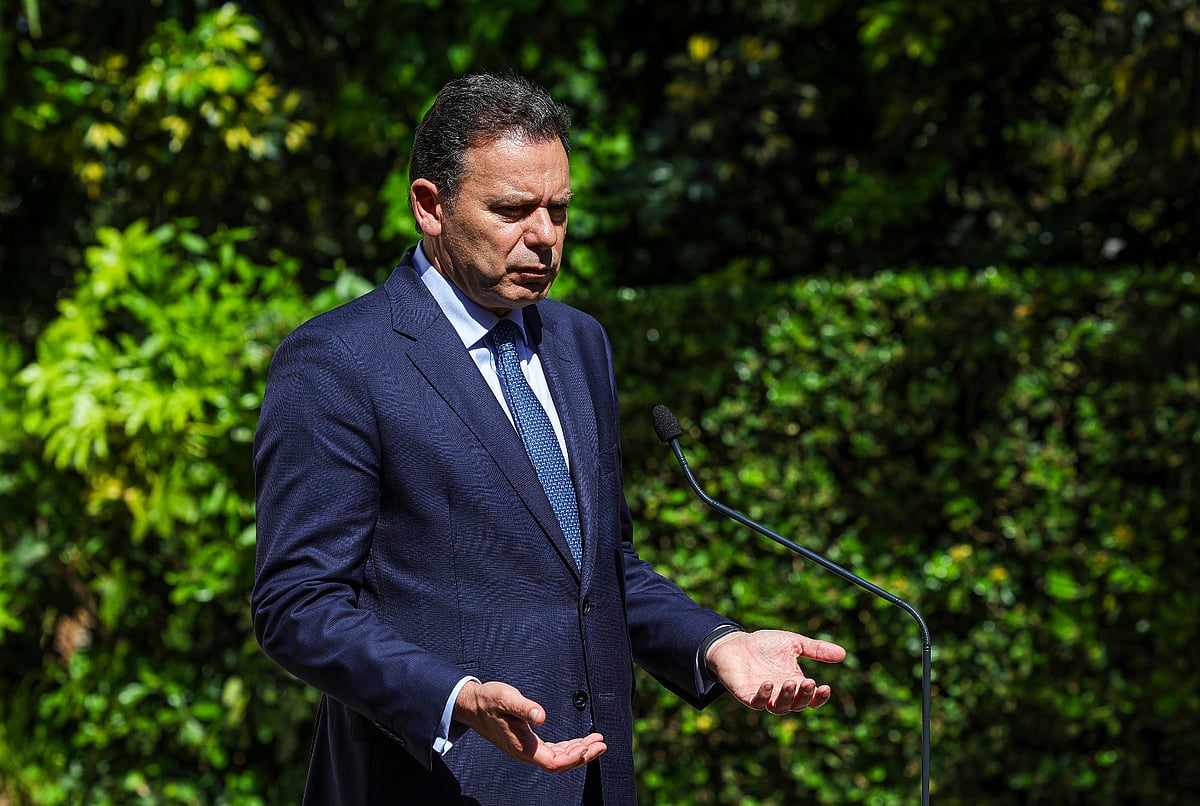
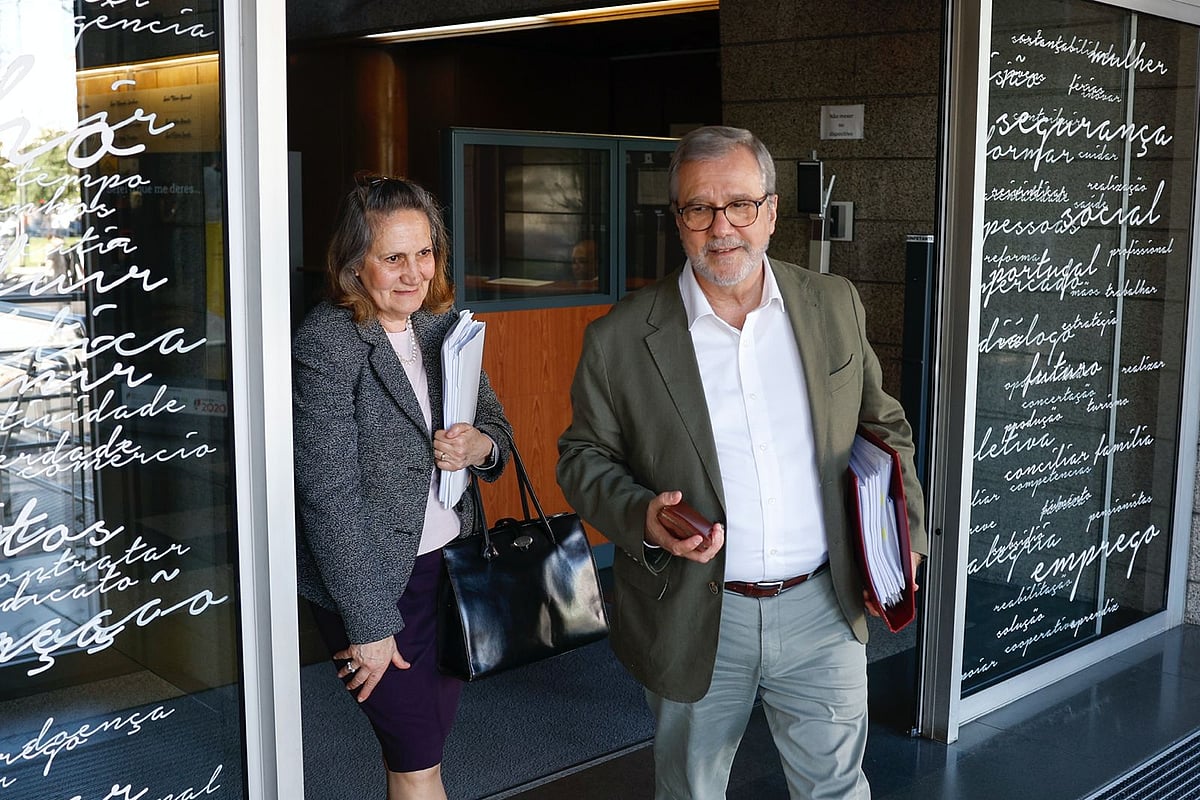
The PS leader responded to the PSD parliamentary group leader, who spoke about the end of negotiations on the labour package.
José Luís Carneiro says those who want to dialogue with the UGT should ask directly
Tuesday, 10 March 2026RSS

Context & Explainers
- Minister of Labour, Solidarity and Social Security (2024–present)
- Party: Independent (appointed by AD government)
- Background: Professor of Labour Law, University of Lisbon
Rosário Maria Ribeiro da Costa Palma Ramalho is a distinguished labor law academic who was appointed Minister of Labour in the XXV Constitutional Government under Luís Montenegro. She is one of Portugal's leading experts on employment law, having authored major textbooks and legal commentaries on the Portuguese Labour Code.
As minister, she leads negotiations with trade unions (CGTP, UGT) and employer confederations on labor reform, including changes to dismissal rules, working time flexibility, and collective bargaining. Her academic background gives her unusual technical authority in a portfolio that is typically politically charged.

The General Union of Workers (UGT – União Geral de Trabalhadores) is one of Portugal’s two main national trade union confederations. Founded in Lisbon on 28 October 1978, it was created as a social‑democratic alternative to the more communist‑aligned CGTP after the 1974 Revolution, grouping unions close to the Socialist Party and moderate centre‑right currents.
UGT represents around 400,000 workers and is affiliated to the European Trade Union Confederation and International Trade Union Confederation, giving Portuguese labour a voice at EU and global level. Its principles stress union independence from the state, employers, churches and parties, internal democracy and active worker participation.
Historically, UGT’s hallmark has been “propositive” social dialogue: it is usually more willing than CGTP to sign tripartite agreements on wages, labour law and social policy with governments and employers, shaping minimum wage increases, working‑time rules and social protection reforms. This makes UGT a key centrist actor in Portugal’s industrial relations, often mediating between left and right while defending collective bargaining and incremental improvements to labour rights.
AI Summary AvailableConfederations available to return to labour law negotiations, UGT says it never leftRead the synthesized summary with context and explainers
View full article on cmjornal.ptRSS source
Other news coverage of this topic
- Seguro says he wants to look at the country as a whole and calls for an agreement on labour reform • Correio da Manhã
- Social partners and Government resume labour law negotiations • Correio da Manhã
- Negotiations at a snail's pace • Correio da Manhã
- Carneiro: whoever wants to talk to the UGT should ask them directly • Observador
- UGT: Prime Minister must say if the Government 'stays or goes' • Observador
- José Luís Carneiro says that those who want to dialogue with the UGT should ask them directly • RTP Notícias
- Labour law: the agreement the Government needs • Público
- "It is up to the UGT to yield": Hugo Soares calls for "goodwill and an open mind" regarding the labour package • CNN Portugal
- UGT remains available to negotiate labour law but: employers "are in a great hurry" • CNN Portugal
- Labour package. Mário Mourão says that if "there is any intransigence" it is not on the part of the UGT • RTP Notícias
- Labour law. Mário Mourão says that if "there is any intransigence" it is not on the part of the UGT • RTP Notícias
- PS asks the Government to suspend the State's exit from the António Sérgio Cooperative • Público
- Confederations willing to continue labour law negotiations, UGT says it never left • Expresso
- Seguro revives negotiations for a labour agreement • Dinheiro Vivo
- Time bank, outsourcing, and fixed-term contracts hinder UGT in labour agreement • Público
- President called for a "balanced agreement". Partners available to resume negotiations • RTP Notícias
- Labour laws: will Seguro's appeal fall on deaf ears? • Público
- Confederations available to return to labour law negotiations, UGT says it never left • Correio da Manhã