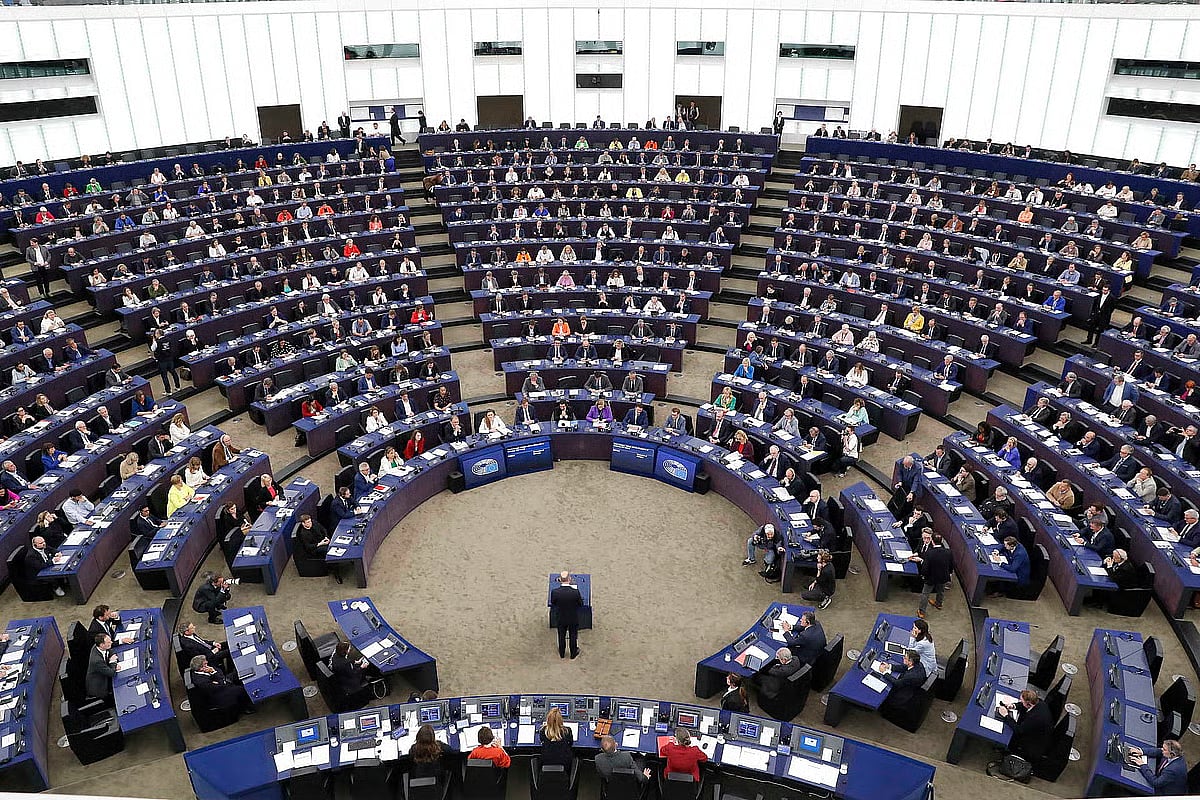
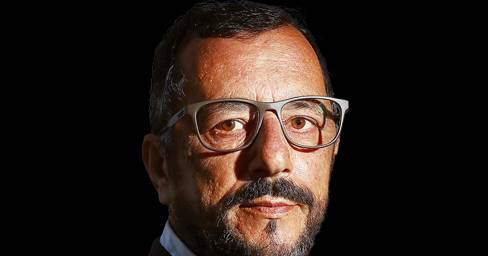
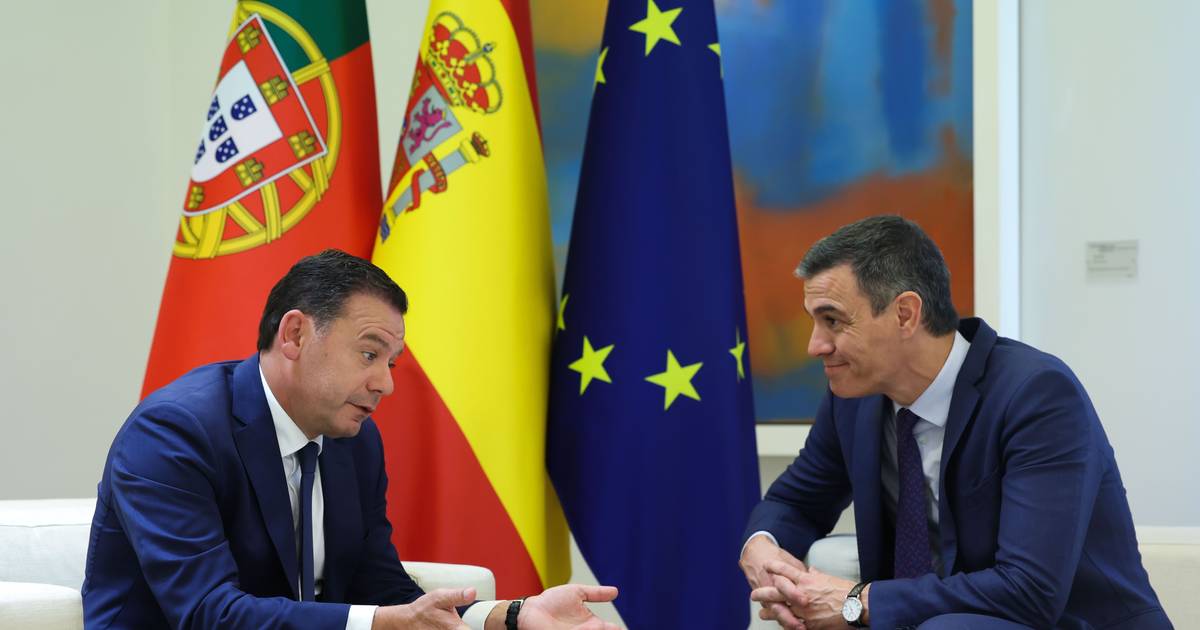
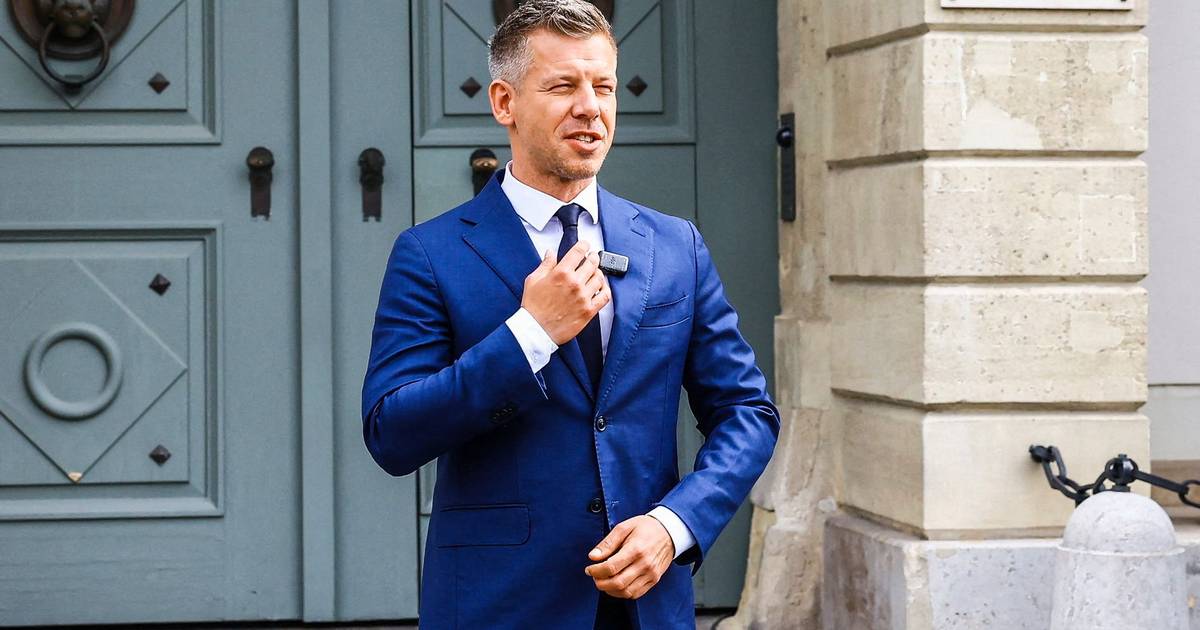
Rui Tavares thinks it is rather foolish to believe that only our ancestors could have allowed the radicalism of the 1930s to come to power. We are not immune, and Hungary is a case that deserves close scrutiny precisely because it has already gone through several cycles of populism and is only now, amidst great uncertainty, experiencing something else. How can civic participation be guaranteed after such an overwhelming victory? How can one avoid falling into the same traps of power? And what could the EU do to try to prevent member states from sliding into illiberal regimes?
Orbán is finished, but populism is far from it: “Civil society today is more fragile than it was 100 years ago, and that makes the risk greater”
Monday, 20 April 2026RSS
Context & Explainers
Populism is a political style that frames politics as a struggle between 'the people' and a corrupt elite, often using simple messaging, charismatic leaders and direct appeals to public sentiment; it can appear on both the left and right. It matters for expats because populist rhetoric or governments can drive quick policy shifts on immigration, taxation and business regulation, so monitoring election campaigns and major reforms helps anticipate changes that could affect residency, work or services.