The deadline is now set to be up to 30 days after the end of the state of emergency, which concluded on 15 February in the 68 municipalities of the country where it had been declared.
Government brings forward deadline to 17 March for applying for citizen card without payment
Thursday, 19 February 2026RSS
Context & Explainers
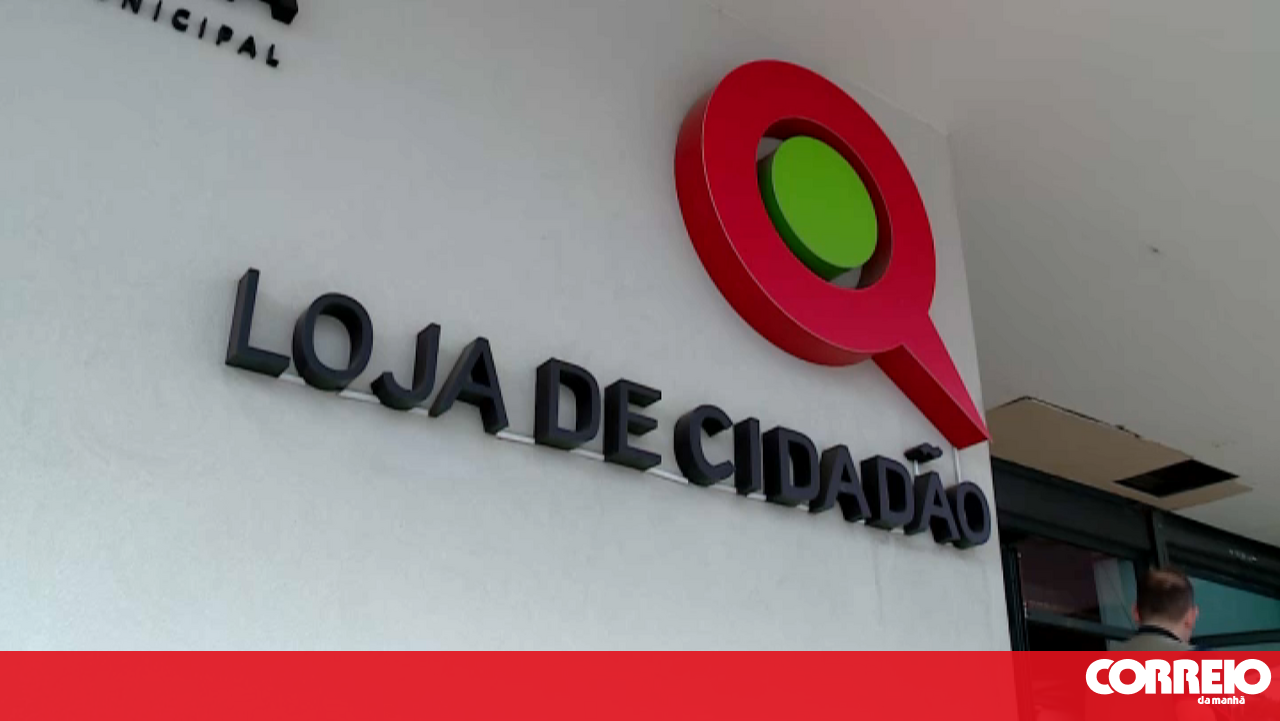
The citizen card (Cartão de Cidadão) is Portugal’s national identity card for Portuguese citizens; it holds your name, photo and key official numbers such as your tax number (NIF) and social-security number, and is used for banking, public services and voting. A decree published in the Diário da República today waives replacement fees for people in municipalities hit by storm Kristin who lost or misplaced their citizen card; non-citizen residents should use their residence permit card (Autorização de Residência or Cartão de Residência) and contact their local town hall or a Citizen Shop (Loja do Cidadão) for assistance.
A state of calamity (situação de calamidade) is the highest level of civil emergency Portugal can declare under its Civil Protection framework, short of a constitutional state of emergency. It is typically declared by the government in response to severe natural disasters such as major wildfires, floods, or storms.
A calamity declaration activates the National Civil Protection Emergency Plan, mobilizes additional resources, and grants authorities expanded powers to restrict movement, requisition private property, and deploy military assets. It also unlocks emergency financial support for affected populations and municipalities.
Portugal uses a three-tier alert system: alerta (alert), contingência (contingency), and calamidade (calamity), each with escalating levels of coordination and authority. The state of calamity requires coordination between the national government, ANEPC, local authorities, and emergency services.
The Cartão de Cidadão (Citizen Card) is Portugal’s national identity card, introduced in 2007, used for in‑person ID and many online public services; it contains your civil identity data and supports digital authentication and signatures. It is issued to Portuguese citizens—foreign residents use a residence permit for ID—so non‑citizen expats should keep their passport and residence card for official matters.

Storm Kristin was a named Atlantic storm that struck Portugal in late 2024, bringing heavy rainfall, strong winds (gusts exceeding 100 km/h in some areas), and significant coastal wave action. The storm caused widespread flooding, roof collapses, fallen trees, and power outages across several districts.
IPMA issued orange and red warnings for affected regions, and ANEPC activated emergency response plans. The impact was particularly severe in flood-prone areas of the Lisbon metropolitan area and the Tagus and Mondego river basins, where drainage systems were overwhelmed.
Storm Kristin highlighted recurring vulnerabilities in Portugal's infrastructure during extreme weather events — including urban drainage capacity, riverbank management, and the need for updated emergency response coordination. Residents in storm-affected areas were advised to follow civil protection guidance, avoid coastal zones and riverbanks, and report damage through municipal services.
AI Summary AvailableDeadline moved to March 17 for free citizen cardRead the synthesized summary with context and explainers
View full article on cmjornal.pt