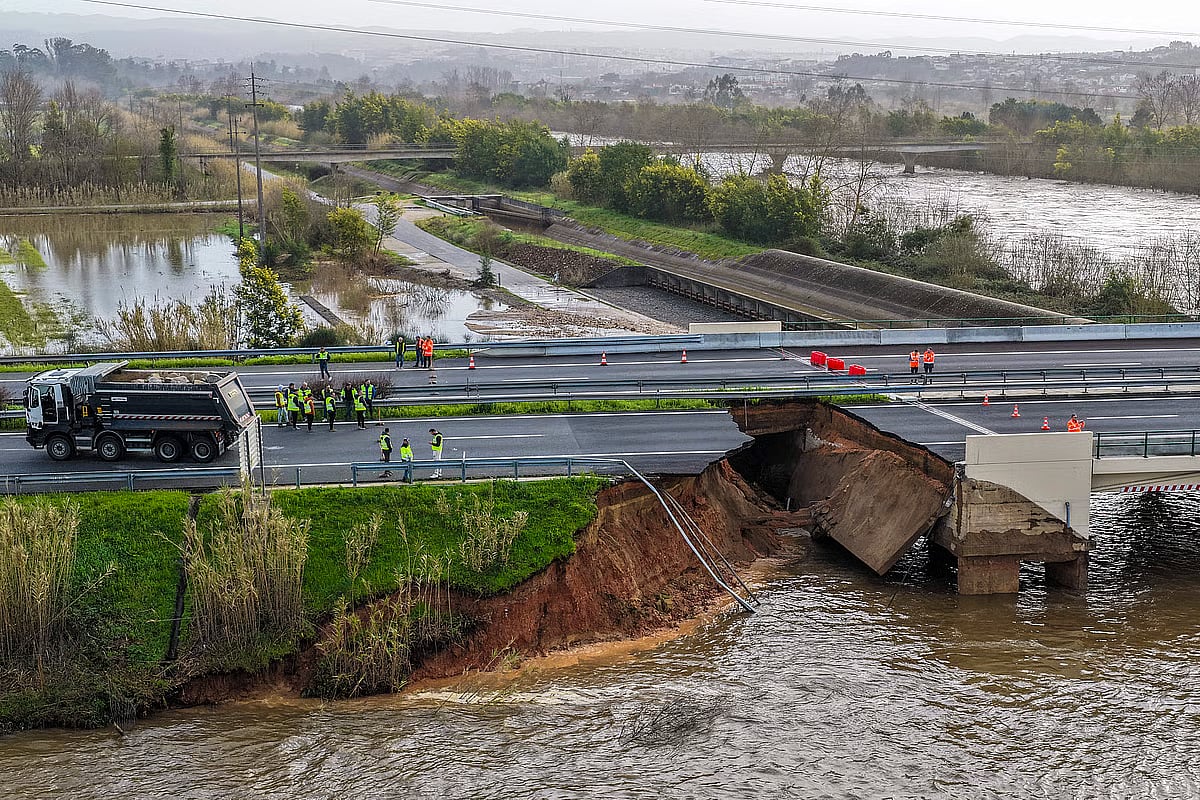
In Portugal, we often find ourselves waiting. We wait for a new international airport in Lisbon, even though the current one is outdated and insufficient. We waited for High-Speed Rail from various governments, which has harmed exports and business development in the interior. We have idioms like 'Santa Engrácia's works', referring to projects that take centuries to complete. It took over a decade to establish a Development Bank that functions properly. The idea of a state-linked financial institution arises when private banks fail to provide necessary funding. This was evident during the 2008 financial crisis and again in 2012. In 2014, the Financial Development Institution (IFD) was created to address market failures in SME financing using European funds. It took another six years to reach the current model. In 2020, Minister Pedro Siza Vieira merged the IFD with PME Investimentos and SPGM to form the current Portuguese Development Bank (BPF). Recently, the BPF faced a significant test as central Portugal was flooded, leaving businesses struggling. Under the leadership of Gonçalo Regalado, the BPF quickly mobilised to address thousands of support requests and coordinate reconstruction funds. The BPF's leadership recognised that speed of intervention is crucial during crises. They managed to process €748 million of the €1.1 billion in applications in just nine working days, demonstrating a commitment to trust and support businesses. The BPF is now focused on reconstruction and revitalising companies, having learned valuable lessons from its establishment process.
A Development Bank as it Should Be
Thursday, 26 February 2026RSS

Context & Explainers
The Development Bank in Portugal refers to the state-backed development institution, Banco Português de Fomento (Portuguese Development Bank), which provides financing tools, guarantees and co-investment for strategic public-interest projects. In the housing context it can issue guarantees and support loans for construction or refurbishment of affordable homes and for housing cooperatives, so budgeted sums from the bank directly affect affordable housing schemes.