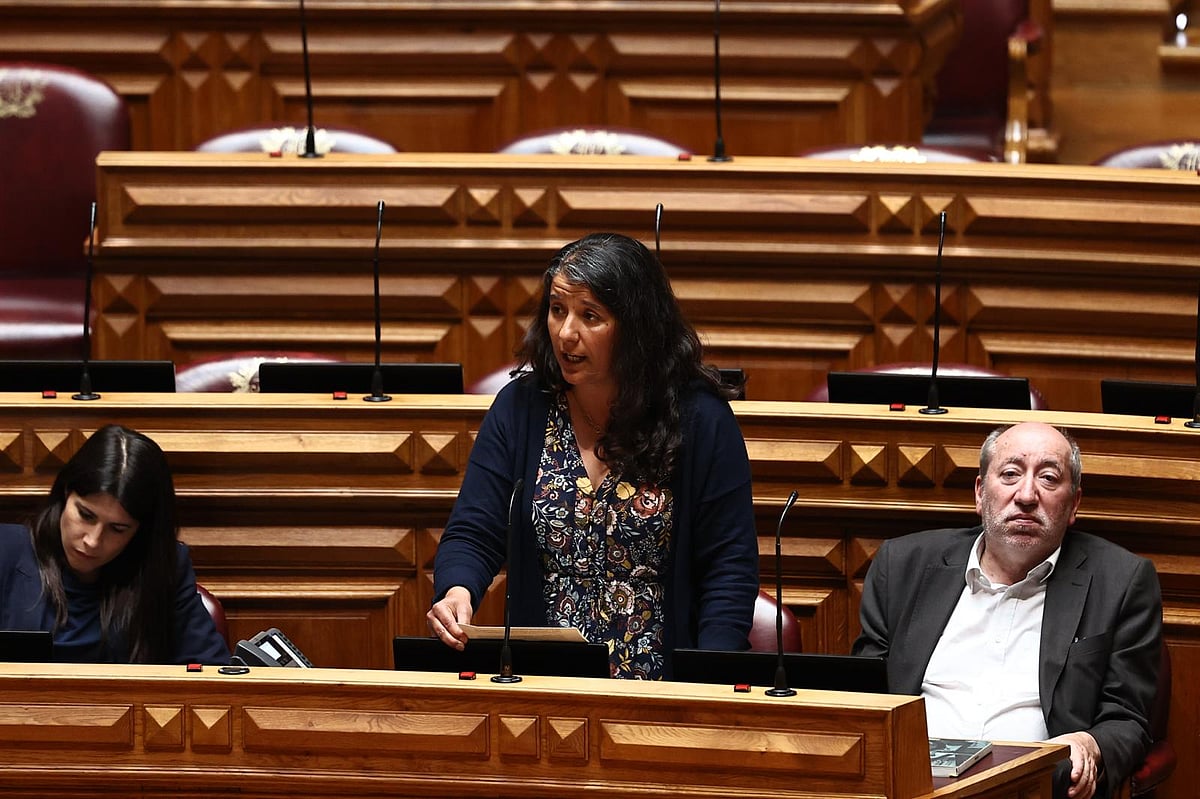
The PCP has questioned the Government regarding the oversight of 'gold' visas, specifically asking when the last audit of Residence Permits for Investment (ARI) was performed. The party highlights that in 2025, approximately 293 capital transfers were made under this regime. PCP deputy Paula Santos criticizes the system as a form of 'injustice' that facilitates residency and potential citizenship for wealthy individuals, while the government imposes stricter conditions on other foreigners. The party argues that the regime has failed to generate productive investment or employment, instead contributing to real estate speculation and housing price increases.
PCP wants the Government to clarify when the last audit of 'gold' visas was conducted
Friday, 17 April 2026RSS
Context & Explainers
The Golden Visa (Autorização de Residência para Investimento, ARI) is Portugal's residence-by-investment program, created in 2012, granting non-EU nationals a residency permit in exchange for qualifying investments.
Since October 2023, direct residential real estate purchases no longer qualify — a reform aimed at easing housing market pressure. Eligible investment routes now include capital transfers (€500,000+), investment fund subscriptions, job creation, and contributions to scientific research or cultural heritage. Minimum amounts and conditions vary by category.
A Golden Visa provides Schengen travel rights, requires minimal physical presence in Portugal (7 days per year), and offers a pathway to permanent residency after five years and citizenship after six. The program has been politically controversial, with ongoing debate about its impact on housing prices and its value as an economic stimulus.
Applicants must deal with AIMA for residency processing, which has experienced significant backlogs.