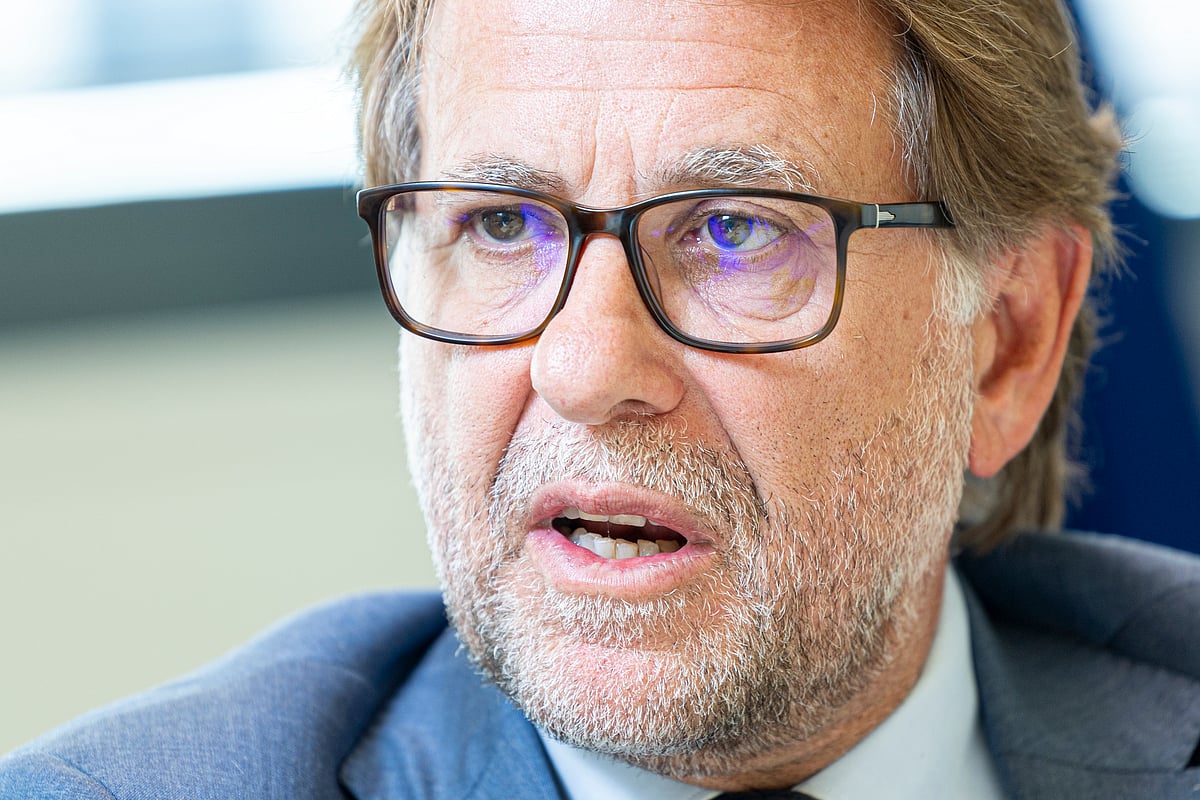
“In a democracy, authority is not an instrument of arbitrary imposition, but rather an expression of a collective will, legitimised by the rule of law,” declared António José Seguro.
President salutes GNR for its 115 years of existence and condemns assaults on military personnel
Sunday, 3 May 2026RSS
Context & Explainers

The GNR (Guarda Nacional Republicana) is Portugal's national gendarmerie—a military police force founded in 1911, with origins dating to 1801. With over 22,600 personnel, GNR patrols 94-96% of Portuguese territory, covering rural areas, medium towns, and highways. Members are military personnel subject to military law, responsible for public order, customs, coastal control, environmental protection (SEPNA), firefighting/rescue (GIPS), border control, and ceremonial guards. GNR vs. PSP: The PSP (Polícia de Segurança Pública) is Portugal's civilian police force, covering major cities (Lisbon, Porto, Faro) and large urban areas—only 4% of territory but roughly half the population. PSP handles airport security, diplomatic protection, and private security regulation. Both share core missions (public order, crime prevention), but differ in nature: GNR is military with military training; PSP is civilian with police-focused training.

- President of Portugal (since March 9, 2026)
- Party: Independent. Former leader of the Socialist Party (PS), Partido Socialista
- Center-left
António José Martins Seguro (born March 11, 1962, in Penamacor) is a lawyer, political scientist, and the current President of the Portuguese Republic, inaugurated on March 9, 2026 after winning the two-round presidential election in January–February 2026.
Career: He led Socialist Youth (1990–1994), served as MEP (1999–2001), was Minister Adjunct to PM António Guterres (2001–2002), and led the PS parliamentary group (2004–2005). Elected PS Secretary-General in 2011 with 68%, he led the opposition during Portugal's bailout era. In 2014, António Costa defeated him in party primaries by a landslide, prompting Seguro's resignation and a decade-long retreat from politics. He returned in 2025, launching the movement UPortugal and announcing his presidential candidacy in June. He received official PS backing in October 2025 and won the presidency in February 2026.
Political philosophy: Seguro positions himself as representing a "modern and moderate" left, advocating financial responsibility while opposing austerity. As President, he has emphasized institutional trust, efficient governance, and a collaborative relationship with the government while maintaining rigorous constitutional oversight.
AI Summary AvailableGNR commander warns of emerging threats to national securityRead the synthesized summary with context and explainers
View full article on publico.ptRSS source
Other news coverage of this topic
- "Portugal knows of your effort": Seguro greets GNR and condemns assaults on military personnel • SIC Notícias
- 115 years of the GNR. Seguro condemns violence against security officers • rtp.pt
- President greets GNR on its 115th anniversary and condemns assaults on officers • rtp.pt
- 115 years of the GNR. Seguro condemns violence against security officers • rtp.pt
- Minister praises GNR on its 115th anniversary • observador.pt