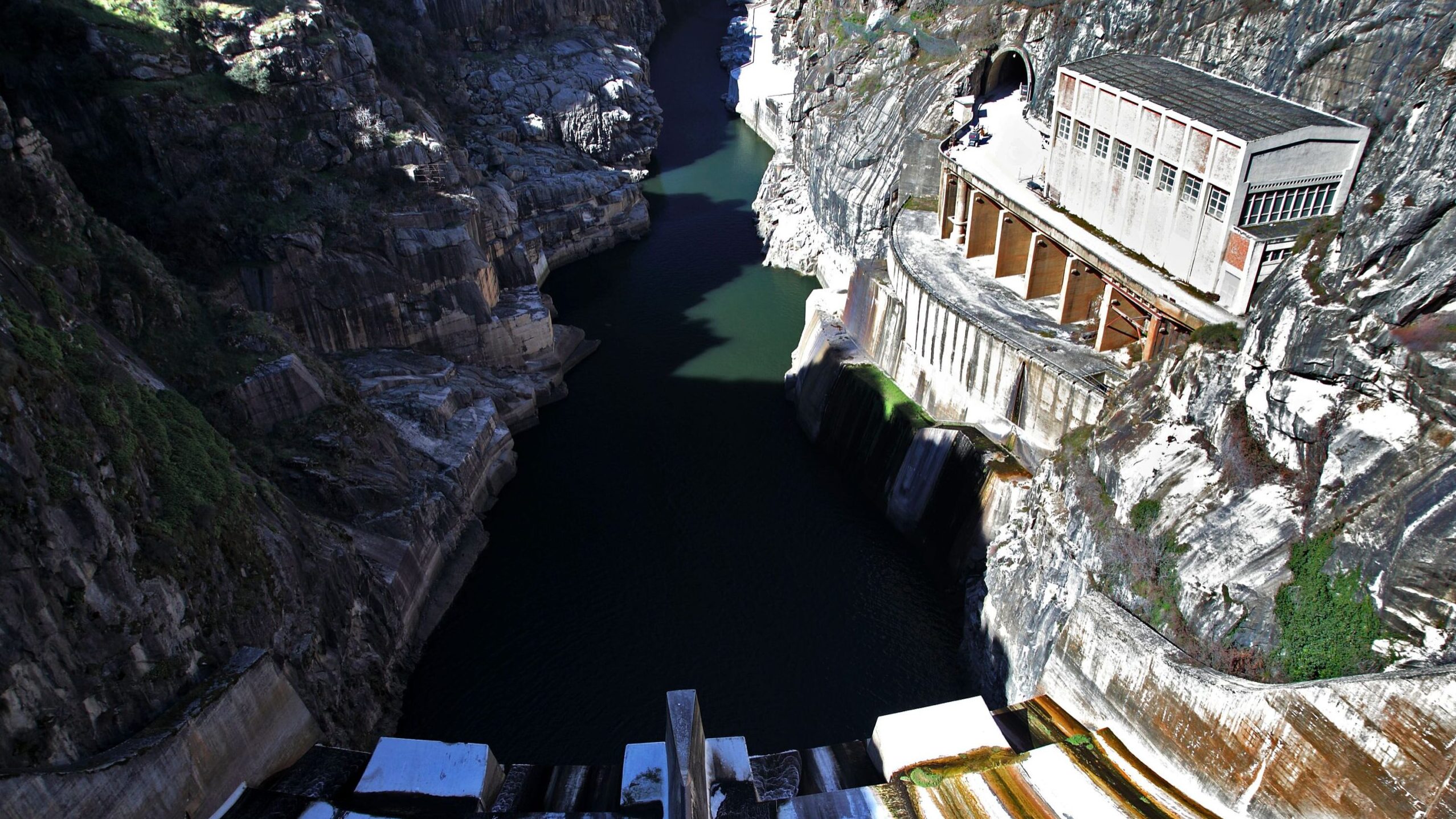
The tax authority demanded €62 million in IMI (municipal property tax) from dam concessionaires, but the State collected only 3% of the amount because the remaining tax assessments are being contested in court, the institution's director said today. Helena Borges, director of the Tax and Customs Authority (AT), was speaking in parliament at the Budget and Finance Committee.
Tax authorities demanded €62 million in IMI from dam concessionaires but they paid only 3%
Wednesday, 21 January 2026RSS
Context & Explainers
The municipal property tax (Imposto Municipal sobre Imóveis), known as IMI, is an annual tax on property ownership calculated from the property’s taxable value, with the exact rate set by each municipality. For expats who own property, IMI is a recurring local cost that can vary by location and is often central to policy discussions about housing affordability.
Housing fiscal measures are government tax changes or incentives aimed at the property market — examples include changes to property tax (IMI Imposto Municipal sobre Imóveis), stamp or transfer taxes (IMT Imposto Municipal sobre Transmissões Onerosas de Imóveis) and income‑tax (IRS Imposto sobre o Rendimento das Pessoas Singulares) deductions for renovations or rental incentives. The estimated €200–300 million budgetary cost shows the measures have a meaningful impact on public finances and signals whether the government is prioritising tax relief for homeowners, landlords or construction, which can affect property prices and rental markets that matter to expats.