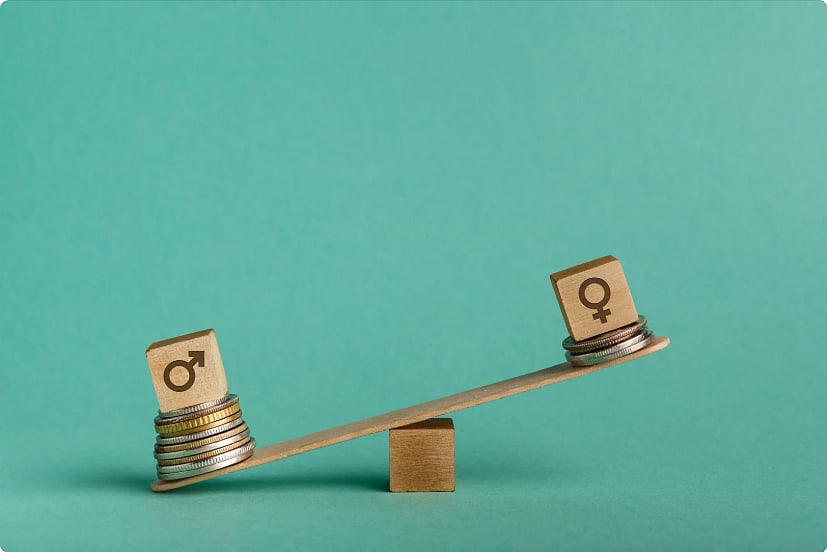
The topic of wage inequality returns to the forefront of debate, especially as International Women's Day is celebrated on Sunday, March 8. In Portugal, the wage gap between men and women remains significant, around 15%, and can approach 30% in management and top positions. Joana Silva, a professor at the Catholic University and deputy chief economist at the World Bank, highlighted that this gender gap persists even when comparing workers in similar roles. She noted that the wage trajectories of men and women diverge significantly after the birth of the first child, leading to a widening wage gap. Factors such as social norms, domestic work distribution, and institutional conditions contribute to this phenomenon. While Portugal is not the worst in Europe for wage inequality, it still exceeds desirable levels. However, there has been some positive evolution in recent years, with high female participation in the workforce, which Silva attributes to the education and capabilities of Portuguese women. She emphasizes that this issue should be viewed not only as a social concern but also as an economic one, as failing to leverage women's potential represents a significant loss to the country's GDP.
Wage inequality "is not a feminist issue, but an economic rationality issue," says World Bank economist
Sunday, 8 March 2026RSS