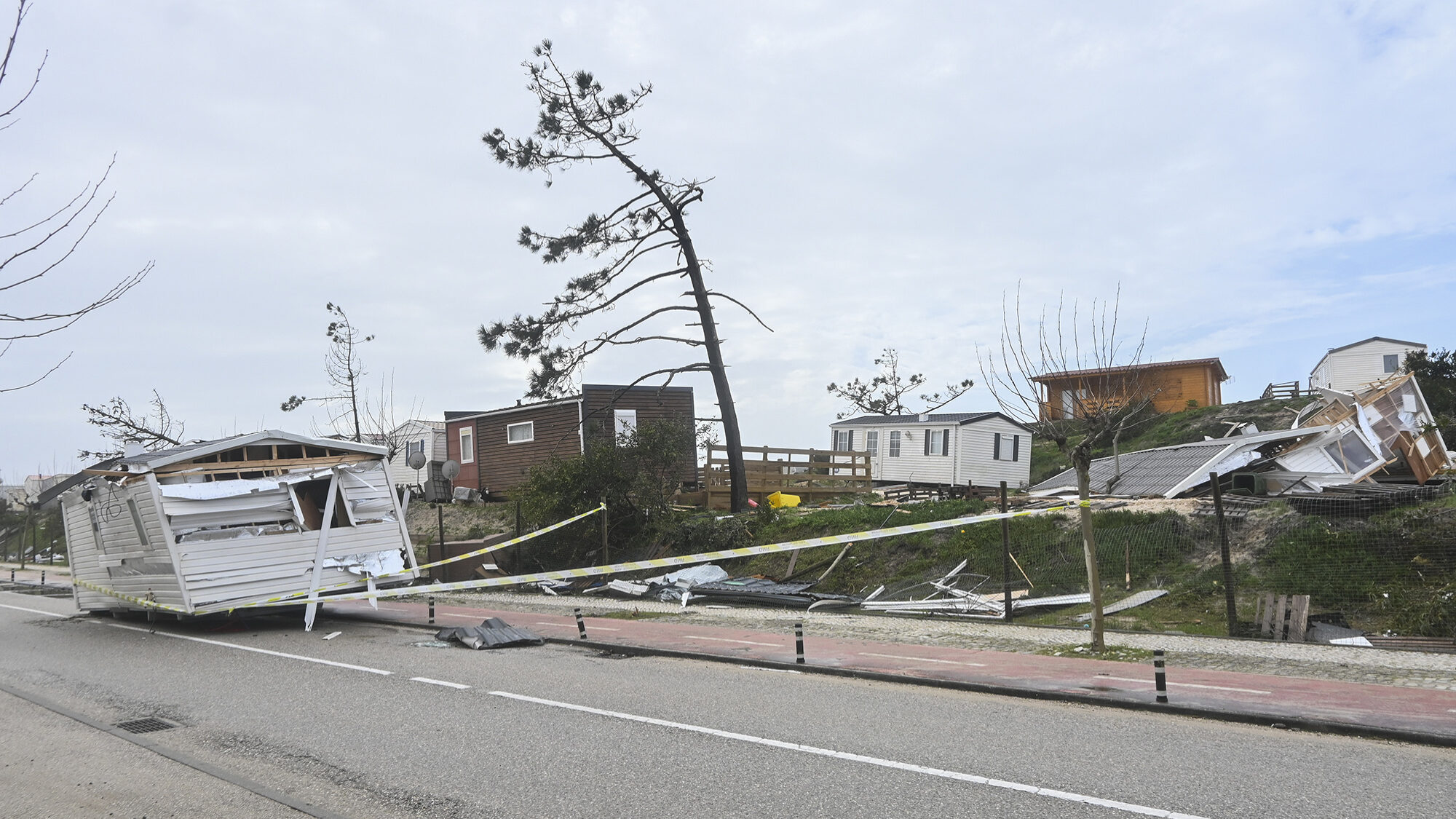
Luís Montenegro has officially presented the PTRR (Portugal, Transformation, Recovery and Resilience), a 22.6 billion euro financial package aimed at national sustainability and disaster preparedness. The plan, managed by an agency under Minister Castro Almeida, includes a 'Protect' pillar with 15 billion euros for infrastructure, such as four new dams, and a 'Respond' pillar that introduces mandatory earthquake insurance for all homes to mitigate risks from natural disasters. The initiative, which runs from 2026 to 2034, was developed following severe weather events and aims to improve collective security and economic resilience.
PTRR: After the storms, comes 22.6 billion euros and mandatory insurance
Tuesday, 28 April 2026RSS
Context & Explainers

- Prime Minister, Portugal: 2024 - Present
- Party: Social Democratic Party (PSD)
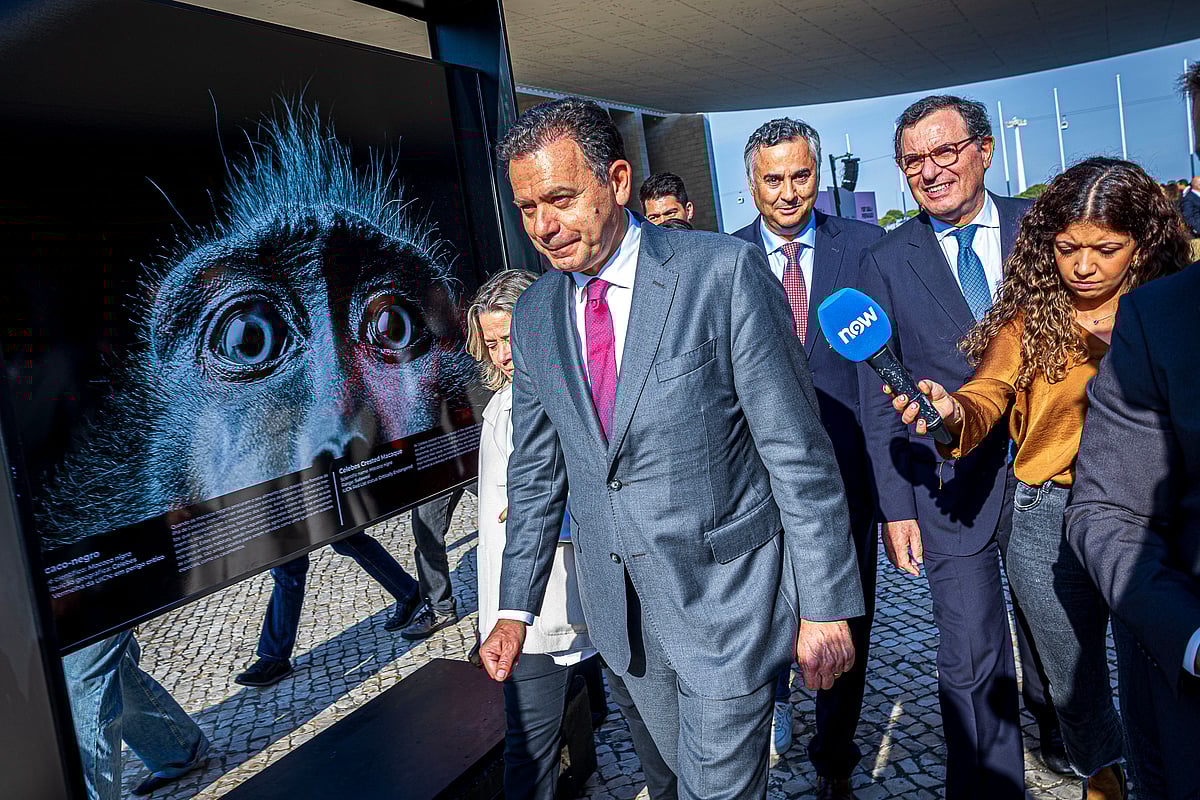
Luís Filipe Montenegro Cardoso de Morais Esteves (born February 16, 1973, in Porto) is a Portuguese lawyer and center‑right politician who has served as Prime Minister of Portugal since April 2, 2024. A long‑time member of the Social Democratic Party (PSD), he is the leading figure of the post‑Troika generation of Portuguese conservatives. Montenegro was elected to the Assembly of the Republic in 2002 for the Aveiro district and remained an MP for 16 years, becoming PSD parliamentary leader from 2011 to 2017 during the bailout and austerity period under Prime Minister Pedro Passos Coelho. He was a prominent defender of strict austerity measures, arguing in 2014 that “the life of the people is no better, but the life of the country is a lot better,” a phrase that has followed his public image since. After an unsuccessful leadership bid against Rui Rio in 2020, Montenegro won the PSD leadership in 2022. He then forged the centre‑right Democratic Alliance (PSD–CDS‑PP and allies), which won a plurality of seats in the 2024 legislative election. Refusing to partner with the far‑right Chega, which he has called “often xenophobic, racist, populist and excessively demagogic,” he formed a minority government as head of the XXIV Constitutional Government on April 2, 2024. His first government fell in March 2025 after a no‑confidence vote linked to a conflict‑of‑interest affair, but fresh elections saw the Democratic Alliance increase its seat share, allowing Montenegro to return as prime minister leading the XXV Constitutional Government. His importance to Portugal lies in attempting to re‑center the traditional centre‑right after the crisis years, defending liberal‑conservative economics and EU alignment while drawing a sharp line against formal cooperation with the radical right, thus shaping how Portuguese democracy manages its new multi‑party era.
The PTRR is Portugal's Transformation, Recovery and Resilience plan, the national programme that channels EU recovery funding (NextGenerationEU) into investments and reforms after the COVID-19 shock. It totals about €16.6 billion in grants plus €2.7 billion in loans (≈€19.3 billion) and runs mainly from 2021–2026, financing projects in green transition, digitalisation and social infrastructure that affect public spending and investment decisions expats may notice in housing, transport and services.

André Ventura, born January 15, 1983, is a lawyer, academic, and Portugal's most prominent far-right leader. He founded Chega ("Enough") in 2019 after his PSD mayoral campaign attacked the Romani community. Chega surged from 1.3% in 2019 to 22.8% in May 2025, becoming parliament's second-largest party and making Ventura Leader of the Opposition.
His platform emphasizes immigration restrictions, law-and-order policies, constitutional reform, and contains inflammatory anti-Romani rhetoric that has triggered multiple discrimination convictions and investigations. Politically classified as far-right by international media, Ventura cultivates alliances with European far-right figures including Marine Le Pen and Santiago Abascal.
AI Summary AvailableGovernment unveils 22.6 billion euro national resilience planRead the synthesized summary with context and explainers
View full article on dn.ptRSS source
Other news coverage of this topic
- Portugal has projects with enough ambition to attract large-scale capital • Link To Leaders
- PTRR forecasts investments of 22.6 billion euros by 2034 • rtp.pt
- "The Portuguese would not forgive us": minister guarantees that the RRP prepares the country for future crises and counts on "ideas from various parties" • cnnportugal.iol.pt
- We hear big numbers, it is over 22 billion euros and more than 90 measures. But they are more ideas than measures • cnnportugal.iol.pt
- Leitão Amaro guarantees that the PTRR brings "ideas from various parties" and extends an "invitation" to the Portuguese people • cnnportugal.iol.pt
- Support after the storm. "There is money, there are plans, but the capacity to execute them is missing" • cnnportugal.iol.pt
- "The country is starting to get tired" and the Prime Minister must be aware "that there is a very high risk of expectation fatigue" • cnnportugal.iol.pt
- Of the €22 billion in the RRP, one third will come from the private sector, but the source is unknown (here is the long list of investments until 2034) • expresso.pt
- PS attacks PTRR: Government "incapable" of execution • observador.pt
- The PRR – Portugal Recovery and Resilience Plan is the plan to respond... • SAPO
- Ventura: RRP is 'marketing' without priorities • observador.pt
- IL, PCP and BE accuse Government of propaganda with PTRR • observador.pt
- PTRR invests 15 billion euros in energy, water, and critical infrastructure • XXV Governo Constitucional
- PTRR to be managed by an agency until 2034 • rtp.pt
- PRR pledges €53 million for electric vehicle emergency network • expresso.pt
- It is not enough to react better, we must prepare in advance • cnnportugal.iol.pt
- Government has 22.6 billion euros to invest over nine years • cnnportugal.iol.pt
- PTRR will have 'fundamentally national' funding but also through European funds • cnnportugal.iol.pt
- We witnessed about an hour of action that could have been mistaken for a Government rally • cnnportugal.iol.pt
- PRR: "What matters is the capacity for execution and the schedule to evaluate it" • cnnportugal.iol.pt
- What this package demonstrates is that there is no lack of money, what is lacking is execution capacity • cnnportugal.iol.pt