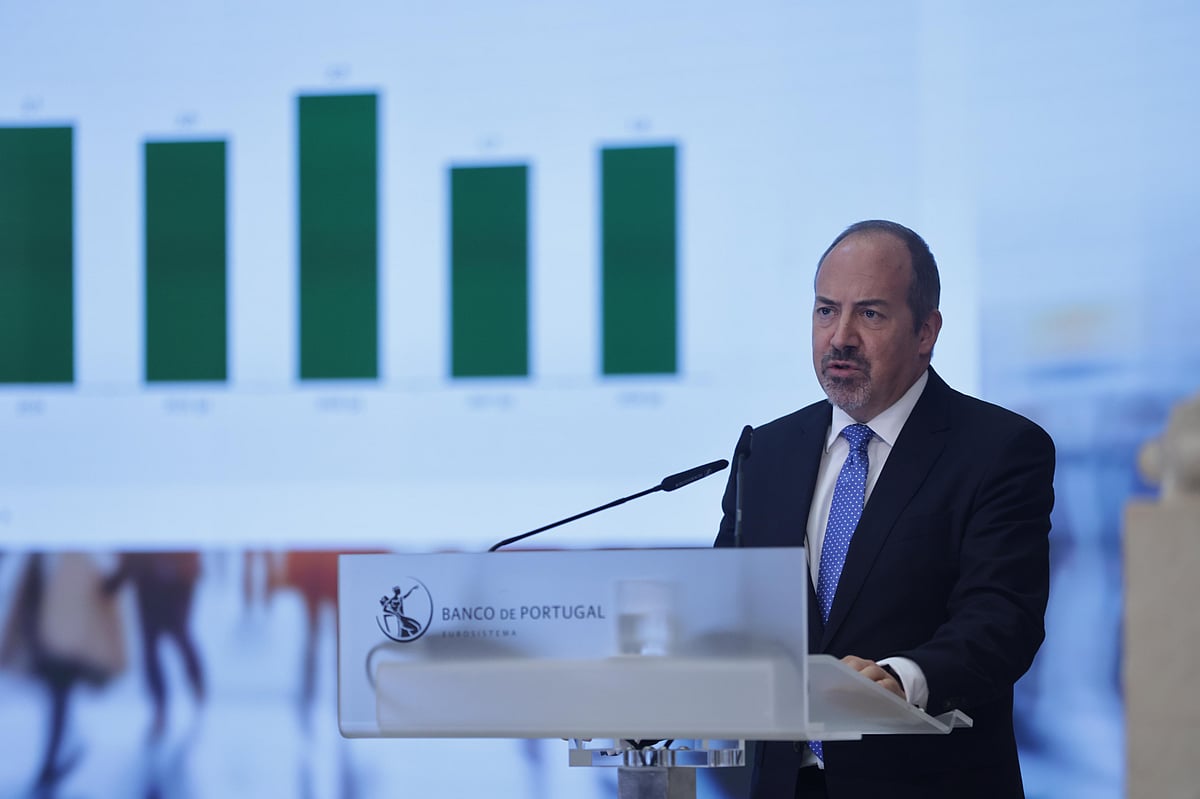
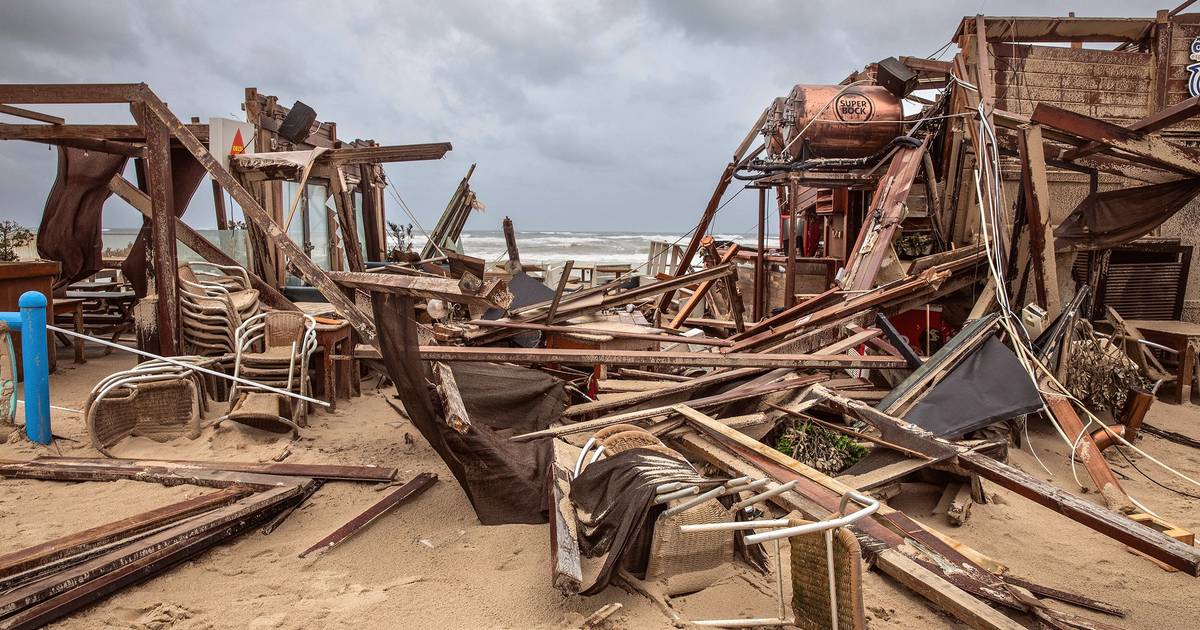
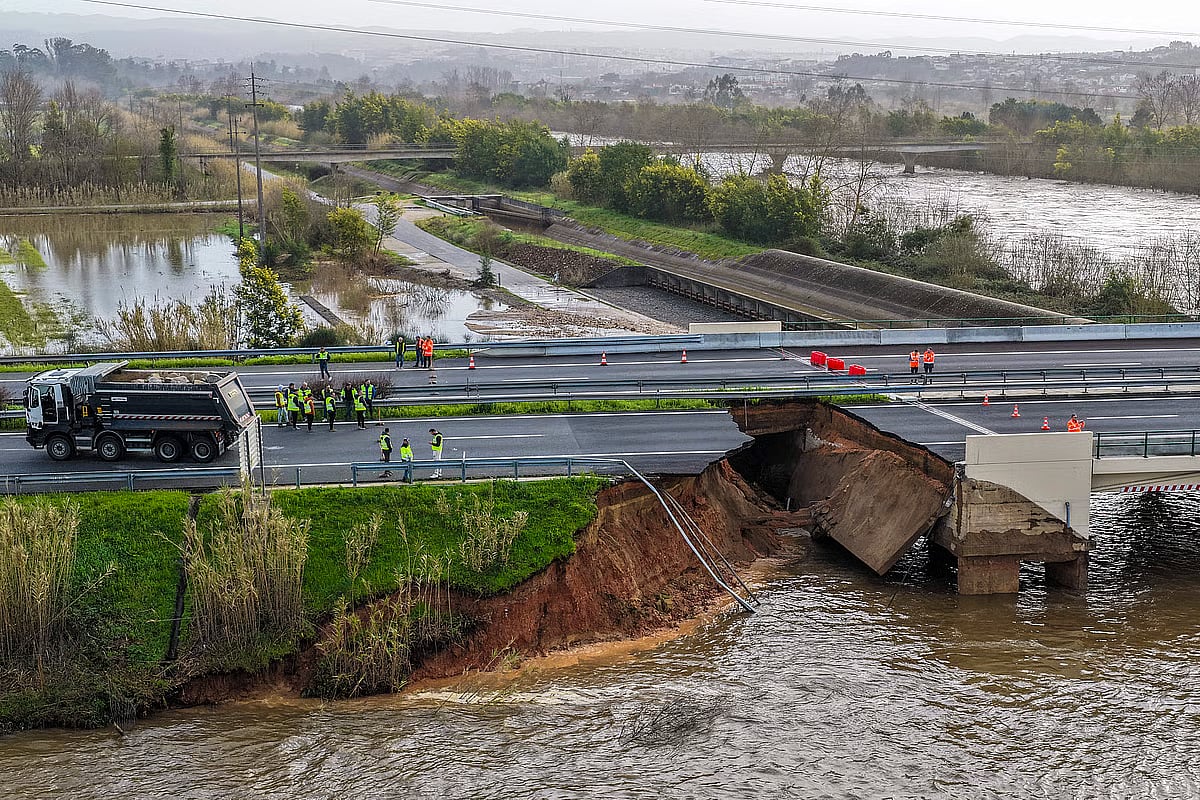
The cost of Portugal's public debt (the interest rate in secondary markets) has remained stable and even slightly decreased since the onset of storms that have hit the country since January 28, despite significant economic and social destruction, particularly in the Central region. However, such events, along with wildfires, are expected to increase the long-term costs associated with debt, especially in more indebted countries like Portugal, complicating public finance management and necessary budget consolidation, warns a study from the European Central Bank (ECB) authored by five economists. The study highlights that climate-related disasters can raise debt costs and that climate change poses risks to public finances through various channels, including increased public spending for adaptation and mitigation measures. The authors also note that the cost of emergency assistance and post-disaster reconstruction can have a direct budgetary impact, while indirect effects may include reduced tax revenue due to production disruptions and additional spending on food and energy support programs due to changes in raw material prices. The study concludes that these mechanisms can interact with sovereign debt dynamics in complex ways, and even advanced economies are not immune to the effects of climate shocks. The report was published on the eve of the Portuguese government's approval of the general lines of the “PTRR - Portugal Transformation, Recovery and Resilience” plan in the Council of Ministers.
New ECB study warns that climate disasters may worsen debt costs
Sunday, 22 February 2026RSS

Context & Explainers
Sustainability (sustentabilidade) means meeting present needs without reducing the ability of future generations to meet theirs, covering environmental, economic and social dimensions. For residents it affects local planning, jobs and services—look for municipal or company targets, timelines and measurable actions when assessing how sustainable a place or employer is.