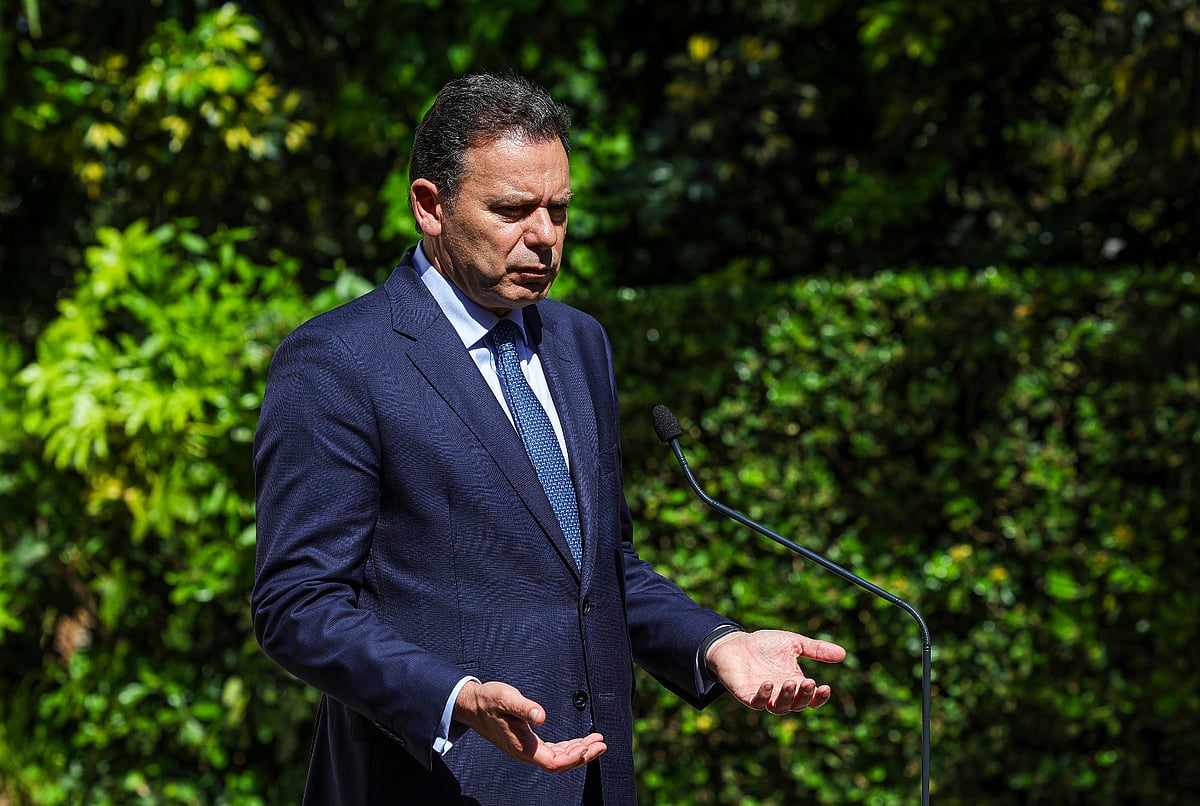
Carneiro reiterated several criticisms of the proposed labour legislation and says he hopes that “the Government will now create the conditions to resume dialogue on terms that the partners are willing to accept.”
Carneiro criticises the Government's "lack of democratic humility"
Tuesday, 10 March 2026RSS

Context & Explainers

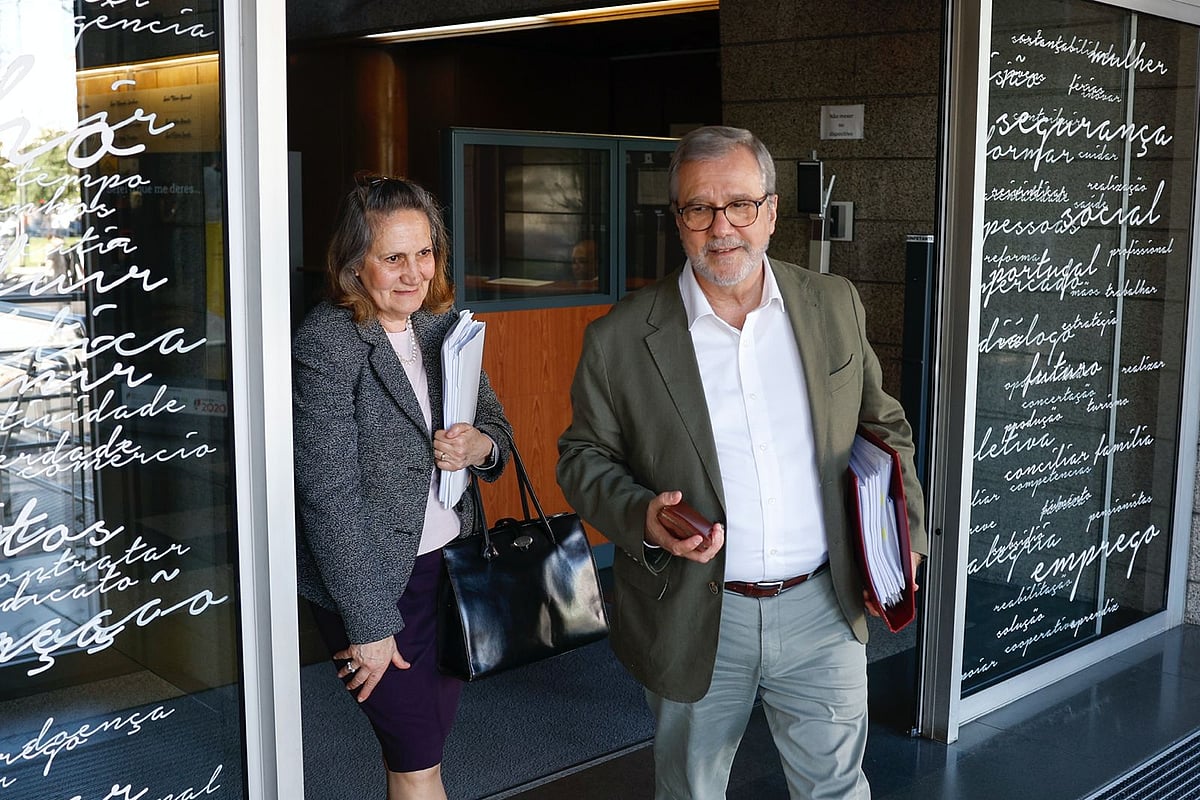
The General Union of Workers (UGT – União Geral de Trabalhadores) is one of Portugal’s two main national trade union confederations. Founded in Lisbon on 28 October 1978, it was created as a social‑democratic alternative to the more communist‑aligned CGTP after the 1974 Revolution, grouping unions close to the Socialist Party and moderate centre‑right currents.
UGT represents around 400,000 workers and is affiliated to the European Trade Union Confederation and International Trade Union Confederation, giving Portuguese labour a voice at EU and global level. Its principles stress union independence from the state, employers, churches and parties, internal democracy and active worker participation.
Historically, UGT’s hallmark has been “propositive” social dialogue: it is usually more willing than CGTP to sign tripartite agreements on wages, labour law and social policy with governments and employers, shaping minimum wage increases, working‑time rules and social protection reforms. This makes UGT a key centrist actor in Portugal’s industrial relations, often mediating between left and right while defending collective bargaining and incremental improvements to labour rights.
CIP is the Confederation of Portuguese Business (Confederação Empresarial de Portugal), the main employers’ association that represents companies and sector groups in Portugal. It lobbies government on economic and labour policy and its statements are watched by investors, employers and workers when debates arise over funding rules and labour reforms.
Socialist Party (PS)
- Leader: José Luís Carneiro (since June 2025)
- Ideology: Center-left, Social democracy, pro-Europeanism
Portugal's other traditional major party suffered a historic collapse in the 2025 election, dropping from 78 to 58 seats and falling to third place for the first time in democratic history. The party was led by Pedro Nuno Santos from January 2024 until his resignation following the May 2025 defeat. José Luís Carneiro, a 53-year-old former Minister of Internal Administration known for his moderate positioning within the party, was elected unopposed as the new Secretary-General with 95% of votes in June 2025. The Socialist Party governed Portugal from 2015 to 2024, including an absolute majority from 2022 to 2024 under António Costa, who resigned in November 2023 amid a corruption investigation. The PS previously led the innovative "Geringonça" (contraption) coalition government from 2015-2019, a minority government supported by the Left Bloc and Portuguese Communist Party that reversed austerity measures and presided over economic recovery.
AI Summary AvailableLabour reform talks collapse without agreement after seven monthsRead the synthesized summary with context and explainers
View full article on observador.ptRSS source
Other news coverage of this topic
- Labour law without agreement. Carneiro accuses Government of lack of democratic humility • RTP Notícias
- José Luís Carneiro criticises the Government's "lack of democratic humility" in social dialogue • Correio da Manhã
- Carneiro criticises the Government's "lack of democratic humility" in social dialogue • Expresso