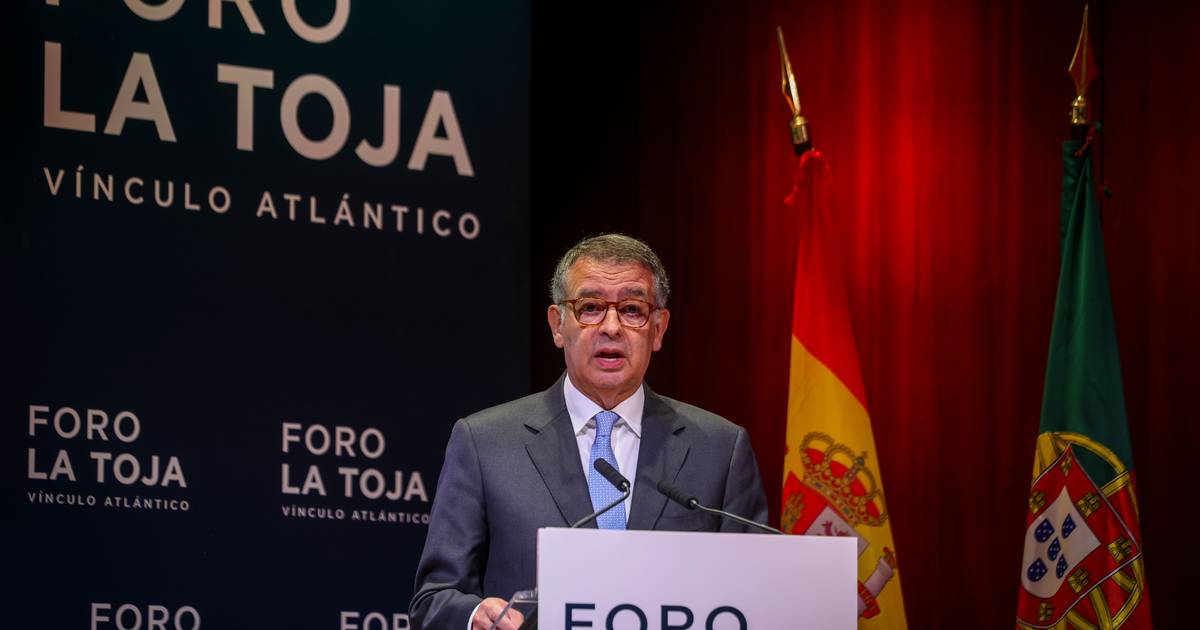
Cotrim de Figueiredo faced a punishing day after he declined to rule out endorsing André Ventura in a potential second round of the presidential election and was further hit by an allegation of harassment that he denies. The refusal to categorically exclude an endorsement has sparked controversy because it complicates his positioning in a fragmented centre-left electorate and risks alienating voters who oppose Ventura’s platform. The harassment claim, regardless of its veracity, intensifies media scrutiny and could distract the campaign at a critical moment. Strategically, Cotrim may be seeking to keep options open for post‑first‑round negotiations, but the short‑term effect is likely to be reputational damage and increased pressure from opponents and allies to clarify his stance.
Cotrim Figueiredo não excluiu apoiar Ventura na segunda volta? O que disse o candidato

Context & Explainers

- 2026 Presidential Candidate
- Party: Liberal Initiative (IL) Iniciativa Liberal
- Businessman from Lisbon
- Economic Liberalism, reduced state intervention, pro-Europe
João Fernando Cotrim de Figueiredo (born June 24, 1961, in Lisbon) is a businessman and liberal politician running for Portugal's presidency in the January 18, 2026 election. He grew up in Lisbon, studied Economics at the London School of Economics and earned an MBA from NOVA University Lisbon. He held executive positions at Compal, Nutricafés, Privado Holding, and TVI, and served as president of Turismo de Portugal (2013-2016), overseeing tourism industry growth during his tenure. He was elected as the Liberal Initiative's first parliamentary deputy in October 2019, led the party (2019-2023) while it grew from 1 to 8 seats with 5% of votes in 2022, and was elected European Parliament member in 2024. He announced his presidential candidacy in August 2025, backed by the Liberal Initiative.
Political Philosophy:
Cotrim de Figueiredo champions liberal economics—tax reduction, labour market liberalization, and welfare reform—alongside cultural and secular liberalism. His campaign emphasizes "Culture, Knowledge and Growth," positioning himself as representing younger voters alienated by traditional candidates, and explicitly states he expects a "second-round" runoff result. He advocates for a future-prepared Portugal distinct from current political offerings.
RSS source
- Cotrim Figueiredo não excluiu apoiar Ventura na segunda volta? O que disse o candidato • expresso.pt